
Reviewed · BREMEN TOURS & ACTIVITIES
Bremen: Kunsthalle Bremen admission ticket
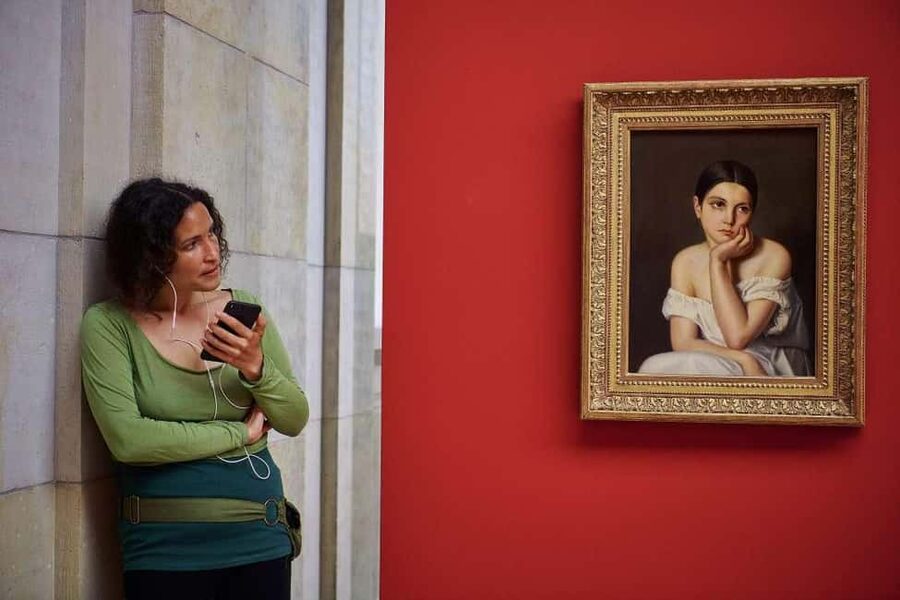
A museum that tells eight centuries in one go. The Kunsthalle Bremen pairs Renaissance to contemporary art under one roof, with themed rooms that tackle issues people still argue about today. I especially like the museum’s big-picture feel, where you can move through art history fast without losing the thread.
What I like even more is how modern work sits right next to the classics. You’ll get hit with Pipilotti Rist’s Pixelwald Wisera, plus media art known for installations by Nam June Paik and others. One consideration: with this much to see, you need a game plan for your day, or you can end up sprinting past sections that deserve time.
In This Review
- Key things to know before you go
- Why Kunsthalle Bremen is such good value
- A practical 1-day plan: how to pace your visit
- Entering the museum: build your art-history timeline fast
- The themed rooms that connect art to real issues
- Pipilotti Rist’s Pixelwald Wisera: start here if you love modern art
- French and German Impressionists: where the museum earns attention
- Worpswede and Paula Modersohn-Becker: regional art with impact
- Expressionism, Max Beckmann, and the move into modernism
- Media art installations: where the Kunsthalle shows real showmanship
- Kupferstichkabinett: the Art Nouveau room for works on paper
- The museum shop and weekend browsing
- Using Artsurfer on-site to get more from what you see
- Ticket highlights you should build your expectations around
- Who this is best for
- Should you book the Kunsthalle Bremen admission ticket?
Key things to know before you go
- 700 years of art history under one roof, so you can build a clear timeline in a single visit
- Pipilotti Rist’s Pixelwald Wisera gives you a strong entry point into contemporary art
- Themed rooms tackle war, nature, colonialism, and globalization, with older art connected to current questions
- Impressionists and early modern masters include major French and German names you’ll recognize
- Kupferstichkabinett is an Art Nouveau style room for works on paper, with over 200,000 items
Why Kunsthalle Bremen is such good value
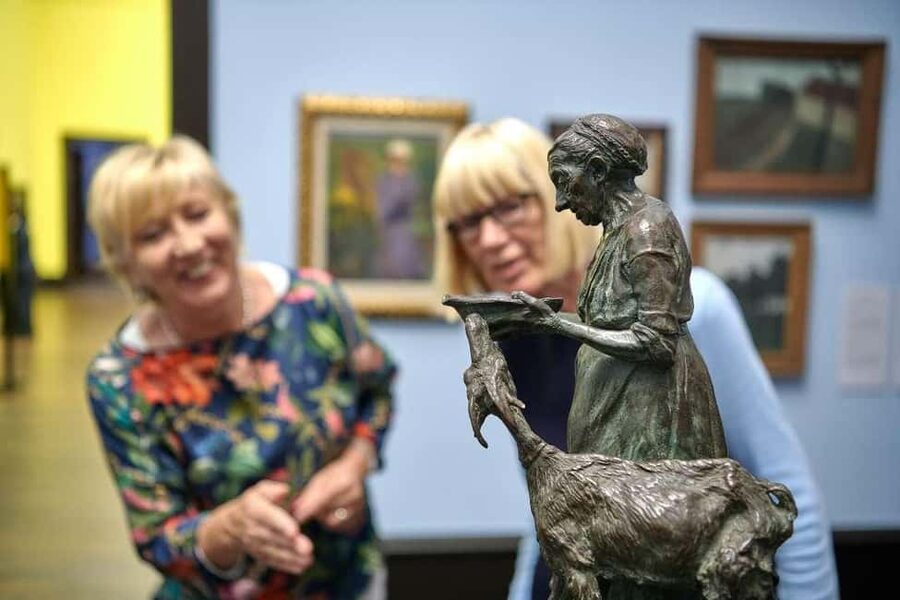
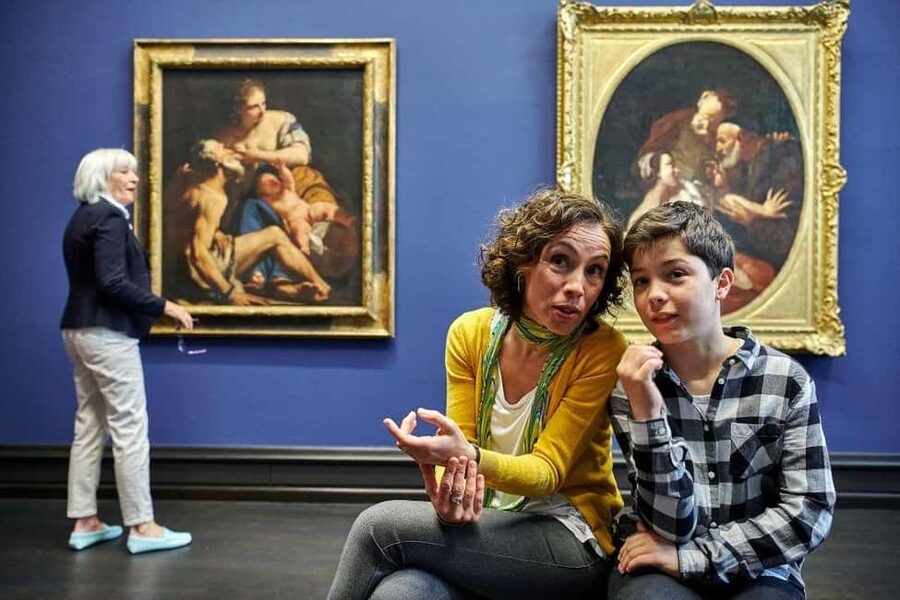
At $14 per person for a full day, Kunsthalle Bremen is a smart use of time in northern Germany. You are not buying a narrow, single-artist experience. You are buying the chance to see art history in layers, from Renaissance painting through Dürer and Dutch Golden Age works, all the way to contemporary media art.
That matters because you can shape the visit around what you personally enjoy. If you love Impressionism, you’ll find a strong focus on French and German painters, including early championing of Manet, Monet, and van Gogh. If you lean toward modern and experimental work, the museum has the installations and media pieces to satisfy that too.
Also holding a platform in Bremen
- Bremen: Walking Tour in German with Night Guard
★ 4.7 · 2,922 reviews - Bremen: City Center Guided Walking Tour
★ 4.5 · 2,709 reviews - Bremen: Underground Guided Tour
★ 4.1 · 1,408 reviews
A practical 1-day plan: how to pace your visit
The ticket is valid for one day, so think in blocks. You do not need to see everything to have a great day. The trick is picking a starting zone and then circling back to the rest based on your energy.
Here’s a pacing approach that works well for most people:
- Start with the big, attention-grabbing galleries and the contemporary landmark works.
- Move into the themed rooms when you want your art to connect with big topics.
- Spend time in the Impressionist and early modern painting areas after that, when your eye is warmed up.
- Finish with media art installations and the Kupferstichkabinett works on paper if you still have steam.
You’ll get the best experience if you let the museum’s structure guide you. The Kunsthalle Bremen is laid out like an argument: older art meets newer art, known artists meet lesser-known voices, and regional art meets international art.
Entering the museum: build your art-history timeline fast
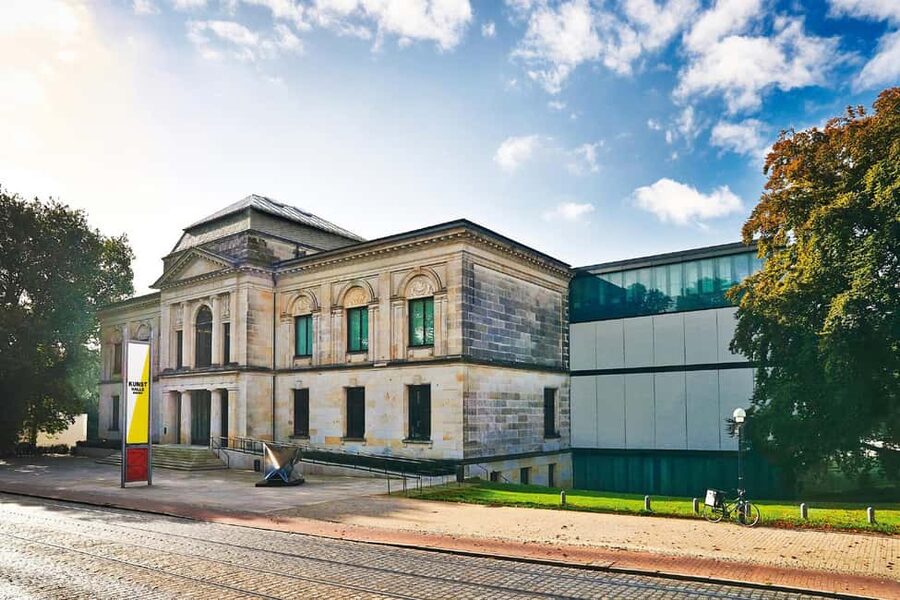
Kunsthalle Bremen was founded in 1823, and that “old institution” feel is part of the charm. But the museum does not trap you in museum dust. Under the title Remix, the idea is that art keeps getting re-mixed across centuries, not frozen in time.
So when you walk in, try not to think of it as separate sections. Instead, treat it like a conversation. You’ll see historical works placed so they can talk to contemporary pieces, which makes the art easier to understand. This is a museum style that helps you avoid the common problem of galleries feeling like disconnected rooms.
Also, the museum is supported by a private sponsorship structure tied to a Kunstverein with deep local roots. That helps explain why this museum has lasted and why it keeps getting developed.
The themed rooms that connect art to real issues

One of the most interesting parts is the way thematic rooms shape your visit. You can move beyond “pretty painting” and into questions that people have wrestled with for a long time: faith, war, nature, world trade, colonialism, and globalization.
Why this helps you: it gives you a frame for looking. When art is grouped around a theme, you stop asking only, What does it look like? and start asking, What is it saying, and why does it matter now?
If you’re the type who likes meaning as much as aesthetics, these rooms are likely to be some of your most memorable stops. If you prefer a lighter visit, you can still use them, just treat them like pauses in your day.
Pipilotti Rist’s Pixelwald Wisera: start here if you love modern art
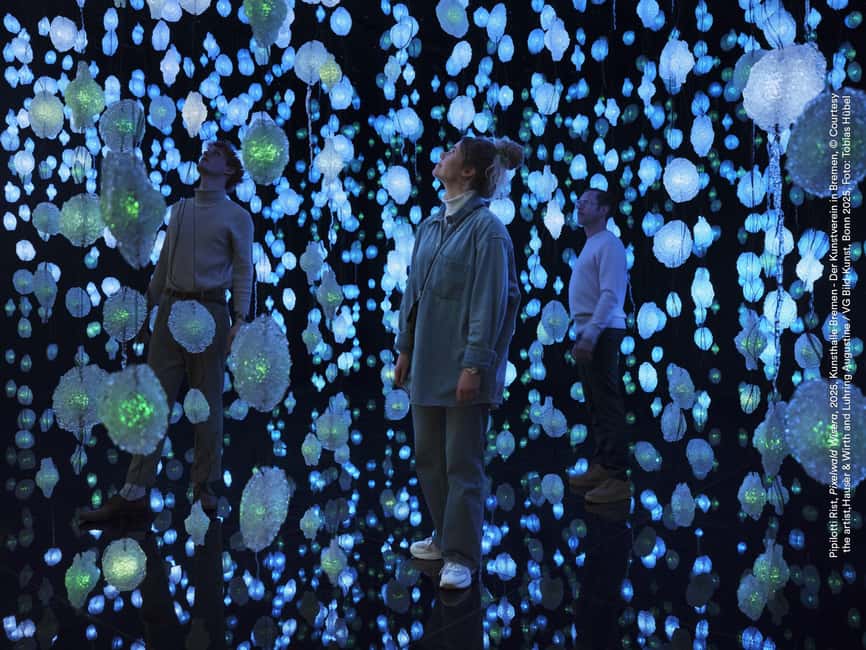
Pipilotti Rist’s Pixelwald Wisera is one of the standout highlights. It’s a pixel forest, and it’s the kind of installation that changes how you see the rest of the museum. It pulls you into contemporary media art, not as an afterthought, but as a key statement.
Even if you don’t know Rist’s work, this is the value of museums like this. You can enjoy the experience on pure visual terms, then step back into historical galleries with fresher eyes. The museum also mixes the familiar with the strange, so this kind of modern entry point works.
Tip for timing: don’t rush through it. Even if you only do one installation slowly, you will feel like you got something special from the day.
Onward connections from Bremen:



French and German Impressionists: where the museum earns attention
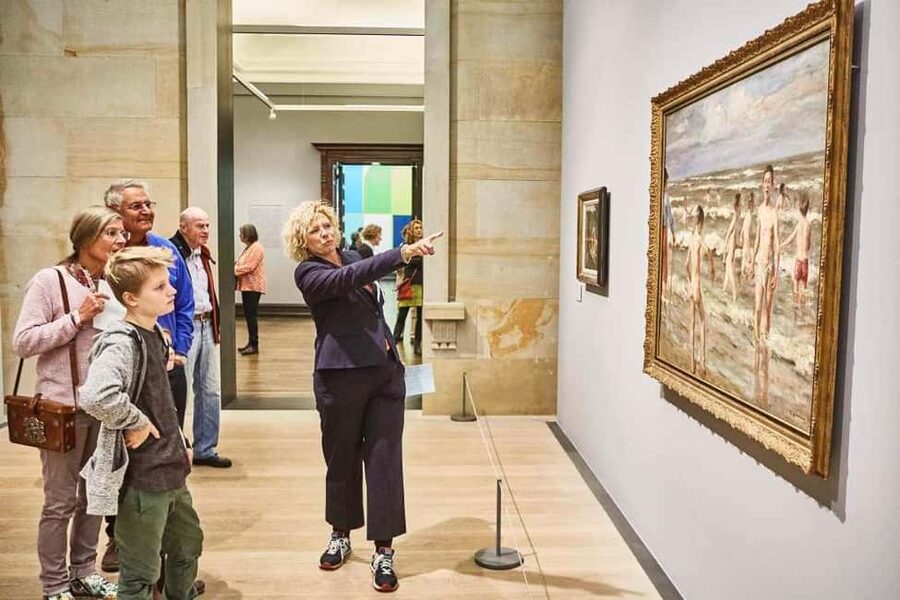
Kunsthalle Bremen puts a special focus on French and German Impressionist painting. Around the early 20th century, the museum was among the first German museums to champion artists like Manet, Monet, and van Gogh, and it acquired many works by Liebermann, Corinth, and Slevogt.
For you, that means the museum is not just showing big names in a decorative way. It’s showing a collector’s point of view, and you can trace how Impressionism was taken seriously in Germany.
Why this is worth your time: Impressionism is often easiest to appreciate when you see it in a strong collection, not just in one or two pieces. Here, you are more likely to catch patterns in style and technique because you see multiple works from this period and its surrounding movements.
Worpswede and Paula Modersohn-Becker: regional art with impact
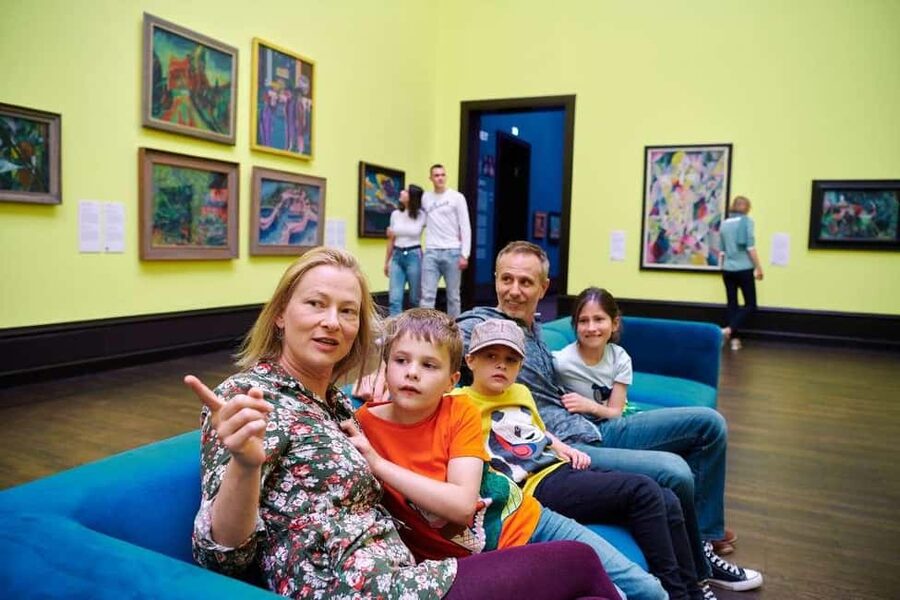
The museum has strong representation from the Worpswede artists’ colony, along with an excellent collection of paintings by Paula Modersohn-Becker. If you think you already know the art story of Germany, these sections can surprise you.
What I like about this kind of regional focus: it adds texture. It reminds you that art history is not only capitals and famous academies. It’s also communities, landscapes, and artists working with a local identity that still mattered internationally.
Expressionism, Max Beckmann, and the move into modernism
As you continue from Impressionism, you’ll reach classic modernism and expressionism, including works by Max Beckmann. This is where the museum’s “Remix” concept pays off again. You can feel the shift from lighter, observational styles to more urgent, psychologically charged approaches.
If you enjoy art that feels direct, this is a good section to spend time in. Don’t just look at the subject. Look for the energy in brushwork, color choices, and how the figures are framed.
Media art installations: where the Kunsthalle shows real showmanship
Media art is a special role here, and you’ll see fascinating installations by John Cage, Nam June Paik, and James Turrell. That combination is telling. The museum isn’t treating modern tech art like a side exhibit. It’s treating it like a core part of the modern story.
For practical enjoyment, I recommend you pick one or two installations to fully experience. If you try to see every single installation quickly, you’ll miss what makes them work: the way light, sound, or time changes your perception.
Also, these works often reward calm attention. Give them a little patience, then head into the next gallery when your eyes have reset.
Kupferstichkabinett: the Art Nouveau room for works on paper
The Kupferstichkabinett, which is the copper engraving cabinet, is described as an atmospheric Art Nouveau room. It’s a great stop if you want a slower, more detailed experience after bigger visual installations.
It houses over 200,000 hand drawings and prints and covers a wide spectrum of art on paper. That includes Dürer watercolors and Baroque drawings, plus substantial holdings by Toulouse-Lautrec and Picasso, computer graphics, and Japanese woodcuts.
Why this is valuable: works on paper can feel more intimate than oil paintings. They also help you understand technique and process. Even if you only look at a handful of pieces closely, you’ll see how artists thought and built images.
If you are short on time, don’t try to look at everything. Focus on one period, then move on.
The museum shop and weekend browsing
A small but genuinely useful detail: the museum shop is open on weekends. If you like to bring home a book, a print, or a focused art guide, you can do it without worrying that you will miss the chance.
In a museum with huge collections and multiple movements, a good takeaway is often what you buy right after you see the art, not weeks later when the details have faded.
Using Artsurfer on-site to get more from what you see
There’s a free tool called Artsurfer that you can use to find out more: www.artsurfer.de. Since you’re spending a full day inside, an on-site guide helps you connect the dots faster.
Here’s how I’d use it practically:
- Before you enter a major section, check what the key works are.
- When something catches your eye, scan for deeper context so you know what you’re looking at.
- If you feel overwhelmed, it can help you choose the next room based on your interests.
This is especially helpful in a museum like this, where art history jumps across centuries. Artsurfer helps you keep your mental timeline from getting messy.
Ticket highlights you should build your expectations around
If you want the “best day” outcome, anchor your visit around a few must-sees:
- Pixelwald Wisera for a contemporary entry point
- The thematic rooms for meaning and modern relevance
- Impressionist sections for a strong, well-supported collection
- Media art installations for hands-on perception
- Kupferstichkabinett for paper-based detail and variety
The museum also offers a varied program of exhibitions, including spectacular and highly acclaimed special exhibitions dedicated to important artists from Impressionism to the latest art production. If you arrive on a day with a special exhibit that matches your interests, it can easily become the highlight of your trip.
Who this is best for
This works well for:
- People who like a structured art history day but still want modern surprises
- Anyone curious about how themes like war and colonialism can be explored through art across centuries
- Travelers who love media art installations and want major-name artists under one roof
- Visitors who enjoy works on paper, not only famous paintings
If you only want one style or only want a relaxed, slow walk with no pressure, you might find the museum’s scale a little intense. In that case, pick fewer zones and go deeper.
Should you book the Kunsthalle Bremen admission ticket?
Yes, you should book it if you want a high-value museum day that feels intellectually alive. At $14, you get access to one of the oldest museum institutions in Europe, plus a deep mix of Impressionism, expressionism, and media art, all with thematic rooms that make the art feel connected to today.
Book it if you like art history that moves instead of sitting still. Skip it only if you strongly prefer guided tours with a fixed route, because this is best used as a self-directed, choose-your-own-adventure day inside a carefully organized collection.
If your visit to Bremen is short and you want one cultural stop that pays off in variety, this ticket is an easy yes.
Fresh on the arrivals board for Bremen



Bremen Tours & Activities, compared.




Browse the lists this tour appears in