
Reviewed · EAGLE'S NEST & BERCHTESGADEN TOURS
Berchtesgaden: Via Ferrata Beginner Tour of Schützensteig
Two hours up, and you feel the rock.
This Schützensteig beginner via ferrata turns a first climb into a real alpine skill session, with mountain-guide coaching and sweeping views over Berchtesgadener Land. I like that you learn the system, not just the route, and I also like how the setting does half the job for you. One consideration: even on the beginner option (A/B to B depending on level), there can be exposed moves, so it is not the right pick if you are very anxious about heights.
You spend about 4 hours on the mountain, learning how to clip in, manage the line safely, and take short “reset” moments while you’re up there. The guides vary, but the vibe stays consistent, calm instructions, and real encouragement. In past groups, guides like Lukas and Christoph (working in German and English) and Helmut, plus Willi, were praised for clear explanations and friendly, people-first coaching.
If you bring the right attitude, you leave feeling capable. If you show up cold, underdressed, or with no plan for comfort, the mountain will remind you quickly.
In This Review
- Key things to know before you go
- Schützensteig in Berchtesgaden: why this beginner route works
- What you learn up close: belaying, climbing, and resting
- The gear setup: what’s included and what actually matters
- Your 4-hour rhythm on the mountain route
- Views over Berchtesgadener Land, and the height factor
- Guide quality: small-group coaching and real encouragement
- Price and value: what you pay for and what you do not
- Who this is best for, and who should skip it
- Practical tips for your smooth day
- Should you book the Schützensteig beginner via ferrata tour?
- FAQ
- How long is the via ferrata beginner tour on Schützensteig?
- How much does the tour cost?
- What’s included in the tour price?
- What should I bring with me?
- Is food and drinks included?
- Are cable car tickets included?
- What languages are the instructors available in?
- Is the tour suitable for children or people afraid of heights?
Key things to know before you go
- Beginner-friendly, but not toy climbing: rated A/B to B depending on your experience and how you handle it
- Safety skills you can use again: belaying, climbing technique, and how to rest on the route
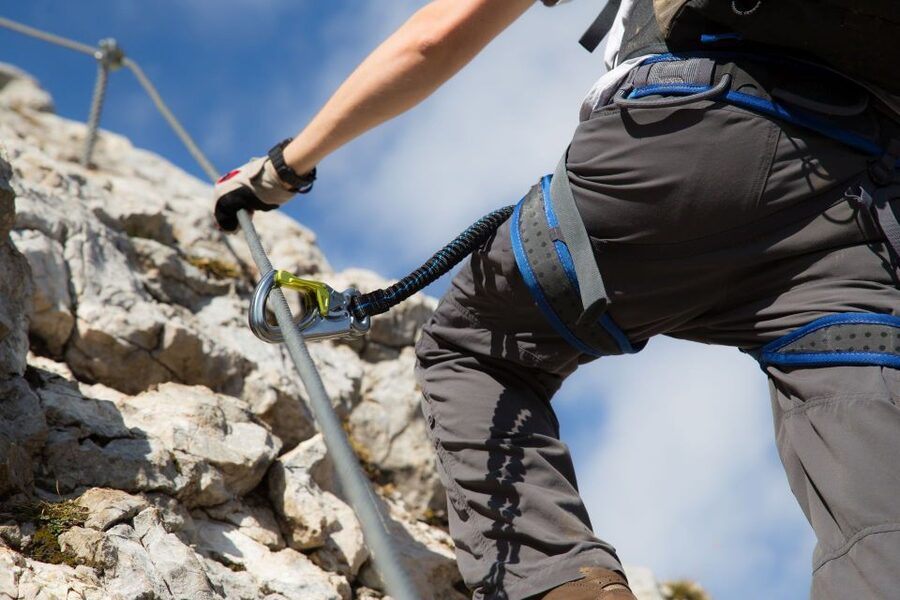
- Gear is covered: harness, helmet, gloves, and via ferrata kit are included
- Guides keep it personal: small groups show up in reviews, with time for questions and encouragement
- Views feel earned: you climb high enough to see the Berchtesgaden region from above
- Height anxiety is the main deal-breaker: it is labeled not suitable for people afraid of heights
Schützensteig in Berchtesgaden: why this beginner route works
Berchtesgaden sits in Bavaria at the edge of a classic alpine world. During this tour, you get a rare combo: you are learning a hands-on climbing skill, and you are doing it with scenery that makes you look up even when you think you should focus only on your feet.
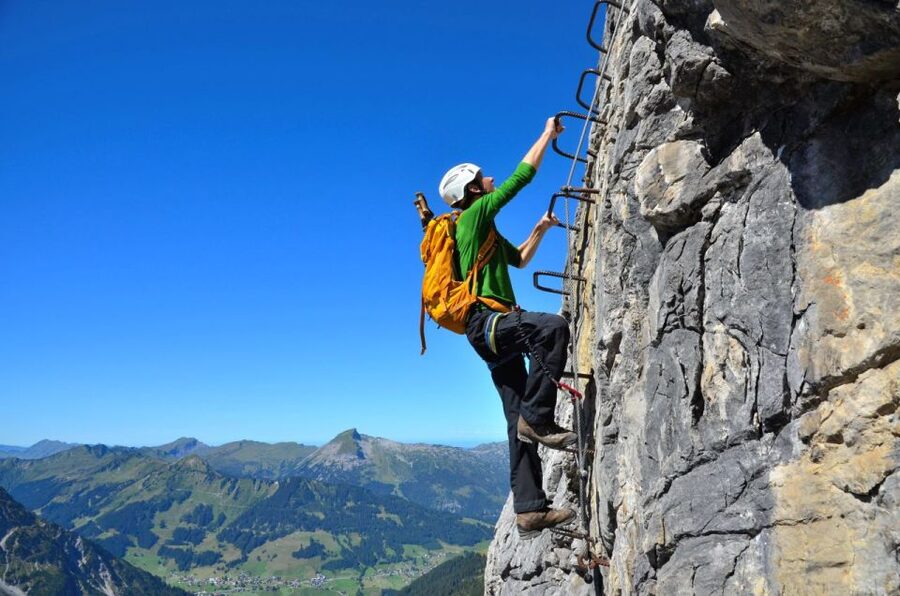
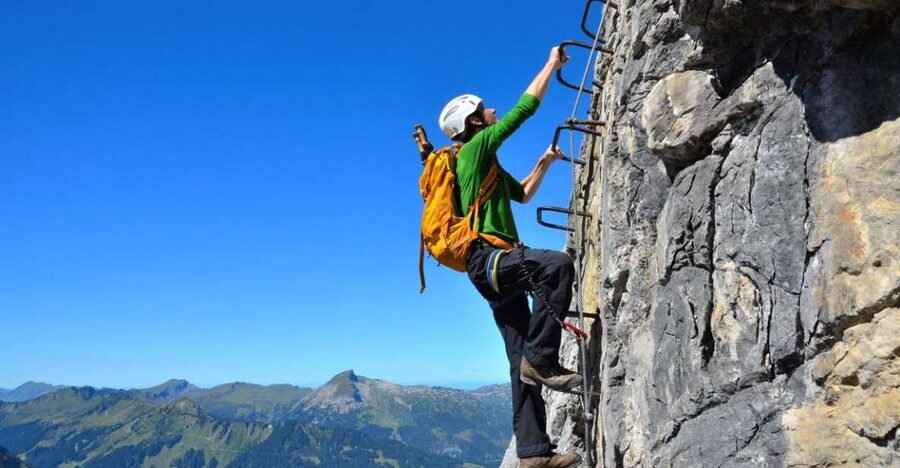
The Schützensteig track is designed to be accessible for first-timers, but it still feels like “real” via ferrata. You do not just wander along a scenic path. You climb on fixed cables and metal features, and you learn the rhythm of moving, stopping, and resetting with your guide right there.
That matters because via ferrata is less about athletic showmanship and more about communication with the system. When it clicks, it feels surprisingly doable. When it does not, it feels stressful fast. This route is a good training ground for that click.
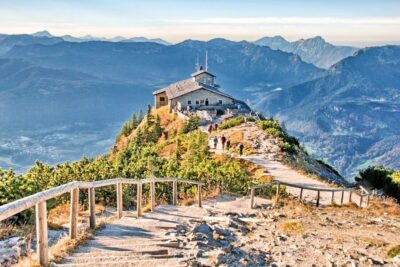
And the payoff is visible. You get that high vantage over rolling green areas, hills, and the broader mountain backdrop, with lakes and snow-capped peaks in the mix when conditions allow.
More alpine roads above Berchtesgaden:
- Eagle’s Nest and Berchtesgaden Tour from Salzburg
★ 4.6 · 1,455 reviews - Berchtesgaden and Eagle’s Nest Day Tour from Munich
★ 4.0 · 1,077 reviews - Berchtesgaden and Eagle’s Nest Day Trip from Munich
★ 4.5 · 797 reviews
What you learn up close: belaying, climbing, and resting
The core of the experience is instruction. You will learn the basics of via ferrata from a professional mountain guide, with an emphasis on how the gear works and what you do with it.
Here is what that typically means on this kind of beginner session, and what you should expect to practice during the climb:
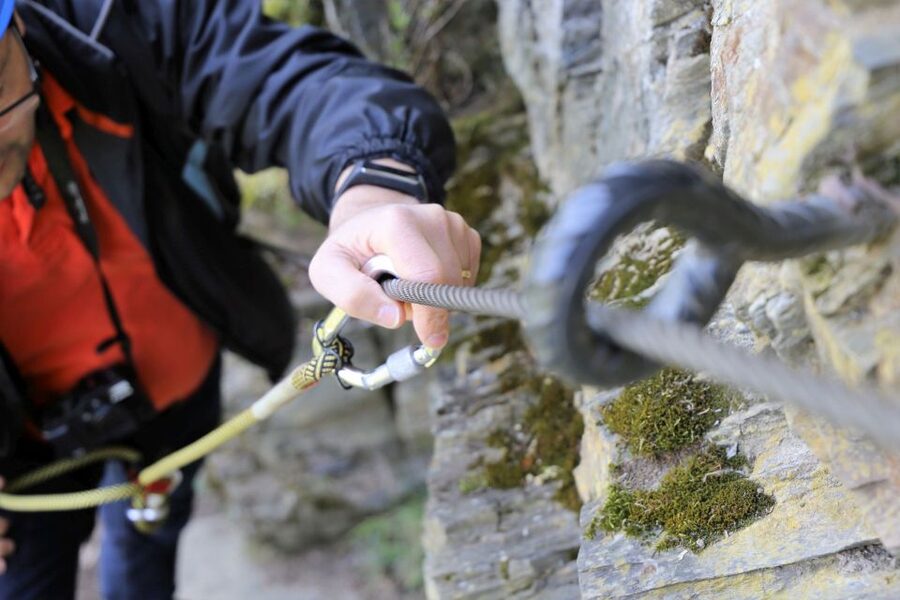
First, you learn belaying basics, meaning how you and your guide coordinate using the via ferrata kit. You will get taught how to handle the system step by step. This is where beginners feel the most uncertain, and it is also where a good guide earns their pay.
Second, you learn the actual climbing motion. Via ferrata uses fixed elements, but you still need basic body positioning. Expect coaching on how to move with control, how to place hands and feet on the metal features, and how to avoid rushing.
Third, you learn the “pause” skill, how to rest safely without losing your focus. That sounds simple, but it is one of the best tricks for nervous first-timers. You are not supposed to treat the wall like a one-shot sprint. You take short breaks, breathe, check your position, and continue.
Reviews underline this teaching approach. People appreciated guides who were willing to translate and re-explain, including when someone was nervous at the start. One key theme in the feedback was that you should not feel pressure from the group. If you need to slow down or say you are not sure, the guide should help you work through it, not steamroll you forward.
The gear setup: what’s included and what actually matters
The good news is that you do not have to chase equipment. The tour includes a via ferrata kit, helmet, gloves, and harness, plus the mountain guide and the course itself.
That coverage is a big part of the value, because via ferrata gear is specific. A normal harness or random gloves is not the point. You want the right fit and the right setup so you can focus on technique.
Still, you control your comfort. Bring:
- food and drinks (not included)
- hiking shoes with grip
- weather-appropriate clothing
Two practical notes from my “gear common sense” brain:
1) Shoes matter more than you think. You will want stable soles for metal rungs and rock edges.
2) Weather changes fast in the Alps. Even if it is sunny at the parking lot, you can feel colder higher up. Layering is your friend.
You are not allowed alcohol or drugs. Keep it simple, fuel up, and stay present.
Your 4-hour rhythm on the mountain route
This is a half-day style adventure at about 4 hours total. The exact pacing depends on your group and comfort level, but the flow usually follows a clear pattern.
1) Meeting and prep
You meet your guide at the beginning of the tour. You will handle the initial briefing and gear check. This is where you want to ask questions. If you are unsure about clips, stance, or what “resting” means, ask early, not halfway up.
2) Basics practice on the easier sections
Before you commit to more exposed climbing, the guide typically helps you get the feel for moving with the kit. This is where you learn how your hands should work and how to keep your attention on safety basics.
3) The main climb on Schützensteig
Once you’re comfortable, you climb the track proper. This is the moment you feel the rock texture with your fingers and notice how technique beats strength. Reviews mention that even beginner-suitable routes can include bits that feel more challenging. That is normal. The guide helps you through it.
4) Views and controlled pace
As you climb, you get the big scenery payoff, and you also get opportunities to pause. Those pauses are part of the learning. They keep you calm and help you avoid the common beginner mistake of getting mentally behind.
5) Finish and wrap-up
You come down and close out with final guidance. If you want to keep improving, this is the moment to ask what to work on next time, like pacing, resting strategy, or foot placement.
Views over Berchtesgadener Land, and the height factor
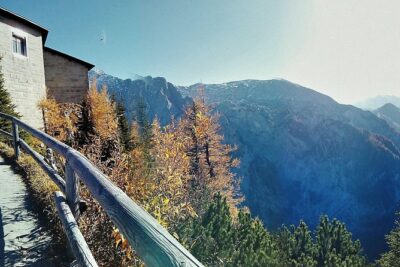
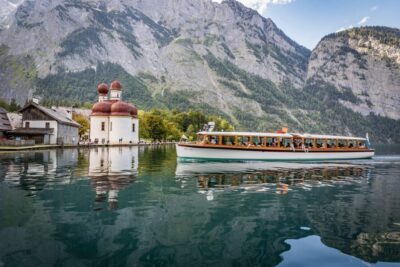
The selling point here is clear: you go up high enough to see Berchtesgadener Land from above. You also get surrounded-by-mountains energy. Rolling green hills below, blue lakes in the broader area, and snow-capped peaks depending on conditions.
But the other truth is just as clear. Via ferrata is exposed climbing by design. This tour is not suitable for people afraid of heights. If you know you panic with open drops, this is a hard pass.
If you are more in the “mildly nervous but not panicking” range, the guide coaching helps a lot. One review described how the early part felt like it took a bit of courage, then the conversation and reassurance made a big difference. That lines up with what you should expect: the first minutes are mental, and the guide can help you build confidence fast.
Onward connections from Berchtesgaden:
Guide quality: small-group coaching and real encouragement
This tour’s biggest strength shows up again and again in feedback: the guides teach with clarity and kindness, and they actively reduce stress.
Some specifics you can look for in a great via ferrata guide:
- you get clear instructions you can actually follow
- you can say you are struggling without feeling judged
- the guide keeps you moving safely, not just moving fast
- explanations can switch between German and English when needed
The reviews mention guides such as Helmut, Lukas, Christoph, and Willi. They were praised for friendly teaching, humor, and empathy. One highlight was the reassurance that you do not have to follow group pressure if you are not confident yet.
Also, group size matters. One review noted a small group of 5 participants, which led to more personal attention. Even if your group size varies, the course design and the guide focus should mean you are not shouting over chaos. If you prefer coaching and reassurance, this format tends to fit.
Price and value: what you pay for and what you do not
At about $104 per person for a 4-hour experience, you are paying for more than a climb.
You are paying for:
- a professional mountain guide
- the via ferrata course itself
- the full gear kit (harness, helmet, gloves, via ferrata kit)
That is why this can feel like good value compared to DIY attempts. You are not just renting gear. You are learning the safe use of it, with someone experienced next to you.
What you still need to budget:
- food and drinks
- cable car tickets (if you plan to use them for getting around, they are not included)
If you are deciding between a basic guided hike and this climbing-style intro, ask yourself what you want. If you want a skill you can use again and a mountain view that feels earned, this is worth it. If you only want scenery and zero commitment, a hiking alternative may be more relaxing.
Who this is best for, and who should skip it
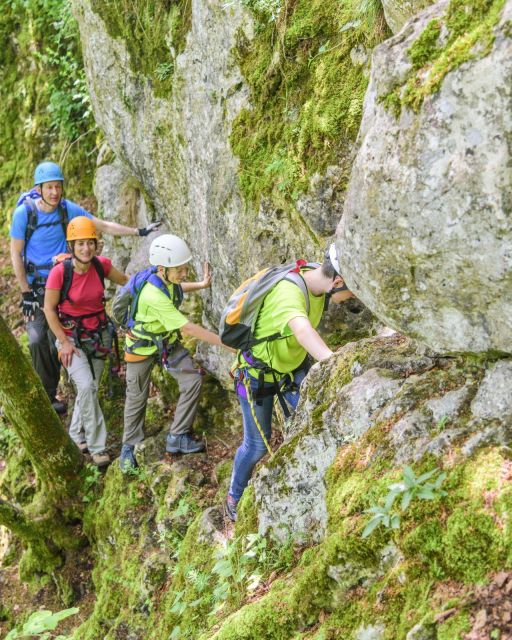
This beginner via ferrata tour fits best if you:
- want to try via ferrata with real instruction
- have basic mountain hiking experience or a good comfort level on trails
- can handle some exposed climbing (because it is rated A/B to B)
- prefer guidance and encouragement over solo experimenting
It is not suitable for:
- children under 10
- people afraid of heights
And if you have a heart set on trying anyway, be honest with yourself. The safest decision is the right one. Via ferrata has built-in structure, but it is still height and movement on fixed lines.
Practical tips for your smooth day
A few small choices can make this tour feel fun instead of stressful.
Bring fuel. Since food and drinks are not included, you should come with snacks and water you actually like. You climb for hours, and nervousness can make you forget to eat.
Wear the right shoes. Hiking shoes are specifically recommended. If your shoes are more fashion than traction, switch them.
Dress for shifting mountain weather. The tour is outdoors, and you will feel wind and temperature changes higher up.
Go in with a calm mindset. The route includes moments that can feel more challenging. That does not mean you are failing. It means you are learning. The guide should help you slow down and manage your pace.
Finally, keep it clean. Alcohol and drugs are not allowed. You will enjoy the route more when your head stays clear.
Should you book the Schützensteig beginner via ferrata tour?
If you want an active alpine day where you learn real safety basics and come away feeling capable, I think you should book this. The included gear and guide-led instruction are a strong foundation, and the beginner-friendly nature of Schützensteig (A/B to B depending on level) makes it a credible first step.
Skip it only if heights are a no-go for you, or if you want a purely relaxed walk. This is built for climbing practice, and your body will know it afterward. The good part is that the coaching is designed to keep you comfortable and confident, with guides known for clear guidance and friendly encouragement like Lukas, Christoph, Helmut, and Willi.
FAQ
How long is the via ferrata beginner tour on Schützensteig?
The duration is 4 hours.
How much does the tour cost?
The price is $104 per person.
What’s included in the tour price?
The tour includes the via ferrata kit, helmet, gloves, harness, a mountain guide, and the via ferrata course.
What should I bring with me?
Bring food and drinks, hiking shoes, and weather-appropriate clothing.
Is food and drinks included?
No, food and drinks are not included.
Are cable car tickets included?
No, cable car tickets are not included.
What languages are the instructors available in?
The instructor is available in German and English.
Is the tour suitable for children or people afraid of heights?
It is not suitable for children under 10, and it is also not suitable for people afraid of heights.
Fresh on the arrivals board for Berchtesgaden


Eagle's Nest & Berchtesgaden Tours, compared.
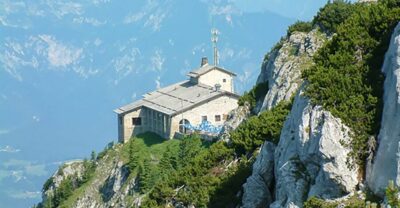
Eagle’s Nest and Berchtesgaden Tour from Salzburg
Read our review →
Berchtesgaden and Eagle’s Nest Day Tour from Munich
Read our review →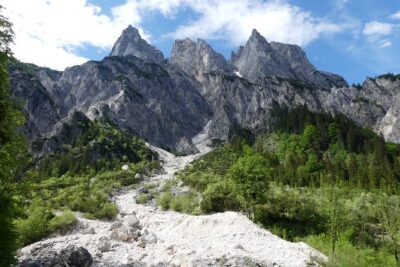
Berchtesgaden and Eagle’s Nest Day Trip from Munich
Read our review →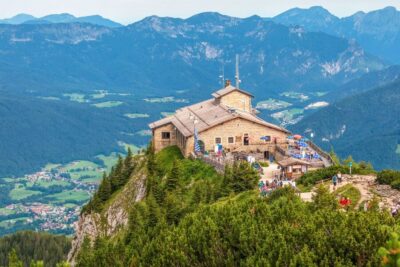
Browse the lists this tour appears in