
Reviewed · BAMBERG TOURS & ACTIVITIES
Bamberg: Guided tour in english
Bamberg feels like a living puzzle. This English guided walking tour helps you make sense of the UNESCO-listed old town, spread across three distinct areas, and tells you what to notice as you stroll. You also get the practical bonus of a wheelchair-accessible route, so the city’s layout becomes easier to experience, not just admire.
I especially like how the guide turns the streets into a story, with plenty of context about how Bamberg grew from an early medieval core. I also like that the focus is on seeing the city’s outstanding buildings from the outside, which is efficient and ideal for a first visit. One thing to keep in mind: in at least one case, hearing the guide was harder at times, so pay attention early, especially if the group is moving and sound carries poorly.
In This Review
- Key takeaways before you go
- Why Bamberg’s UNESCO layout fits a guided stroll so well
- What the 2-hour English walk covers, stop by stop in spirit
- District hopping: mountain town, island town, gardener’s town
- Mountain town: the feel of height and structure
- Island town: the city shaped by water logic
- Gardener’s town: a different rhythm and purpose
- Outstanding buildings, outside only, and why that’s a strength
- Price check: getting real value at about $14 per person
- Who this Bamberg Tourismus tour is best for
- FAQ
- What language is the tour in?
- How long is the Bamberg guided tour?
- What does the tour cost?
- Where do I meet the guide?
- When is the tour available?
- Is the tour only outside views?
- Is it wheelchair accessible and can I cancel?
- My take: should you book this Bamberg English walking tour?
Key takeaways before you go
- UNESCO World Heritage setting: Bamberg’s old town was listed in 1993 and is laid out in three districts.
- Three-district perspective: mountain town, island town, and gardener’s town each come with a different vibe.
- English-only live guide: you’re not left reading signs, you’re listening to explanations on the move.
- Outside-only building views: perfect for seeing architecture without adding museum time.
- 2 hours on foot: enough time for orientation, not so long you lose the group rhythm.
- Seasonal run: the tour operates June to August only.
Why Bamberg’s UNESCO layout fits a guided stroll so well
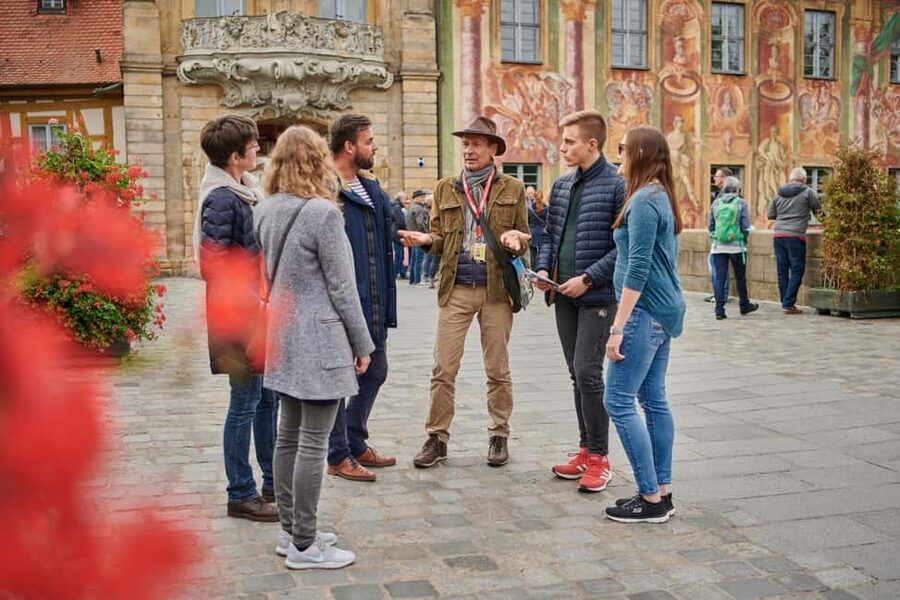
Bamberg’s old town isn’t just pretty. It’s structured in a way that makes walking meaningful. UNESCO describes Bamberg as a Central European city that developed from an early medieval basic layout, and you can feel that logic when you move between neighborhoods. That’s exactly what makes a guided walk such a smart format here. Instead of bouncing between “interesting spots,” you start seeing the city as a system.
What I like is the way this tour points you toward the differences between Bamberg’s three districts. The mountain town, the island town, and the gardener’s town all preserve their own character across centuries. In plain terms, you’re not getting one generic city tour. You’re getting a quick lesson in how a city can keep multiple “chapters” of its past alive at the same time.
And because it’s a guided experience in English, you get help reading what you see. Architecture can be confusing when you don’t know what mattered historically. With a live guide, you’re not guessing why a street feels a certain way, or why the urban form changes as you cross from one area to another.
You do need realistic expectations, though. This is a walk focused on the outside of buildings. If you’re the type who wants interior visits and ticketed museum stops, this might feel a bit more observational than you want.
Also holding a platform in Bamberg
- Bamberg: Guided Walking Tour
★ 4.6 · 3,202 reviews - Bamberg: Guided Beer History Tour with Optional Tasting
★ 4.6 · 772 reviews - Bamberg: City Highlights Walking Tour
★ 4.6 · 679 reviews
What the 2-hour English walk covers, stop by stop in spirit
This tour is built around an enjoyable stroll through the historic core. The timing matters: at 2 hours, you get enough time to get oriented, but not so much that you’re stuck dragging yourself through the same streets twice. That makes it a strong “day one” or “first time in Bamberg” choice.
You’ll start at Bamberg Tourismus, Tourist Information, which is a good anchor point. From there, the route is designed to bring you closer to the city’s magic by connecting what you see with the stories behind it. The guide is there to help you notice details you might otherwise miss, especially the way Bamberg’s neighborhoods developed differently while still sharing a common early medieval foundation.
You can expect the walk to cover:
- The shifts in urban character as you move across the UNESCO districts
- Key sightlines and historic streets that help you understand how Bamberg is organized
- A selection of outstanding buildings seen from the outside, explained in context
Because the tour doesn’t promise entrances and interiors, it stays light on logistical friction. You can keep your energy for walking, photos, and listening. If you prefer a tour that helps you “get your bearings fast” and then lets you explore on your own afterward, this format fits nicely.
A practical note: because it’s a walking tour, plan for comfort. Wear shoes you can stand and move in for the full 2 hours. Bamberg’s charm is in its streets, and you’ll enjoy the experience more if your feet are happy.
District hopping: mountain town, island town, gardener’s town
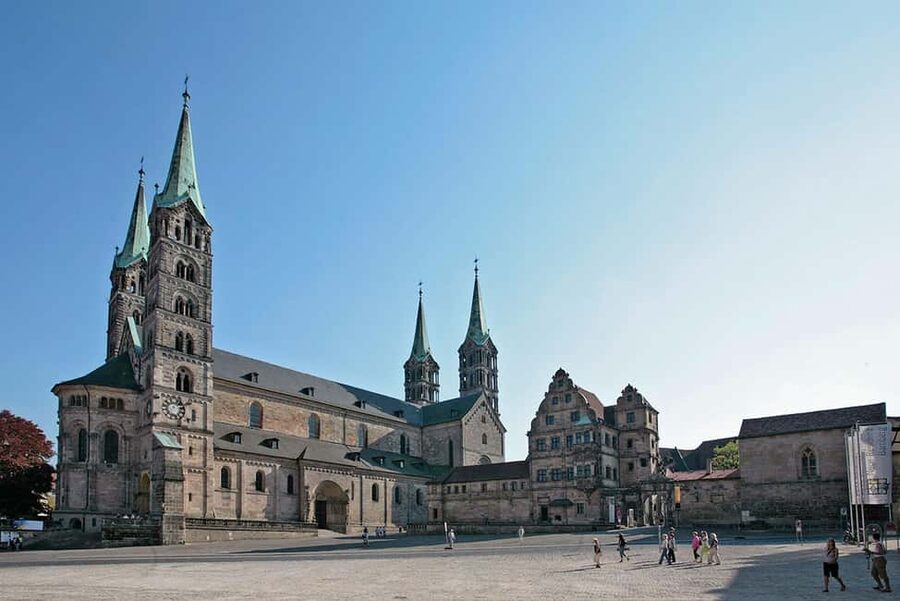
The heart of this tour is the UNESCO concept that Bamberg’s World Heritage area is spread across three districts, each with preserved historical urban structures. Think of it like Bamberg has three neighborhood “faces,” and the walk helps you clock what makes each one distinct.
Mountain town: the feel of height and structure
The mountain town is exactly what the name suggests, a district shaped by terrain. Even if you are not studying topography, you can usually sense the way streets and buildings respond to slopes. On a guided walk, that’s where the explanations matter. You learn what the layout implies and how the city’s early structure helped create that urban character.
Island town: the city shaped by water logic
The island town is where you tend to feel Bamberg’s relationship with its waterways. Bridges, street alignments, and the “logic” of connections can make more sense when someone gives you historical framing. This is a district where a guide can help you connect geography to development, rather than just pointing and moving on.
Onward connections from Bamberg:



Gardener’s town: a different rhythm and purpose
The gardener’s town adds variety, because it reflects a preserved urban structure that historically differed from the other two areas. The guide’s job here is to help you read the neighborhood as more than scenery. You learn that Bamberg’s UNESCO value is not only in grand architecture, but also in the way everyday spaces and historic planning patterns have survived.
What you’ll get from this district approach is confidence. After the tour, you’re less likely to wander in circles because you understand how Bamberg is layered. And if you like to return later on your own, these three districts give you a clear way to structure a second walk.
Outstanding buildings, outside only, and why that’s a strength
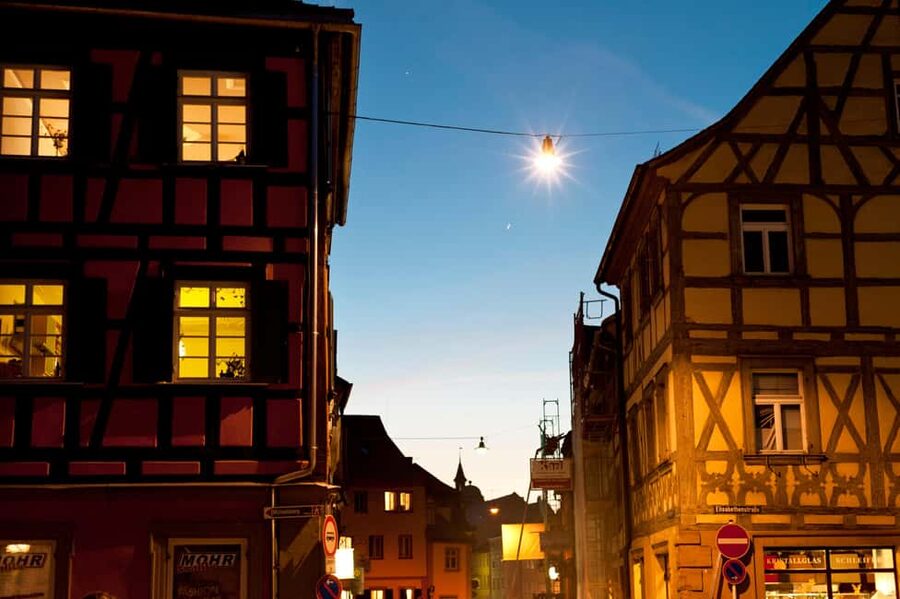
This tour includes architecture, but with an important limit: the buildings are viewed from the outside only. That’s not a downside if you want value and time efficiency. In a 2-hour format, outside views let you cover more ground and understand the city’s overall design rather than spending time in a single site.
For me, the outside-only approach is ideal because it teaches you to look. You start paying attention to:
- Facade rhythm and building age cues
- Street perspective, how buildings frame views
- The way different districts can feel consistent even when they look different
Also, Bamberg’s UNESCO status is about the whole urban fabric, not one isolated landmark. A guided walk that stays outdoors keeps the focus on the city as a system. It’s easier to connect stories to the street you’re standing on, rather than mentally switching gears between “history” and “interior rules.”
The only real consideration is practical: hearing matters. One account noted difficulty hearing the guide at times, including the suggestion that a mic or speaker would help. So, pick a position where you can see the guide, and don’t be afraid to step a little closer if the group stretches out.
Price check: getting real value at about $14 per person
At about $14 per person for a 2-hour English walking tour, this sits in the category of “cheap enough to be a no-brainer,” especially if you care about context. The value isn’t just the guide. It’s the combination of three things you’d otherwise have to piece together on your own: understanding UNESCO’s district concept, learning what to notice in historic architecture, and getting an efficient orientation walk.
The tour also runs in a defined season: June through August. That can actually boost value because it means the experience is targeted for summer visitors, when walking around a historic center is easiest. If you’re traveling outside that window, you may need a different plan, because this specific tour is only offered in those months.
If you’re deciding between a self-guided walk and this guided option, here’s the key question: do you want to actively understand what you’re seeing, or are you happy to just wander and read signs later? This tour is for the first group. For the second group, you might find it better to do a free stroll and use a map and guidebook.
Either way, I’d treat the $14 price as payment for momentum and clarity. You pay to shorten the learning curve.
Who this Bamberg Tourismus tour is best for

This is a strong choice if you:
- Want a first-time orientation to Bamberg’s UNESCO old town
- Prefer English explanations over guesswork
- Like walking tours that connect neighborhoods to history
- Are okay with seeing standout architecture from the outside rather than going inside
- Need a route that is wheelchair accessible
It’s also a good option for mixed groups, because the structure is simple and the time is clear. Two hours is long enough to feel like you did something real, short enough that you can still enjoy the rest of your day with your own plans.
If you are extremely architecture-focused and want interior access, you’ll likely want to pair this with other activities. But as a foundation, this tour does a lot: it gives you the city’s “how it’s organized” story, then lets you explore with better instincts afterward.
One more tip: since it’s an English-only tour and the guide is live, consider it an ear-first experience. If you’re relying on the tour as your main way to learn, stay close at the start and adjust as the route moves.
FAQ
What language is the tour in?
The guided walking tour is only available in English.
How long is the Bamberg guided tour?
The tour lasts 2 hours.
What does the tour cost?
The price is $14 per person.
Where do I meet the guide?
Meet at Bamberg Tourismus, Tourist Information.
When is the tour available?
This tour is only available from June to August.
Is the tour only outside views?
Yes, it includes outstanding buildings only from the outside.
Is it wheelchair accessible and can I cancel?
The tour is wheelchair accessible, and you can cancel up to 24 hours in advance for a full refund.
My take: should you book this Bamberg English walking tour?
Yes, if you want an efficient, English-led way to understand why Bamberg is UNESCO-listed and how the old town’s three districts shape the experience. The value at about $14 is hard to beat, especially because the tour is designed as a focused 2-hour walk rather than a long day of logistics.
Book it with this mindset: you’re paying for orientation, context, and smart outside viewing. Go in wearing comfortable shoes, plan to be close enough to hear clearly, and treat it as your launchpad for exploring the rest of Bamberg on your own afterward.
Fresh on the arrivals board for Bamberg




Bamberg Tours & Activities, compared.




Beer & Brewery Tour – 2 Hour – English Or German
Read our review →Browse the lists this tour appears in