
Reviewed · STREET ART
Alternative Hamburg / Street Art Private Tour
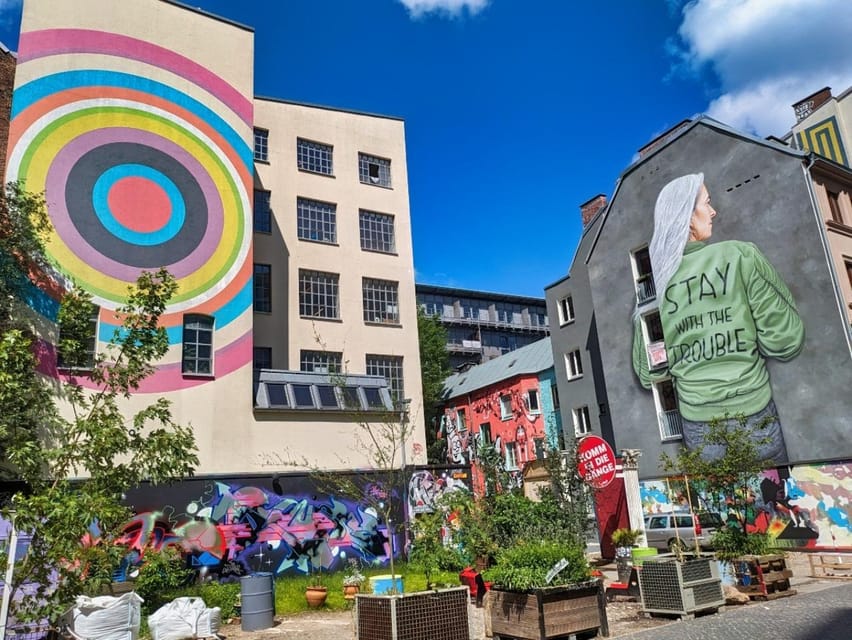
Hamburg has graffiti with a pulse. This 2-hour private walk with guide Adrian shows you street art in the real neighborhoods, not staged views. I love seeing the mix of graffiti walls, stencils, murals, and even 3D installations up close, and I love the way Adrian fills the route with personal anecdotes and background on artists and community projects.
The tradeoff is that the tour leans into alternative scenes and current controversies, so if you want classic sightseeing only, the discussion of protests, gentrification threats, and conflict may feel like a lot for two hours.
In This Review
- Key Points I’d Plan Around
- Where the Tour Starts: Sternschanze by the S-Bahn, Not the Main Square
- Two Hours in Hamburg: What the Route Is Really For
- Street Art Up Close: Graffiti, Murals, Stencils, and 3D
- Rote Flora, G20 Demos, and Why Some Walls Become Flashpoints
- Creative Hubs and Urban Gardens: Art That Lives in Everyday Space
- Repurposed WW2 Bunkers: When Old Concrete Gets a New Job
- St Pauli and the Millerntor Stadium: Community Spirit as a System
- The Karoviertel Area and an Urban Greenhouse Moment
- How It Feels with Adrian: Engaged, Story-Led, and Willing to Talk
- Price and Value: $235 Per Group Up to 15
- Who Should Book This Street Art Private Tour
- Should You Book It?
- FAQ
- How long is the Alternative Hamburg street art private tour?
- What is the price and group size for this private tour?
- Where do we meet for the tour in Sternschanze?
- What languages are available for the live guide?
- Is the tour wheelchair accessible and private?
- Does the tour cover topics like Rote Flora, G20 demos, and gentrification?
Key Points I’d Plan Around
- Adrian’s storytelling focus, with personal anecdotes and artist context that makes the walls make sense
- Sternschanze to St Pauli energy, including passes connected to the St Pauli football club community spirit
- Street art variety, from stencil and mural work to 3D installations and graffiti walls
- Community pressure topics, including gentrification, protests, and the history tied to Rote Flora and G20 demos
- Real alternative infrastructure, like creative hubs, urban gardens, and repurposed WW2 bunkers
Where the Tour Starts: Sternschanze by the S-Bahn, Not the Main Square
This is the kind of tour that starts with a simple promise: you’re walking the side streets and finding art where locals actually live. You’ll meet at the small square directly opposite the S-Bahn exit of Sternschanze station. There are two exits, so it matters which one you take, use the S-Bahn exit (not U-Bahn).
Once you’re above ground, you’ll spot a juice stand to your left. Cross the road to the paved area with street benches and a small rotunda or hut. It is an easy meet point, but worth doing carefully because small meeting mistakes can cost you the best part of the first stops.
If you’re the type of traveler who likes to get your bearings fast, this start helps. You are immediately in the neighborhood rhythm where alternative culture is part of everyday street life.
Also holding a platform in Hamburg
- Berlin: City Street Art Guided Walking Tour
★ 4.8 · 1,051 reviews - Berlin: 3-Hour Street Art Tour
★ 4.7 · 778 reviews - Dresden: Neustadt District Street Art Guided Walking Tour
★ 4.3 · 333 reviews
Two Hours in Hamburg: What the Route Is Really For
The tour is only 2 hours, which is short enough that you’ll stay curious, but long enough to understand what you’re seeing. It is also private, with pricing set per group up to 15 people. That means you can get a more conversation-style experience instead of being shepherded through stops with zero time to ask questions.
Here is what the time window is built to cover:
- you walk through alternative scenes and colorful local neighborhoods
- you see multiple styles of street art, not just one highlight wall
- you get stories about artists and the community projects they support
- you learn how tensions like gentrification and protests shape what gets built, protected, or replaced
The best way to think about it: this is not a “street art postcard tour.” It is a neighborhood context tour, where the art and the social pressure around it are part of the same story.
Street Art Up Close: Graffiti, Murals, Stencils, and 3D
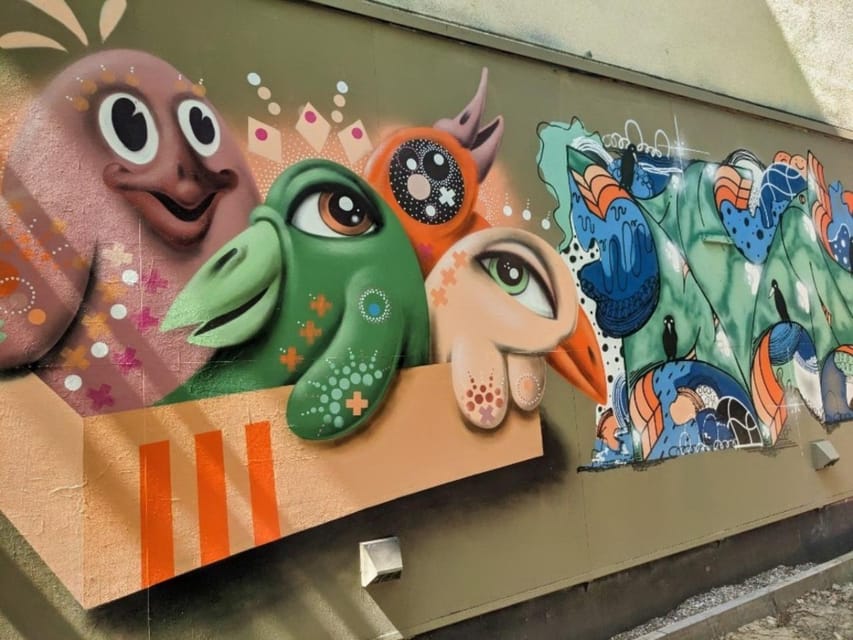
Hamburg’s street art scene is unique in part because it isn’t trying to be polite. The tour focuses on the full visual range you can actually spot on the ground, including:
- graffiti walls
- stencil art
- murals
- and 3D installations, the type that makes you look twice because they play with perspective
I like this approach because street art can look like pure decoration from far away. Up close, you start seeing technique and intent. Stencils often feel like sharp messages, while murals can read like long-form statements. Graffiti walls show speed, layers, and the way artists respond to each other over time. The 3D pieces add another level because you’re not just reading the artwork, you’re interacting with the illusion as you walk.
There’s also a good mix of local and international street artists mentioned during the tour. That matters because it stops you from treating everything as random decoration. You start recognizing style families and understanding how the scene talks to itself.
Rote Flora, G20 Demos, and Why Some Walls Become Flashpoints
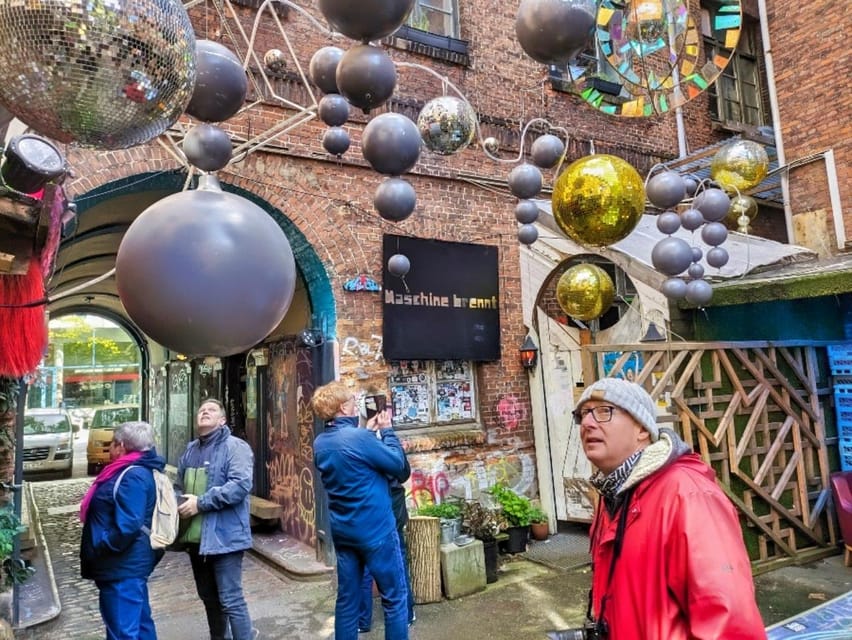
The tour includes discussion of controversial projects and community tensions, including the history tied to Rote Flora and the infamous G20 demos. You’ll also hear about community protests and the way urban art movements respond when a neighborhood is under pressure.
This is one of the most valuable parts of the experience, even if you don’t feel like a politics person. Street art often shows up where power meets the everyday street. When governments or developers reshape a district, artists do not always disappear quietly. Sometimes they respond with new work. Sometimes they defend places. Sometimes they mark a turning point.
What you should keep in mind: the guide will not treat these topics like a detached lecture. The tour is built around stories and personal context. So if you prefer your sightseeing to be strictly neutral and light, you may want to mentally prepare for heavier themes.
Creative Hubs and Urban Gardens: Art That Lives in Everyday Space
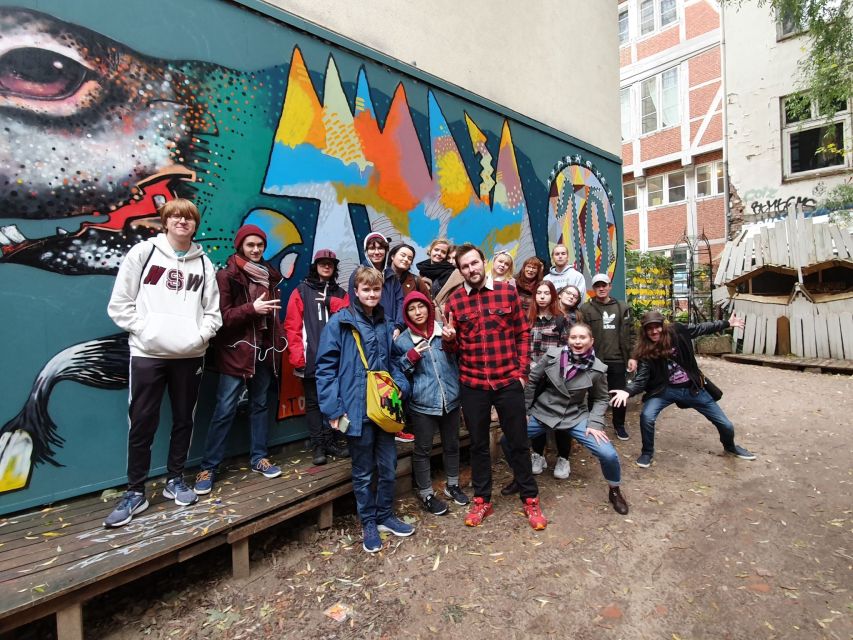
Between the big visual stops, you’ll also see the infrastructure around the art. The tour talks about creative hubs, back streets, parks, and bohemian neighborhoods. It also includes urban gardens and repurposed spaces that help the scene keep functioning.
I like these moments because they answer a question that many street art fans have but do not always ask out loud: where does the creativity go when it is not spray paint on a wall?
Urban gardens and repurposed community areas show that street culture is not only about aesthetics. It’s about access, gathering, and building shared space. Even if some projects change or evolve over time, seeing the pattern makes it easier to understand why certain districts develop a reputation for creativity and resistance.
Onward connections from Hamburg:



Repurposed WW2 Bunkers: When Old Concrete Gets a New Job
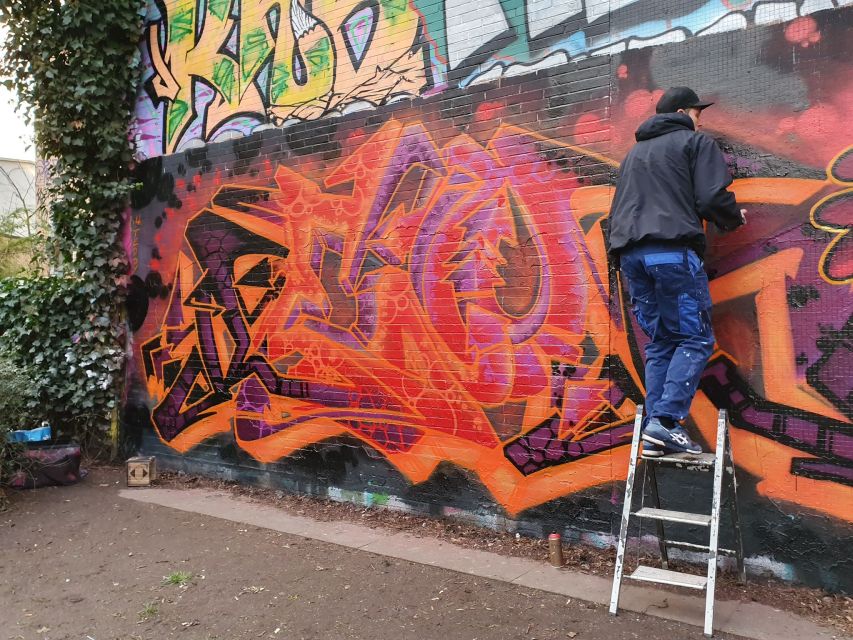
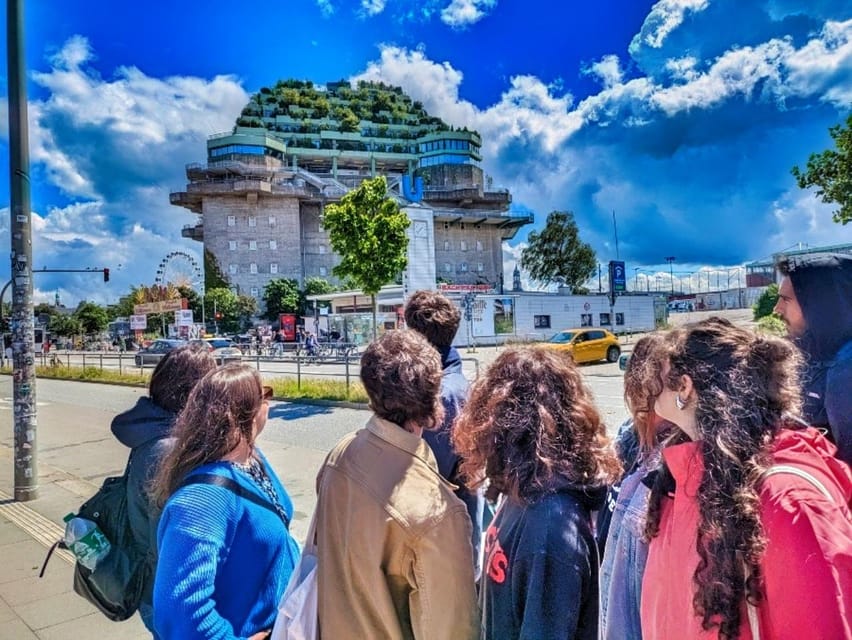
One of the standout elements in the tour description is a visit to repurposed WW2 bunkers. That’s a powerful setting for street art because the contrast is immediate. You have heavy, historical infrastructure, and then you see art and community projects taking that space forward.
Even if you’re not a history fanatic, this stop helps your brain connect dots. It shows how Hamburg reuses space rather than erasing it. You’re looking at continuity and transformation at the same time.
Practical note: bunker areas can feel cooler or darker depending on how the space is used. If you run hot, bring something light you can layer. This is still a walking tour, so comfortable shoes are a good idea.
St Pauli and the Millerntor Stadium: Community Spirit as a System
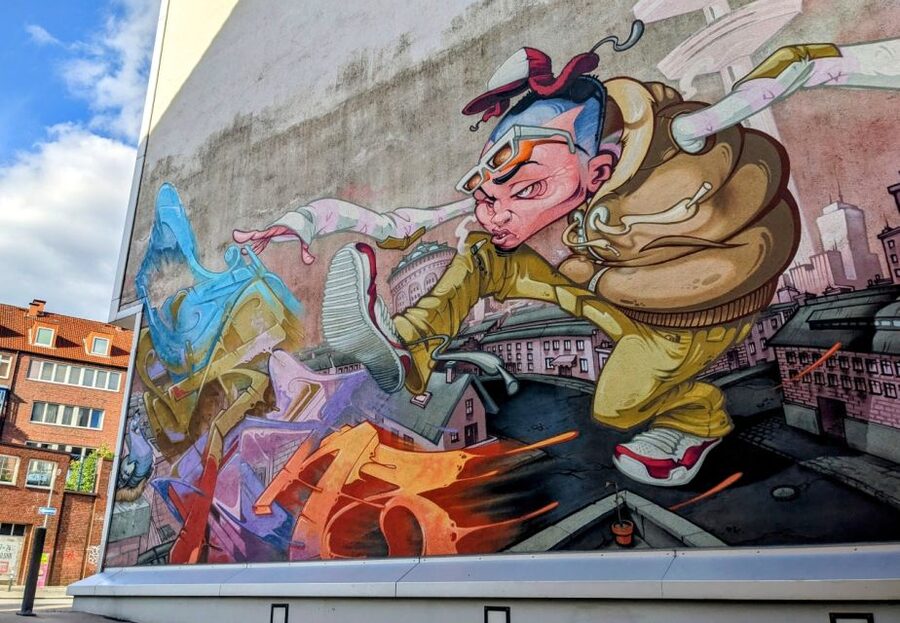
This tour spends time on the connection between street culture and the St Pauli community, including the influence of the St Pauli football club in shaping local spirit and supporting creative arts and the music scene.
You will pass by Millerntor stadium, and the tour connects the dots between:
- community initiatives
- art projects
- and the broader alternative scene in St Pauli
This is one of those parts where a short “pass-by” can still be meaningful, because the guide frames it as a cultural engine, not just a landmark. It helps you understand why certain neighborhoods stay active, even when external pressures try to change the character.
If you’ve ever been to a city where sports, culture, and street identity overlap, you know how sticky that can be. Hamburg is like that, and the tour uses the stadium area to show you the mechanism.
The Karoviertel Area and an Urban Greenhouse Moment
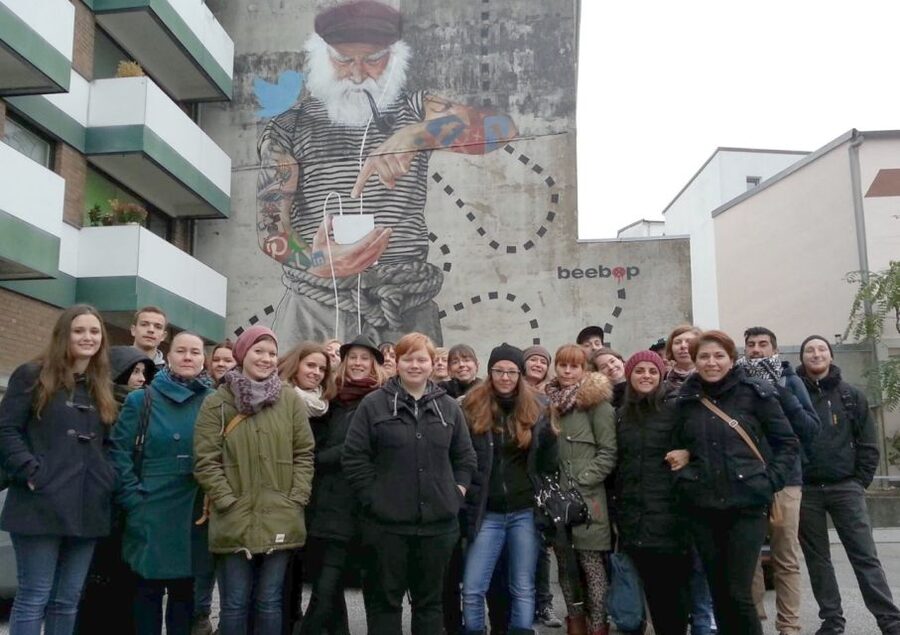
The route also mentions the Karoviertel area, including cafe culture and an adjacent urban greenhouse project. This is another reminder that the scene is not only walls and flyers. It includes everyday hangouts and practical projects that make the neighborhood feel lived-in and cared for.
The greenhouse angle is especially interesting because it flips expectations. People sometimes treat alternative culture as only art and attitude. A greenhouse introduces planning, sustainability, and hands-on community work. It’s a useful counterweight to the stereotype that street culture is only about disruption.
If you like tours that connect aesthetics to real systems, you’ll appreciate that the route has variety.
How It Feels with Adrian: Engaged, Story-Led, and Willing to Talk
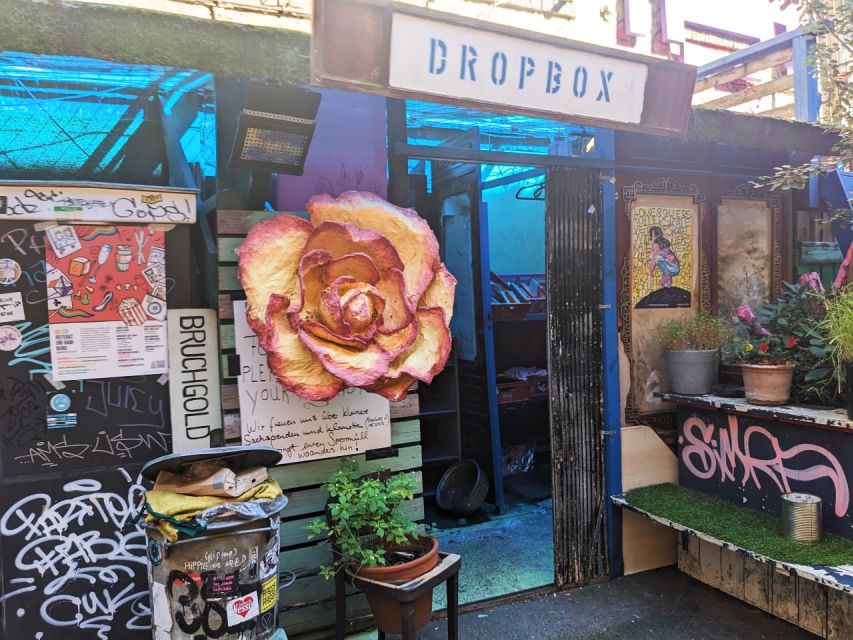
The reviews information is consistent on one theme: Adrian is engaged. People describe his tour as fun, enthusiastic, and packed with stories and anecdotes. One review also highlights that he stayed longer and even had a drink with the group, giving additional knowledge beyond the expected schedule.
That matters because street art can be confusing if you only look at the visuals. A good guide turns confusion into curiosity. You start asking better questions: Who’s behind the work? What context is missing without this neighborhood history? Why does a community protect a space instead of moving on?
Also, the tour runs in English and German with a live guide, so you can expect explanations instead of a headset playback.
Price and Value: $235 Per Group Up to 15
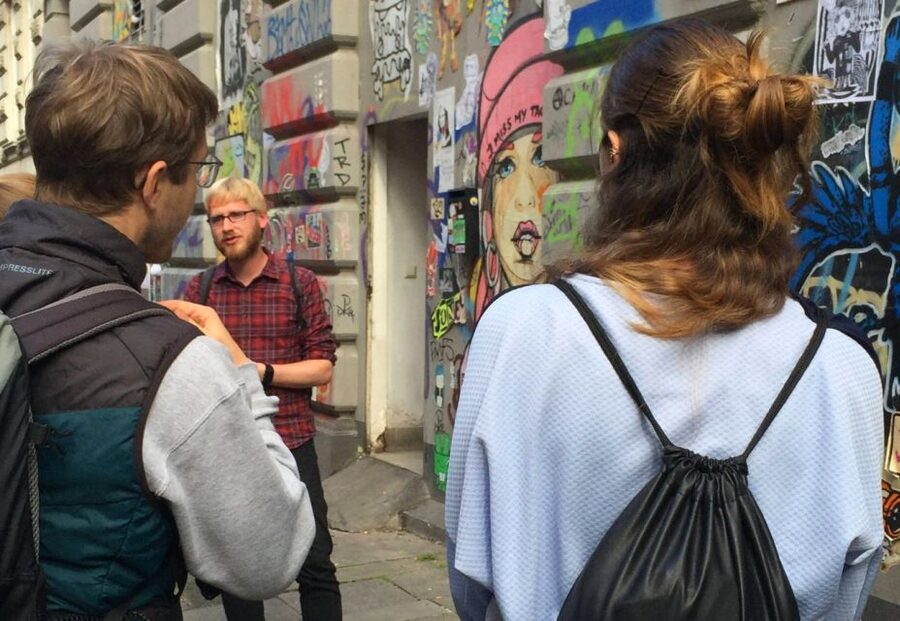
At $235 per group up to 15 people, this is priced like an intentional private experience. The value math depends on group size. If you fill the limit, the effective cost per person can feel quite reasonable compared with many private neighborhood tours.
But even beyond the math, the value here is the structure:
- guided storytelling (not just walking past art)
- a focus on multiple street art styles and multiple neighborhood contexts
- and coverage of social themes like gentrification and protest, which many street art tours skip
If you are traveling as a duo, the price per person will be higher than a group booking. In that case, I’d consider whether two hours is enough for what you care about most: if you want both art and context, it’s a strong match.
If you’re a small school group or company group, this is also a good format because it’s private and can be tailored to your group dynamic.
Who Should Book This Street Art Private Tour
This experience is a fit if you want:
- street art that comes with neighborhood context
- an alternative culture lens, not a checklist of major sights
- a guide who tells stories and makes the route feel alive
- photo-worthy stops like murals and 3D installations
It is also a good match for groups of friends, company groups, school excursions, and families, mainly because the format is designed for a walk that feels social and story-driven instead of rigid.
If you are short on time but you still want the “real city” version of Hamburg, this can be a smart use of two hours.
Should You Book It?
I think you should book this tour if your idea of a great day in Hamburg includes street art with context, and you want someone like Adrian to explain not only what you’re seeing but why the neighborhood treats that art as important. The topics covered, from Rote Flora history to gentrification pressures and G20 protest context, add weight in a way that helps the visuals land.
Skip it if you only want postcard classics and you prefer light topics with zero community tension. In two hours, the tour does not have time to be purely relaxing. It is more like a walk through street art, plus the story behind why it exists.
FAQ
How long is the Alternative Hamburg street art private tour?
The tour lasts 2 hours.
What is the price and group size for this private tour?
It is $235 per group, and the group size is up to 15 people.
Where do we meet for the tour in Sternschanze?
Meet by the small square directly opposite the S-Bahn exit of Sternschanze station. Use the S-Bahn exit (not U-Bahn). After you exit, there is a juice stand to your left. Cross the road to the paved area with street benches and a small rotunda or hut.
What languages are available for the live guide?
The live guide speaks English and German.
Is the tour wheelchair accessible and private?
Yes, the tour is wheelchair accessible and it is a private group experience.
Does the tour cover topics like Rote Flora, G20 demos, and gentrification?
Yes. The tour discusses the history of Rote Flora, the infamous G20 demos, and community topics such as protests and gentrification threats, along with street art and local alternative projects.
Fresh on the arrivals board for Hamburg

Street Art, compared.
Neustadt District Street Art Guided Walking Tour
Read our review →
Berlin Street Art Walking Tour – Off The Grid
Read our review →
East Meets West: Berlin Food Culture & Street Art
Read our review →
Browse the lists this tour appears in