Reviewed · MUNICH TOURS & ACTIVITIES
500 Years of Munich Architecture (Max. 16 Guests)
500 years of Munich, one walking loop. This tour is built around architecture as a living timeline, from Romanesque roots to Modern design, explained in plain language by Philipp, a Munich architect and certified official guide. I like the way the route mixes major landmarks with quieter corners, so you do not just see buildings, you learn how and why they changed. The second thing I like is the finish on the Gasteig rooftop terrace, where the skyline view (weather permitting) turns the whole story into something you can literally look at from above.
The main consideration is pacing. This is a 150-minute walking experience with stops in and around active city streets, so you will want comfortable shoes and the stamina for a focused tour in a compact time window.
In This Review
- Key things to know before you go
- Why this architecture tour feels different
- Starting at Frauenplatz, reading Munich’s “center of gravity”
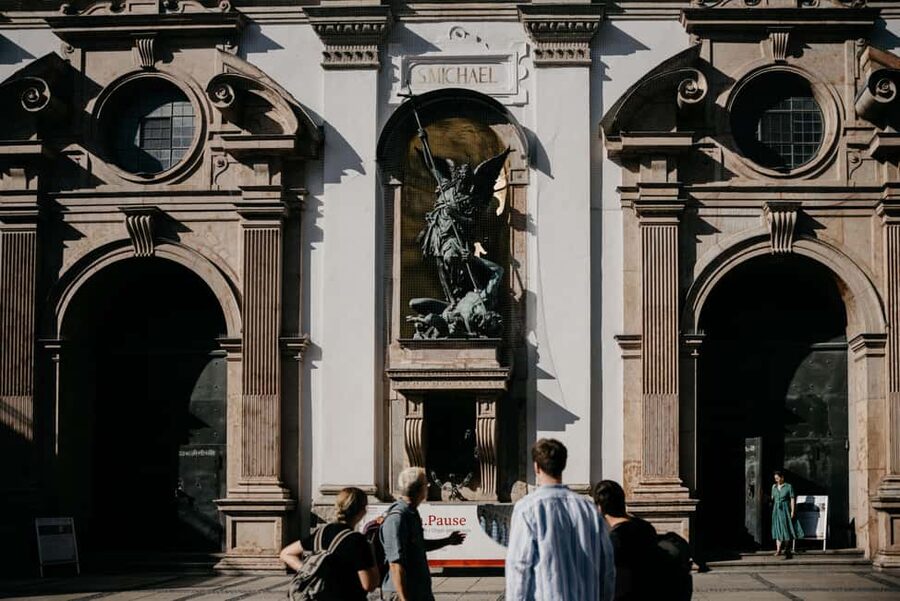
- St. Michael’s Church, where the story keeps moving
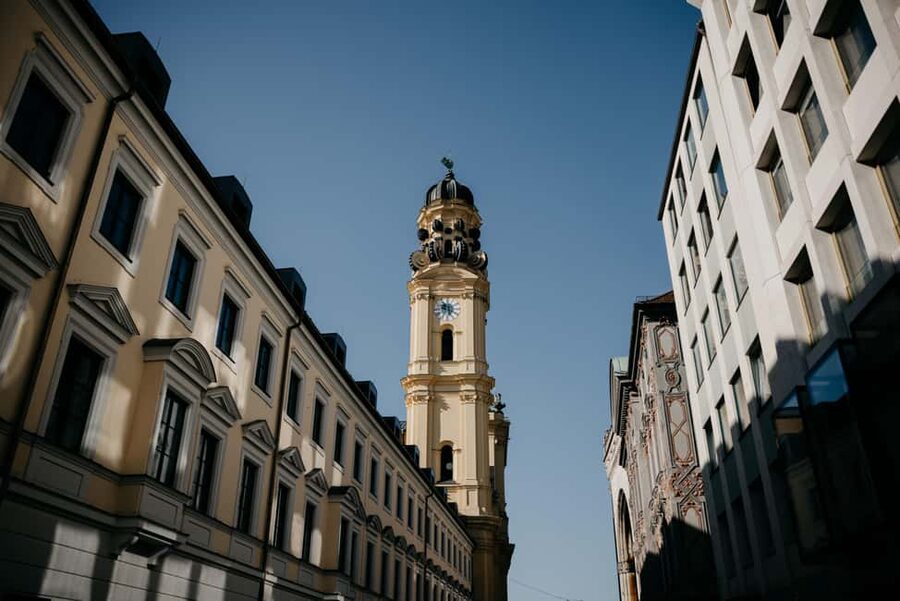
- Trinity Church and the baroque mindset
- Theatine Church, classic structure with deeper context
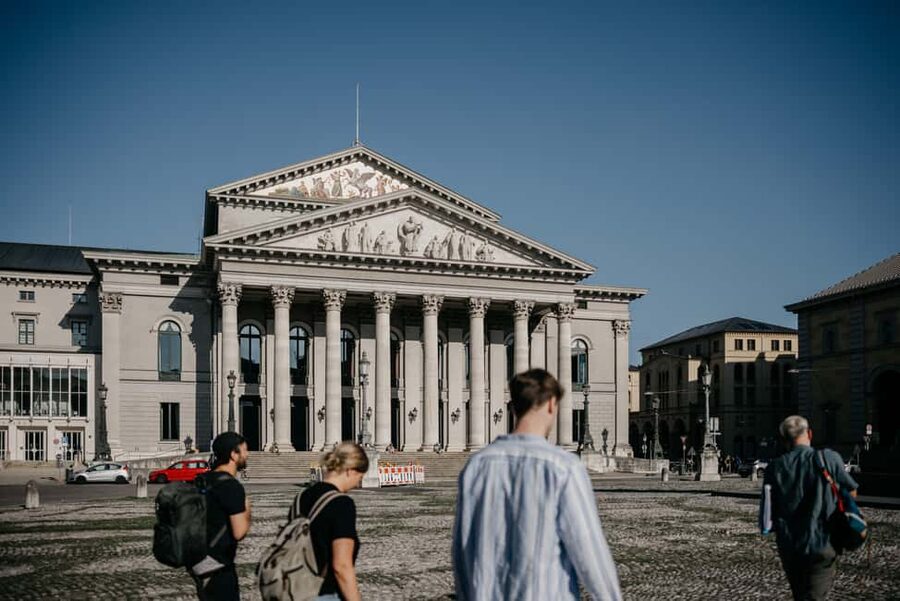
- Bavarian State Opera and Maximilianstraße, power made visible
- St. Lukas and Müllersche Volksbad, the city beyond postcard views
- Sudetendeutsches Museum and the modern turn
- The Isar River walk, when architecture meets nature
- Ending at the Gasteig rooftop terrace for the skyline payoff
- Price, group size, and value: is it worth $30?
- What to bring, and who this tour is best for
- Should you book 500 Years of Munich Architecture?
- FAQ
- How long is the tour?
- What is the group size?
- Where do we meet, and what is the easiest public transit route?
- What languages are offered?
- What is included in the price, and what is not?
- Is the tour suitable for wheelchair users or mobility impairments?
Key things to know before you go
- Max 16 guests, so questions and details do not get swallowed in a crowd
- Philipp leads throughout, combining design thinking with official local guiding skills
- You cover big eras, from gothic landmark work to Modern buildings and street art
- Isar River nature time, not just stone and statues, with a breather along the way
- Gasteig rooftop finale, one of the best payoff moments in central Munich
Why this architecture tour feels different
Architecture tours can go two ways: either you get a lecture, or you get a highlights reel. This one does neither. Philipp connects buildings to real social and political pressure, so style choices make sense. Instead of memorizing terms, you start noticing patterns: how power shows up in mass and height, how faith shapes plans, and how changing lifestyles leave marks on facades and public spaces.
You also get the benefit of a small group. With a max of 16 people, Philipp can slow down for questions, and you can actually hear the explanations at street level. I especially like that it is family friendly, because that usually means the guide is good at translating big ideas into human terms you can follow.
Also holding a platform in Munich
- From Munich: Neuschwanstein & Linderhof Castle Full-Day Trip
★ 4.6 · 14,646 reviews - Neuschwanstein & Linderhof Castle-Fairytale Day Tour from Munich
★ 4.5 · 7,275 reviews - Munich: Third Reich & WWII Walking Tour
★ 4.6 · 6,181 reviews
Starting at Frauenplatz, reading Munich’s “center of gravity”
The tour begins outside the Frauenkirche entrance at Frauenplatz 1. This spot matters because you are stepping into Munich’s visual core, where the city’s identity feels concentrated. Frauenkirche is the gothic anchor here, and Philipp uses it as a starting point to set expectations: you are not just touring buildings, you are touring momentum, how Munich kept rebuilding and reinventing itself across centuries.
What I like in this opening is how it frames your eyes. You start looking at proportions, massing, and the way a structure “speaks” to a square. Even if you have visited before, you will likely see new details because Philipp explains what a building is trying to communicate.
St. Michael’s Church, where the story keeps moving
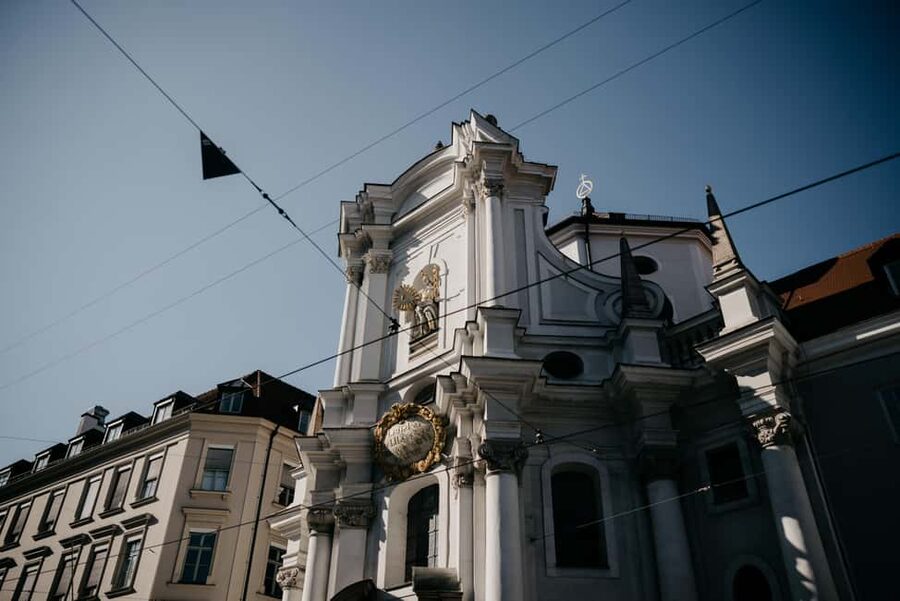
From Frauenkirche, you continue to St. Michael’s Church. This stop is useful because it keeps the timeline flowing instead of pausing on one era too long. Churches are ideal for learning architecture changes because they reflect the values of their time, plus the needs of communities that raised the money, demanded functionality, and expected symbolism.
In practical terms, expect Philipp to guide your attention to the elements you can recognize quickly, then add context so they mean something. If you tend to feel lost on architecture tours, this kind of guided “what to look at first” approach makes you feel oriented fast.
Trinity Church and the baroque mindset
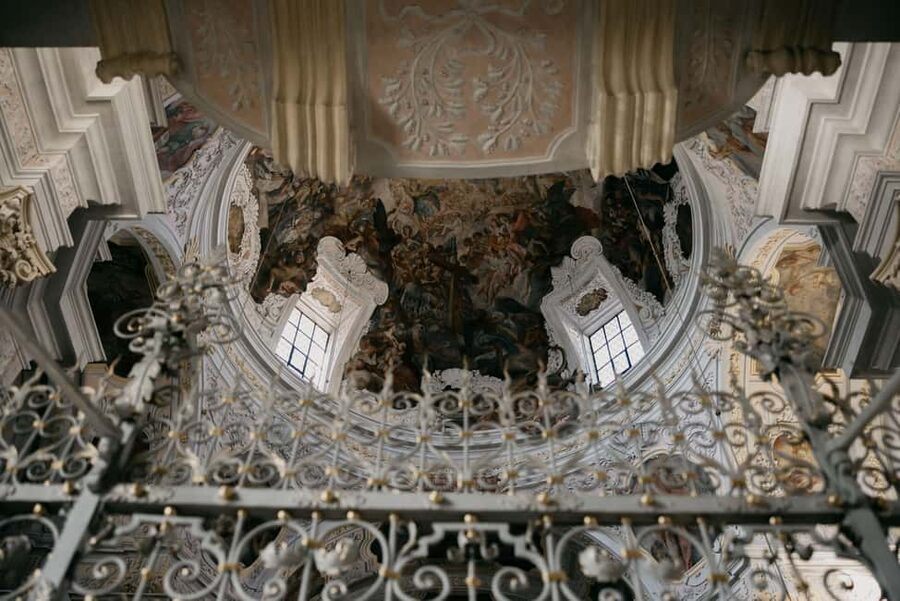
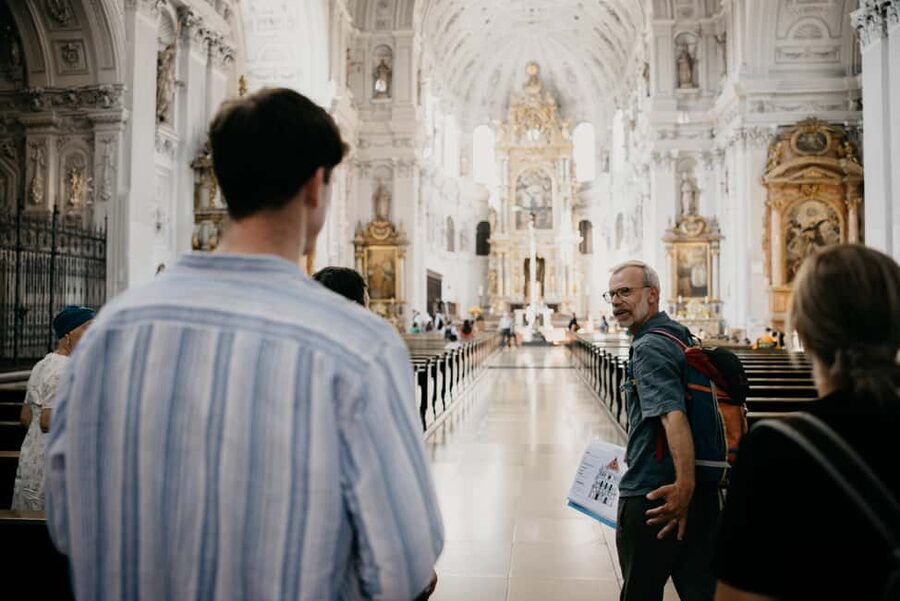
Next is the Trinity Church in Munich, specifically highlighted as baroque. Baroque architecture is about energy and drama, and Philipp treats it like a language. You will likely notice the shift in how buildings handle movement, decoration, and impression.
The value here is comparison. You are not only learning what baroque looks like, you are learning what it was used for. Philipp’s emphasis on social and political conditions helps you understand why certain styles gained favor. You start seeing architecture as a public message, not just a pretty facade.
Theatine Church, classic structure with deeper context
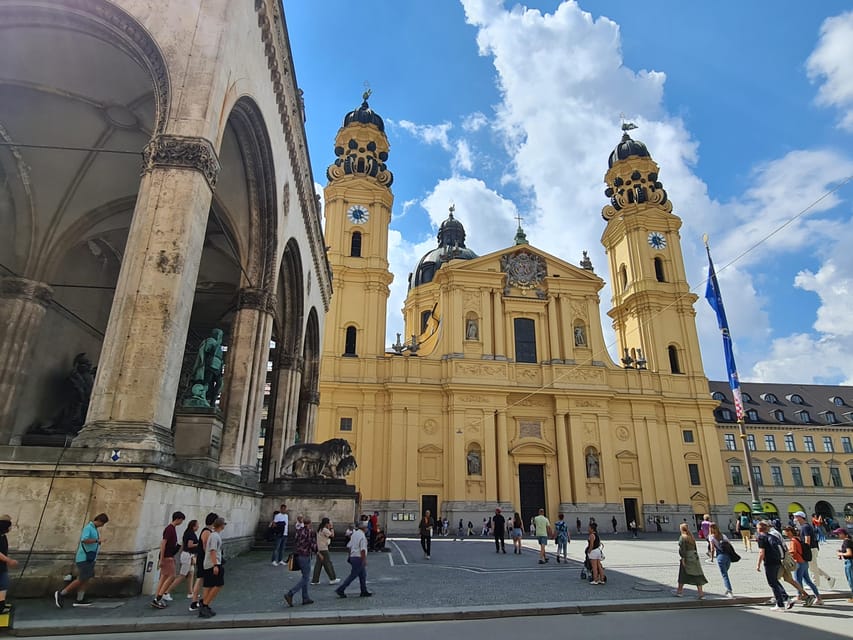
The Theatine Church is another key stop, and it works well in the middle of the route because it balances the emotional impact of earlier styles. You get more than a checklist of features. Philipp connects the architecture to the period’s ideals and to what people wanted a church to do in everyday life.
This is also where I think many people begin to enjoy the tour more. Once you have a few style shifts under your belt, the guide’s explanations land better. You can feel your brain starting to “read” the city rather than just look at it.
Onward connections from Munich:

Bavarian State Opera and Maximilianstraße, power made visible
After the church sequence, you move to the Bavarian State Opera and then into Maximilianstraße for a guided walk. This area is where Munich starts showing how architecture relates to civic pride and status. The Opera building sets the tone as a major cultural institution, and Maximilianstraße adds the urban layer, the street itself as a designed space.
Here is the practical takeaway: when Philipp talks about these buildings, you will start noticing how streets choreograph movement and how sightlines shape what people perceive as important. If you like city design, you will enjoy this stretch because it is not only about individual structures, it is about the stage around them.
St. Lukas and Müllersche Volksbad, the city beyond postcard views
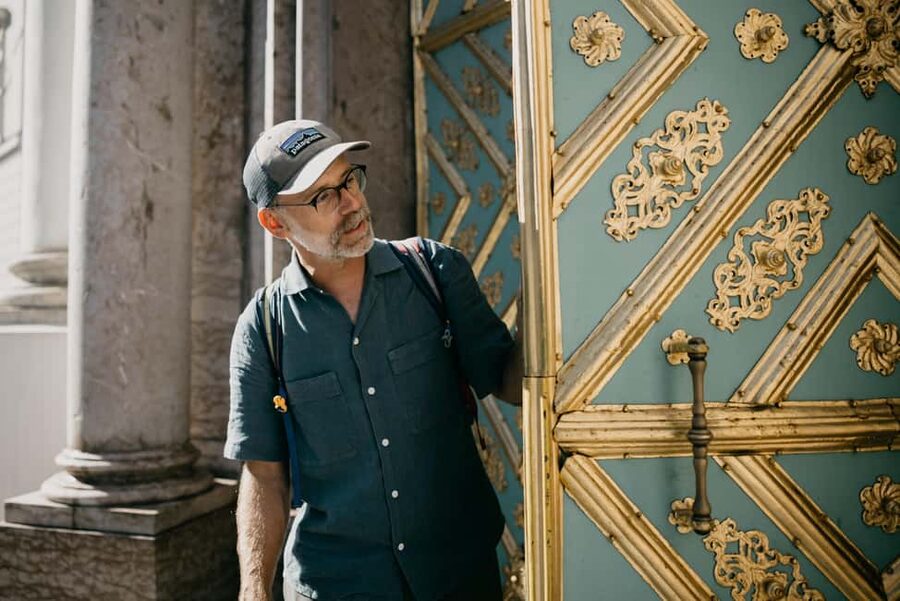
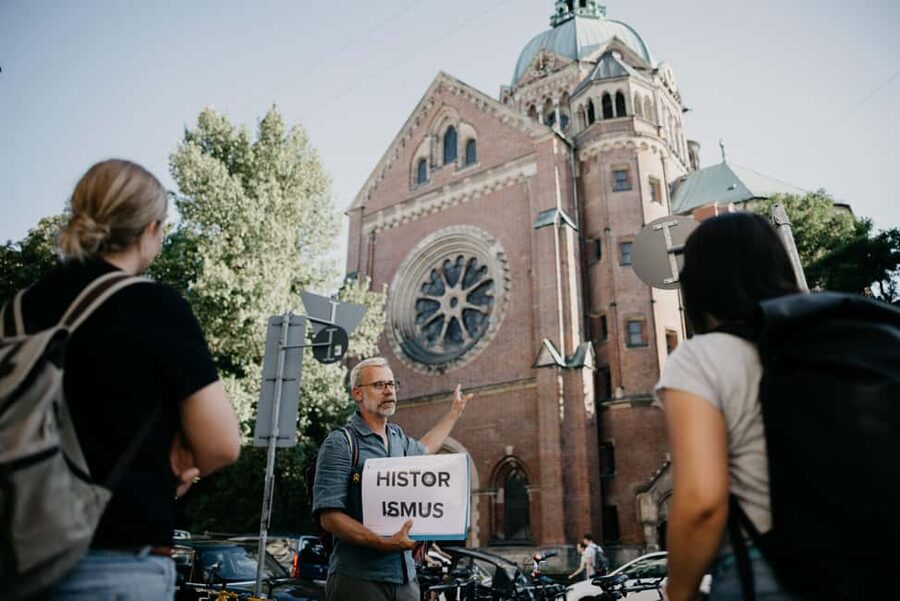
You then reach St. Lukas and Müllersche Volksbad, both with guided time. These stops are valuable because they widen the lens beyond the most famous landmarks. They help show how architecture serves different kinds of communities, not only the obvious monuments.
For you, this is where the tour earns its “small group” advantage. With fewer people, Philipp can point out details that many larger tours skip because the schedule gets tight. You also get a more balanced feel for Munich’s character, including the architecture that supports everyday rhythms.
Sudetendeutsches Museum and the modern turn
Next comes the Sudetendeutsches Museum. This stop helps the overall arc shift toward the modern side of the story. The tour also includes Art Nouveau and street art elements, plus time along the Isar River, so you get variety in both style and mood.
I like that the tour does not treat the modern era like a separate museum wing. Instead, it keeps the same theme: social realities shape what gets built and how it gets used. So when you encounter newer design language, it feels like a continuation, not a sudden jump.
The Isar River walk, when architecture meets nature
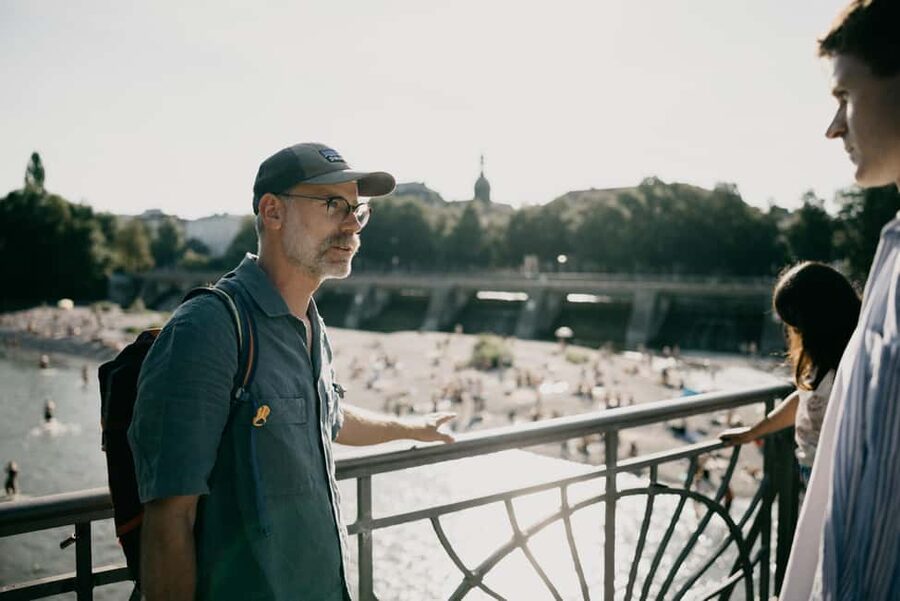
One of the smartest parts is the walk along the Isar River. It is not a long nature retreat, but it is enough to reset your attention. After you have been staring at stone, windows, and rooflines, you start noticing the city’s relationship to water, green space, and walkability.
Philipp’s approach makes this feel like part of the architectural timeline, too. The city is not just buildings, it is environment. You will get to see how style trends show up in public-facing spaces like the ones near the river, including moments of Art Nouveau, street art, and modern architecture.
This also matches what I would recommend for your enjoyment. If you are doing a lot of museums in one day, this kind of human-scaled break keeps you from feeling “tour fatigue.”
Ending at the Gasteig rooftop terrace for the skyline payoff
The tour concludes on the Dachgarten, auf dem Gasteig rooftop terrace. This is the emotional finish line. You get a high view over Munich’s skyline, and Philipp uses the panorama as a final way to connect eras you saw below.
Weather matters here, because the view is weather dependent. But even when conditions are imperfect, the rooftop context still helps. You can look at the city as a layered timeline of styles, eras, and reinventions.
Price, group size, and value: is it worth $30?
At $30 per person for 150 minutes, the value is strong, mainly because of what you are getting beyond the walk. Philipp is not just a guide, he is a certified official Munich tour guide and an architect, so the explanations are tied to how buildings are actually understood and designed.
You also get small but meaningful extras:
- a special postcard gift featuring a tour highlight
- a digital map with Philipp’s favorite Munich spots
- exclusive insights into hidden architectural gems
If you are comparing alternatives, the real benchmark is whether the guide is explaining design logic in a way you can use later. With a max of 16 guests, you also reduce the risk of being lost in a group. For most visitors, that combination makes the cost feel fair, not padded.
What to bring, and who this tour is best for
Bring comfortable shoes. This is not a sit-and-listen experience. You are walking between stops and spending time outside, so you want footwear that can handle city sidewalks.
This experience is family friendly, so it can work well if you travel with kids who enjoy seeing how things work and why they look the way they do. It is also available in English, German, and Spanish, which makes it easier for mixed-language groups.
One caution: it is not suitable for people with mobility impairments or wheelchair users. If that applies to you, you will want to choose a different format.
Should you book 500 Years of Munich Architecture?
If you want more than famous facades and you like explanations that connect buildings to social and political change, I would book it. The combination of a small group, a lead architect, and a rooftop skyline finish is a rare mix in Munich at this time length.
You might skip it if you strongly prefer fully seated experiences, or if walking in a focused 150-minute window is a challenge. Otherwise, this is one of the best ways to train your eyes in Munich, from gothic landmark work to Modern design details you will actually remember the next day.
FAQ
How long is the tour?
It lasts 150 minutes.
What is the group size?
It is a small-group tour with a maximum of 16 guests.
Where do we meet, and what is the easiest public transit route?
You meet outside right in front of the Frauenkirche cathedral entrance at Frauenplatz 1. The easiest public transit route is to use S-Bahn or subway (U3/U6), exit at Marienplatz station, then walk about 10 minutes.
What languages are offered?
The tour is available in English, German, and Spanish.
What is included in the price, and what is not?
Included are Philipp as your local architect and certified city guide, a special postcard gift featuring a tour highlight, exclusive insights into hidden architectural gems, and a digital map with Philipp’s favorite Munich spots. Food and drinks are not included, and transportation to and from the meeting point is not included.
Is the tour suitable for wheelchair users or mobility impairments?
No. It is not suitable for people with mobility impairments or wheelchair users.
Fresh on the arrivals board for Munich


Munich Tours & Activities, compared.
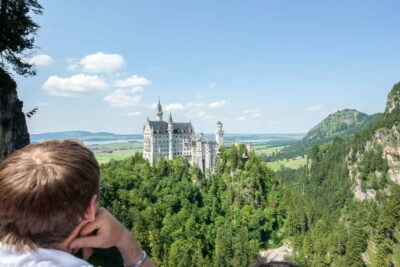
Neuschwanstein & Linderhof Castle Full-Day Trip
Read our review →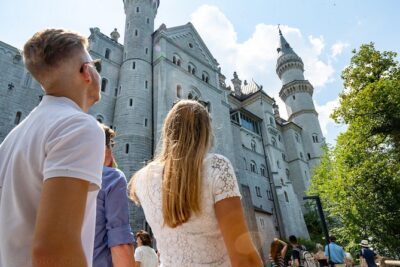
Neuschwanstein & Linderhof Castle-Fairytale Day Tour from Munich
Read our review →
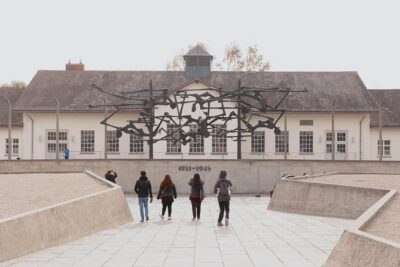
Dachau Concentration Camp Memorial Site Tour from Munich by Train
Read our review →
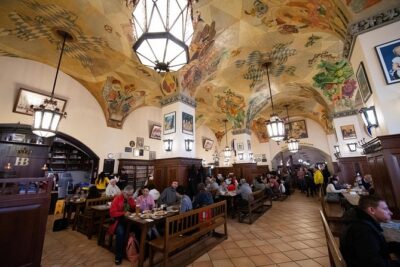
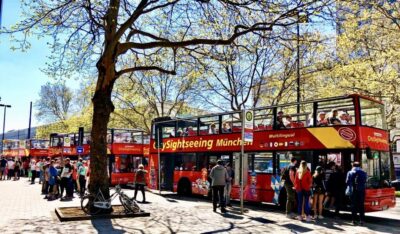
Munich Hop-On Hop-Off Tour: 1-Day or 2-Day Ticket
Read our review →