Reviewed · SHOW
Visiodrom in Wuppertal: The Immersive 360° Van Gogh Show
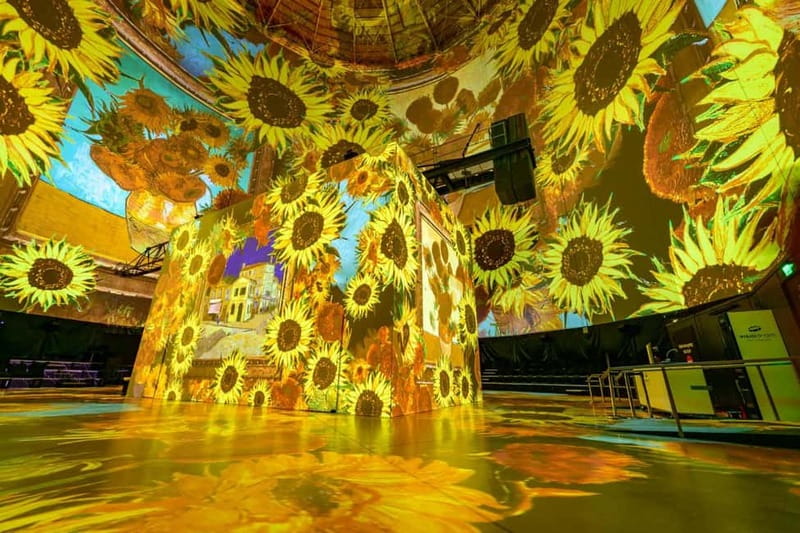
Van Gogh comes in full surround. At Visiodrom in Wuppertal, you pair a classic art exhibition with a 360-degree video show, all inside the industrial monument Gaskessel Wuppertal. The show is titled Vincent van Gogh – Longing, and it’s built to make the story feel immediate, not dusty.
I really like two things here. First, the exhibition text is easy to read and doesn’t overwhelm you. Second, the 360-degree show is treated like the payoff at the end, so your eyes have something to look forward to.
One thing to plan for: the indoor rooms can feel quite cold, even when it is nicer outside. If you run cold easily, bring a warm layer so the short show feels enjoyable, not miserable.
In This Review
- Key highlights to know before you go
- Visiodrom Wuppertal: what you’re actually buying
- Gaskessel Wuppertal and why the industrial building matters
- The exhibition part: Van Gogh context, without a label overload
- Vincent van Gogh – Longing 360-degree show: what happens and how long
- Skywalk add-on: using the extra access without rushing
- Rules and practical tips: arrive early, dress warm, and follow the do-not-list
- Price and value: is $20 a fair deal for one day?
- Who this show suits best, and who should skip it
- Should you book Visiodrom in Wuppertal?
- FAQ
- How long is the Visiodrom Van Gogh 360-degree show experience?
- What is included with the ticket?
- Is Visiodrom wheelchair accessible?
- What time should I arrive on the day?
- Are there any items you cannot bring or use?
- Is the show suitable for people with epilepsy?
- Is everything in the same language?
- What is the cancellation policy?
Key highlights to know before you go
- Vincent van Gogh – Longing (360-degree show): a short, moving visual sequence meant to be the main moment of the visit
- Text that’s readable, not excessive: you get context without drowning in labels
- Industrial setting at Gaskessel Wuppertal: projections and audio feel grounded in the venue
- Classic exhibition plus show: you get both explanation and a sensory presentation
- Skywalk included in your ticket: a bonus add-on beyond the exhibition rooms
- One-day format: you can fit it into a day in Northern Germany without a big time commitment
Visiodrom Wuppertal: what you’re actually buying
This is a one-day ticket to the Visiodrom experience in Wuppertal, built around two core parts: an exhibition and a 360-degree Van Gogh show, plus access to the Skywalk. The price is listed at about $20 per person, which makes it easier to justify if you want art plus a modern presentation without paying museum-level ticket prices for everything separately.
What I like about the concept is that it targets two learning styles at once. You get the exhibition for the basics, names, and themes. Then you get the show to turn those themes into something you can feel, with moving visuals that change how you look at the story.
You’re not signing up for a deep, slow gallery crawl all day. Instead, it’s a structured, time-efficient experience designed to move you through Van Gogh’s life, his drive for recognition, and his intense output, including Starry Night, The Sunflowers, and The Potato Eaters.
Gaskessel Wuppertal and why the industrial building matters
The venue is the Gaskessel Wuppertal, an industrial monument. That setting is not just decoration. It changes the mood.
Instead of white walls and quiet ceiling corners, you’re in a space with an industrial scale. That kind of room works well for wraparound visuals, because the “big screen” feeling comes from the architecture as much as from the projection system. It also matches Van Gogh’s theme of longing and striving. You get a sense of grit and focus, not just art-on-a-pedestal.
There is one practical tradeoff. Industrial spaces can mean temperature swings, and at least some visitors have noted it can be colder indoors than outside. So even though the show is shorter, you may still want to dress like you’re going to a cool indoor venue, not a warm museum.
The exhibition part: Van Gogh context, without a label overload
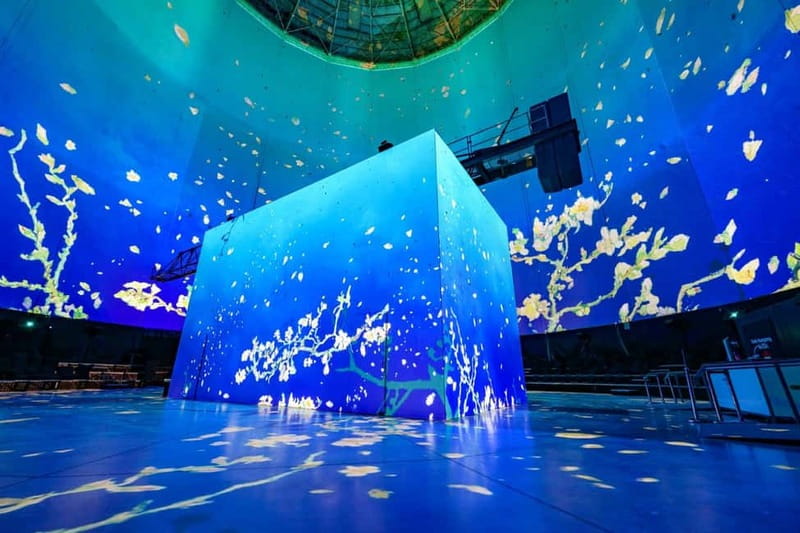
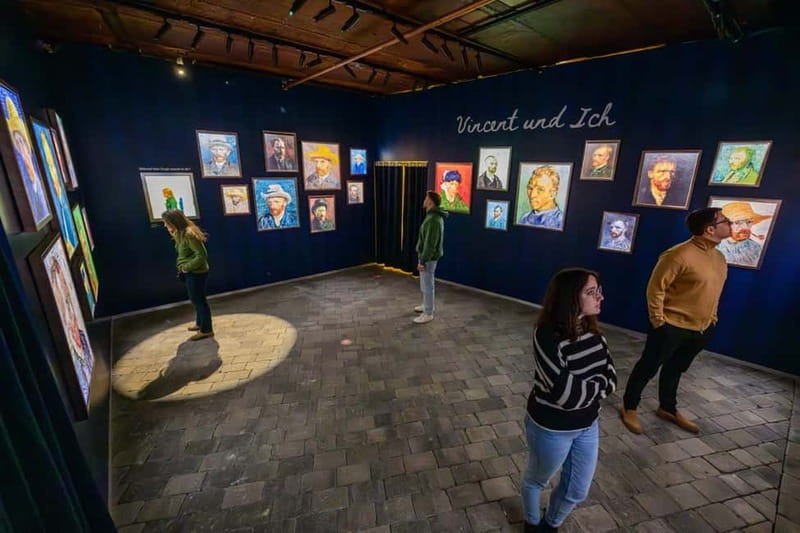
The exhibition portion is meant to give you the human story behind the paintings. You’ll learn that Van Gogh was denied fame during his lifetime, despite being intensely committed to his work. The pace of his production is part of the theme: in roughly ten years, he created over 864 paintings and over 1,000 drawings.
You also get the “why it mattered later” angle. After Van Gogh died, recognition came through the efforts of Johanna van Gogh-Bonger, linked to Theo’s support. That detail helps you understand why the art you know today became so famous, even if he did not see the breakthrough himself.
One of the best practical qualities people highlight is how the text is handled. The information is readable and not too much. That matters, because too many exhibitions add so many captions that you spend the whole visit scanning tiny paragraphs. Here, the text supports the experience rather than competing with it.
Do note that some content is shown in its original language. If you’re not comfortable with the original language used on certain parts, focus on the sections with the clearest visuals and key terms. You’ll still get the core story.
Vincent van Gogh – Longing 360-degree show: what happens and how long
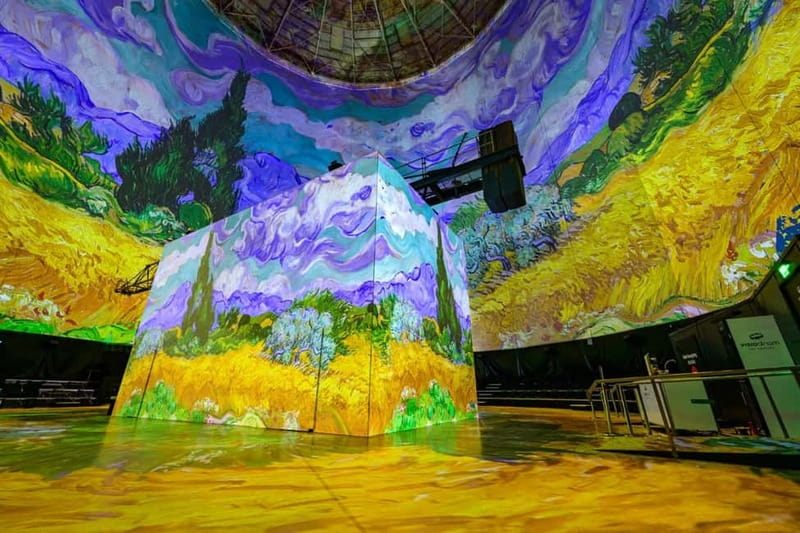
The “main event” is the 360-degree show Vincent van Gogh – Longing. The format is designed to surround you with moving visuals that connect to the artist’s life and ideas. The result, based on the feedback this experience attracts, is usually described as a real highlight, especially for people who like art presented through motion rather than only static images.
Timing-wise, the show is described as about 20 minutes. That’s long enough to feel like a mini film, but short enough that it fits into a one-day outing without turning into a half-day theater commitment.
The show also works best if you go in with a bit of context from the exhibition. If you know the big themes, the visuals land harder: Van Gogh’s search for beauty in everyday simplicity, his relentless need to be recognized, and the sheer volume of work he produced while struggling in his personal life.
One important caution: this experience is not suitable for people with epilepsy. If you or someone in your group has epilepsy, skip the show portion.
Skywalk add-on: using the extra access without rushing
Your ticket includes admission for the show and exhibition as well as the Skywalk. That means you have a built-in “third thing” to do that isn’t strictly art viewing.
How should you use it? I suggest you treat the Skywalk as your pressure-release valve. After the exhibition and the show, take the option to get moving, reset your eyes, and break the indoor focus. It also gives you something to do if you finish the exhibition a bit earlier than expected.
Because the Skywalk details aren’t spelled out here, I can’t promise a specific view or feature. But the practical value is clear: it expands your visit beyond two rooms and helps the whole day feel fuller, even though the main show itself is relatively short.
Rules and practical tips: arrive early, dress warm, and follow the do-not-list
This experience runs with a guided tour element, and you should plan to arrive about 30 minutes before the start. The reason is simple: you need that time to organize registration and billing.
Also, don’t ignore the on-site rules. Drinks are not allowed, and neither are alcohol and drugs. Chewing gum is also listed as not allowed. You’ll also want to avoid climbing and party groups, since those are explicitly restricted.
Finally, dress for comfort. Even if it is pleasant outside, plan for cooler interior temperatures. A light sweater or layer you can remove later is a smart move. For the short 20-minute show, warmth matters more than you might expect.
If you want the experience to feel smooth, come with realistic expectations: it’s a structured art-and-media program, not a free roam museum day.
Price and value: is $20 a fair deal for one day?
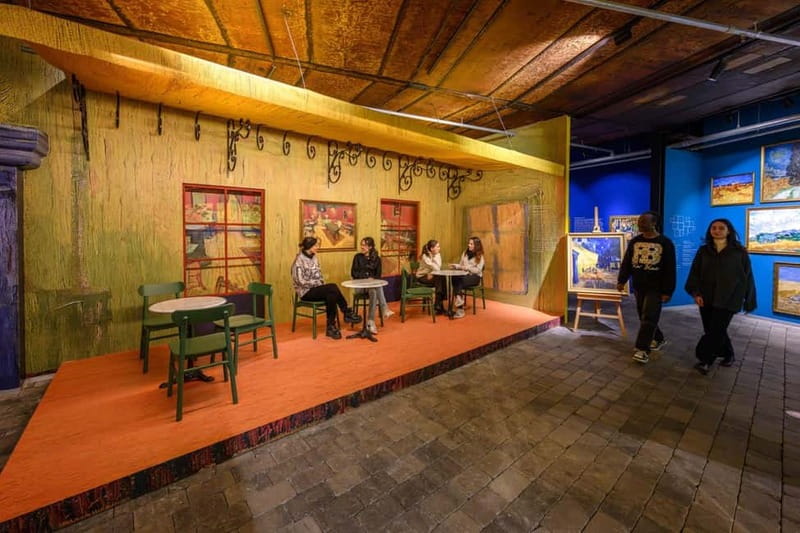
At about $20 per person for a one-day visit that includes the exhibition, the 360-degree show, and the Skywalk, the value depends on what you want most.
If you love modern ways of presenting art, the price is easier to swallow. You’re getting more than a gallery ticket, because the 360-degree show is the special format here, and multiple visitors specifically describe the show as the highlight. You also get context through the exhibition, which is what helps most people get more out of the visuals.
If you prefer traditional art experiences where the main focus is reading, studying brushwork, and lingering in silence, you might find the setup shorter than you’d like. One comment in particular suggests the exhibition itself can feel “okay” rather than unforgettable, and the overall price can feel steep if you judge it mostly by the time spent.
My practical takeaway: judge this as a combo ticket for art context plus a short multimedia finale. If that combo matches your travel style, it’s a good use of time and money.
Who this show suits best, and who should skip it
This works especially well for you if:
- you want a one-day Van Gogh-focused activity without building an itinerary from multiple stops
- you like art explained with readable text, not with walls of micro-labels
- you’re curious about how paintings and themes translate into moving, wraparound visuals
It might be less ideal if:
- you want a long, slow gallery experience where you can spend hours with a few works
- you’re sensitive to indoor cold, since some rooms can run cooler than expected
- you or a companion has epilepsy, since the show is not suitable
The experience is listed as wheelchair accessible, which is a meaningful advantage if mobility is a factor for you. It’s also set up as a private group, which usually means the experience flow feels more controlled than large chaotic tours, even though group size isn’t specified.
Should you book Visiodrom in Wuppertal?
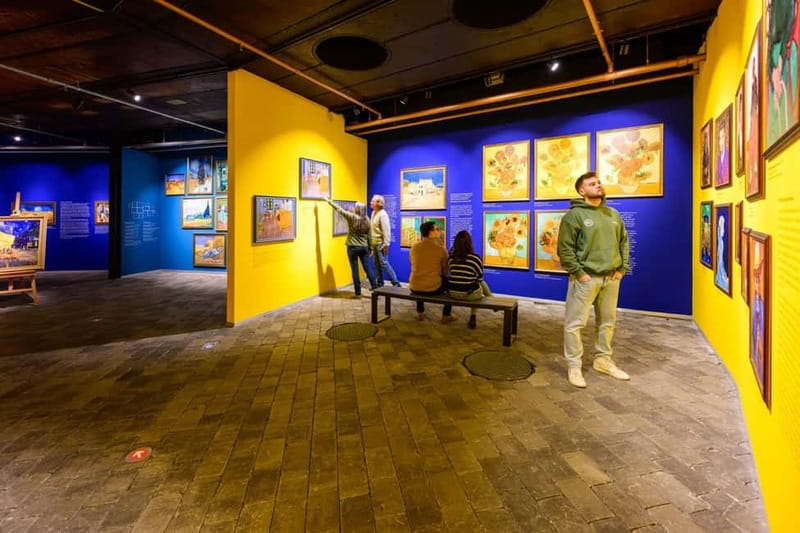
If you’re planning a day in Northern Germany and you want a Van Gogh experience that blends clear exhibition context with a short, high-impact 360-degree show, I think this is a solid booking. The biggest reason is the structure: you get the background, then the show lands as the finale, not an afterthought.
Book it if you want your Van Gogh learning to include visuals that move, and you’re okay with a visit that is time-efficient rather than lingering.
Skip it if you cannot handle cool indoor temperatures, need to avoid show elements due to epilepsy, or you only want traditional, long-form gallery viewing.
FAQ
How long is the Visiodrom Van Gogh 360-degree show experience?
It is listed as a 1-day activity. The included experience includes the exhibition, the 360-degree show, and the Skywalk.
What is included with the ticket?
The ticket includes admission to the show and exhibition, plus access to the Skywalk.
Is Visiodrom wheelchair accessible?
Yes, the experience is listed as wheelchair accessible.
What time should I arrive on the day?
You should be on site about 30 minutes before the start of the guided tour for registration and billing.
Are there any items you cannot bring or use?
Drinks are not allowed. Alcohol and drugs are not allowed, and chewing gum, climbing, and party groups are also restricted.
Is the show suitable for people with epilepsy?
No. The activity is listed as not suitable for people with epilepsy.
Is everything in the same language?
Some content is shown in its original language.
What is the cancellation policy?
Free cancellation is offered up to 24 hours in advance for a full refund.
More Show in Wuppertal
- Quatsch Comedy Club Berlin: Die Live Show Entry Ticket
★ 4.7 · 919 reviews - Berlin: Laughing Spree Comedy Show on a Boat
★ 4.9 · 670 reviews - Freiburg: Drag Queen Show Walk with Betty BBQ
★ 4.6 · 605 reviews - English Stand-Up Comedy Show with Free Pizza and Free Shots
★ 4.6 · 343 reviews
Show, compared.
Quatsch Comedy Club Berlin: Die Live Show Entry Ticket
Read our review →

English Stand-Up Comedy Show with Free Pizza and Free Shots
Read our review →

Moin Comedy Club Stand Up Comedy Live Show Ticket
Read our review →