Reviewed · GERMANY
Premiumstadtführung (historische Altstadt und Schlossberg)
Quedlinburg’s hill town history feels personal fast. This UNESCO World Heritage walk brings you through the medieval lanes and up to the Schlossberg, where 1,100 years of stories connect to real buildings you can point at. I love how the tour mixes landmark stops with street-level details, so you’re not just collecting facts. I also like the way the route is practical, starting in the market square and ending on the Schlossberg, which makes the whole 2 hours feel like one focused circuit.
One thing to consider: the tour uses cobblestone and includes a steeper section on the Schlossberg. If you’re traveling with limited mobility or hate slippery stairs and uneven ground, plan for slower moments, good shoes, and extra caution.
In This Review
- Key highlights to look for
- Quedlinburg’s Schlossberg and old town, explained where you can see it
- Meeting at Quedlinburger Marktplatz, and how to make the most of 2 hours
- From the town hall to St. Benedikti, the market square sets the story
- Schuhhof, Hölle, Blasii Church, and the Half-Welfare Museum
- Up to the Schlossberg: Klopstock-Haus, the Museum Lyonel-Feininger area, and the hill rhythm
- Stiftskirche St. Servatii: what you see, and what you do not
- Price and value: why $10 can work (if you’re there for highlights)
- Weather, slick Schlossberg moments, and shoe advice that actually matters
- Group size, questions, and how much you’ll enjoy the guide
- Best for who: families, architecture fans, and first-time Quedlinburg visitors
- Should you book Premiumstadtführung (historische Altstadt und Schlossberg)?
- FAQ
- How long is the tour?
- Where do I meet the guide?
- Is there a live guide?
- Does the tour run in bad weather?
- Are there cobblestones or steep parts?
- Is Stiftskirche St. Servatii included inside?
- What does the price include for families?
Key highlights to look for
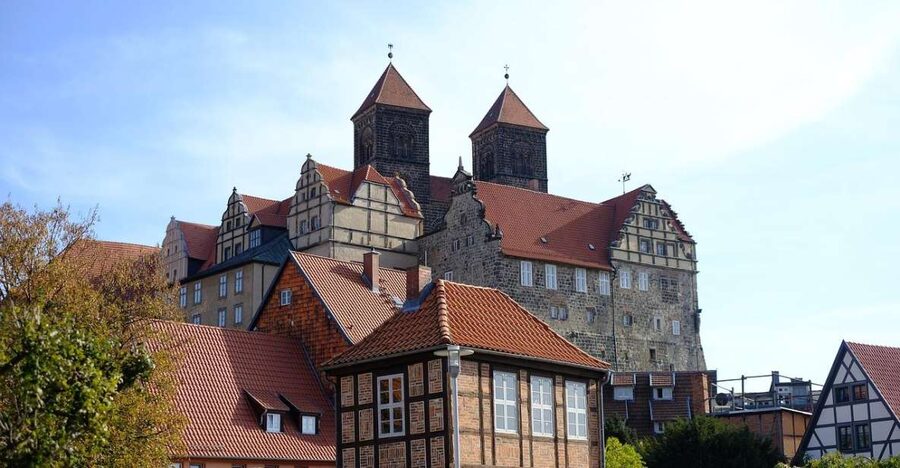
- Schlossberg viewpoint and Stiftskirche St. Servatii area: the big-hill moment, right where the story sits
- Half-timbered Quedlinburg streets: details you can actually see, not vague descriptions
- Landmark mix in the old town: town hall, St. Benedikti, Blasii Church, and more
- Museum-related stops on the hill: Klopstock-Haus and the Museum Lyonel-Feininger area
- Family-friendly value: children and adolescents up to 16 go free
Quedlinburg’s Schlossberg and old town, explained where you can see it
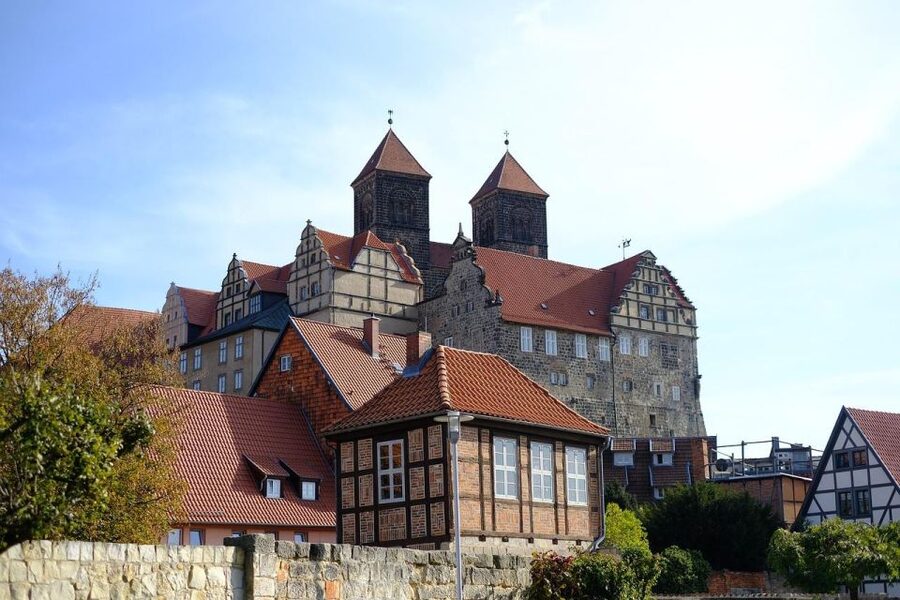
Quedlinburg works because the places are still there. Instead of treating the past like a lecture, this tour guides you from street to street, with enough context to make each corner click. You’ll connect what you see in the medieval alleys to the wider 1,100-year timeline the guide keeps bringing back.
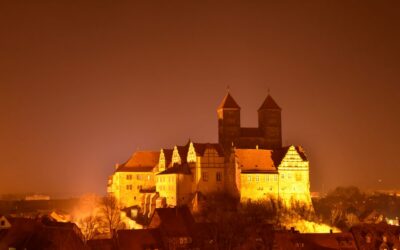
The big “why it matters” moment is the Schlossberg. From there, it’s easier to understand how Quedlinburg grew around power, church life, and the kind of civic identity that sticks for centuries. The highlight is the collegiate church on the hill, Stiftskirche St. Servatii, and the route is shaped so you reach that emphasis during the second half of your walk.
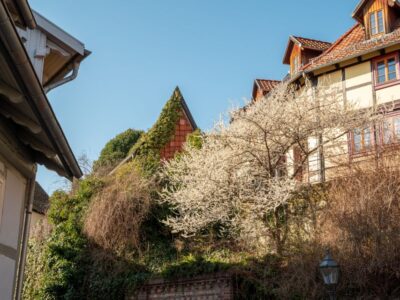
If you like architecture and street history, you’ll enjoy the half-timbered character here. It’s not just cute timber framing. The guide helps you notice the variety in styles and the human scale of the old town, so you walk away seeing patterns instead of just admiring surfaces.
Next departures posted for Quedlinburg:
- Night Watchman Tour through Quedlinburg
★ 4.5 · 1,040 reviews - Quedlinburg: Guided City Highlights Walking Tour
★ 4.5 · 353 reviews - Quedlinburg: Historical Old Town Evening Walking Tour
★ 4.5 · 148 reviews
Meeting at Quedlinburger Marktplatz, and how to make the most of 2 hours
The tour starts right in front of the friendly Quedlinburg city information on the Quedlinburger Marktplatz. Look for the city info sign on the green background, then arrive a little early so you’re settled before the group assembles.
You’ll show your ticket to the guide at the agreed time, and the pace is designed for a 2-hour experience. That time pressure is part of the value: you get a lot of core highlights without wasting hours wandering around on your own trying to stitch together what’s important.
Because the guide is live and German-speaking, it helps if you either understand German or are comfortable using the guide’s explanations as a visual map. Even if your German is basic, you’ll still pick up plenty by watching where you’re sent and how the guide points out features.
From the town hall to St. Benedikti, the market square sets the story
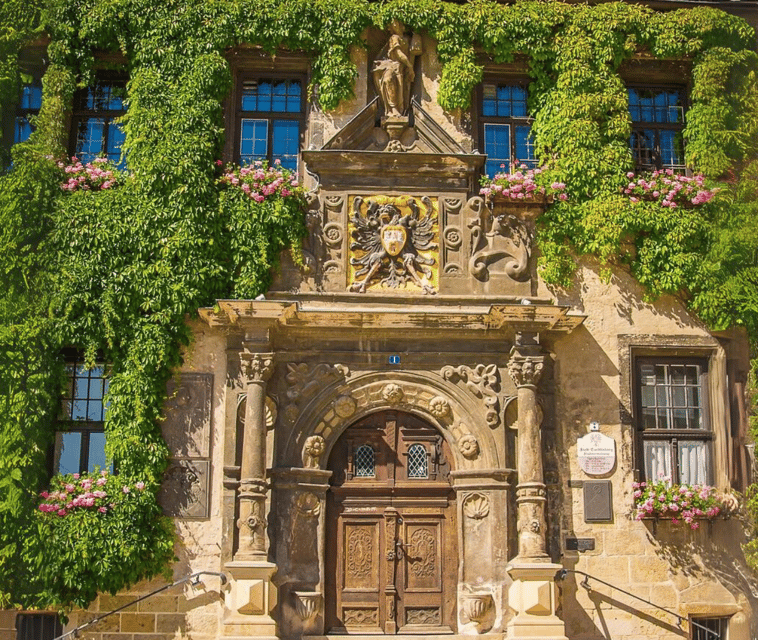
You begin in the market square area, which is a smart way to start. It’s the kind of place where people still naturally gather, so historical context lands better when you’re standing in the center of civic life.
From there, you’ll visit major stops in the old town, including:
- the imposing town hall
- the market church of St. Benedikti
- and other key sites that help explain how the medieval city functioned
The St. Benedikti area is especially useful because it gives you a religious and community anchor for the rest of the walk. When you later see smaller streets and specialist buildings, you’ll understand why those places exist in the same town, for the same community, across centuries.
If you’re someone who usually skips churches because you think it will be the same everywhere, this is a good bet. The guide uses the buildings as story anchors, so it feels like learning how the city actually organized itself.
Schuhhof, Hölle, Blasii Church, and the Half-Welfare Museum
After the market square, the tour moves into the parts of Quedlinburg where the atmosphere is unmistakable. You’ll pass through medieval alleys and see the half-timbered houses that make the town so visually recognizable.
Two things I like about this middle stretch:
1) You’re not just looking at facades. The guide helps you connect architecture to the “how did people live here?” question.
2) The stop selection includes both religious landmarks and civic or specialized sites, so it doesn’t become one-note.
Stops along this phase include Schuhhof, Hölle, and the Blasii Church, plus the Half-Welfare Museum. Even without going inside every building, these choices matter. They break up the walking with points of interest, and they keep the story grounded in real places rather than general commentary.
A practical note for your comfort: this section includes cobblestone paths. It’s manageable, but it’s not the “easy stroll” you might hope for. If you wear squishy shoes, you’ll be happier by the end of the 2 hours.
Up to the Schlossberg: Klopstock-Haus, the Museum Lyonel-Feininger area, and the hill rhythm
Then comes the hill. The Schlossberg tour section is what turns a historic town walk into something memorable, because you get a change in elevation and perspective.
On the way, you’ll see stops such as Klopstock-Haus and the Museum Lyonel-Feininger area. This part of the route is valuable because it links Quedlinburg’s identity to cultural life beyond medieval times. You’re not only traveling backward. You’re seeing how the town continues to matter in later centuries.
The hill rhythm also does something helpful for your brain. When you’re walking uphill on cobbles, you naturally slow down. That makes it easier to notice details. When the guide points something out, it sticks because you’re physically engaged with the space.
You’ll also go past the Schlossgarten, which adds a little breathing room in the second half of the walk. Even if you don’t spend long there, it helps reset your viewpoint before you focus on the collegiate church complex.
Onward connections from Quedlinburg:
Stiftskirche St. Servatii: what you see, and what you do not
The highlight of the trip is the collegiate church on the Schlossberg, Stiftskirche St. Servatii. This is the moment that makes the whole walking route feel intentional.
You will get to the church area as part of the Schlossberg tour. You’ll learn how it connects to the city’s long story. The guide also frames it so you understand why the hill matters for Quedlinburg’s identity.
One important consideration: the tour does not include going inside St. Servatii’s collegiate church. That means if you were specifically hoping for an interior viewing, you’ll want to plan that separately with your own time on another visit. The tour still gives you a strong “outside-and-context” experience, but it isn’t a full church-entry stop.
Price and value: why $10 can work (if you’re there for highlights)
This tour is listed at about $10 per person for a 2-hour guided walk, with free entry for children and adolescents up to 16. At that price point, you’re not paying for a private guide or museum entry tickets. You’re paying for someone to stitch the buildings into a coherent timeline.
That’s a good deal when you:
- want the key Quedlinburg highlights without charting a route yourself
- enjoy half-timbered architecture and church-centered city history
- like asking questions while you walk
It’s also a good match for short stays. If you only have a couple hours in Quedlinburg and want more than just a self-guided wander, this format gives you structure. You’ll end up with a sense of where you are and why it matters, not just where the buildings are.
Weather, slick Schlossberg moments, and shoe advice that actually matters
The tour runs regardless of weather, rain or shine. That’s great if you’re trying to avoid schedule stress. But it comes with a real-world tradeoff: you’ll walk cobblestones, plus there’s a steeper section on the Schlossberg.
So here’s the practical advice I’d give you before you commit:
- Wear shoes with grip, especially if you’re visiting in colder months.
- Don’t assume “it’s only a hill” means it’s easy. The Schlossberg part is steeper.
- If you’re traveling in winter, be mentally ready for possible short-notice changes if conditions make the hill unsafe.
There has been at least one documented situation where the Schlossberg became too slippery and the guidance shifted or the tour was adjusted. I’m not saying that will happen every time. I am saying the hill’s conditions matter, so plan with footwear and expectations that weather can influence what’s comfortable.
Group size, questions, and how much you’ll enjoy the guide
The guide is live and German. One of the best compliments about this kind of tour is not about the sights, it’s about how comfortably you can interact. A couple of reviews emphasized that the group size felt right, with enough space to ask questions.
That’s important. On a tour like this, the guide’s explanations are what transform “I saw a church” into “I understand why that church is on this hill and how it shaped the town.” If you can ask questions and get clear answers, your payoff rises fast.
Also, one review highlighted that the guide delivered a detailed explanation with clear care for the city. That kind of tone matters because the route includes several named places, and you benefit from someone tying them together.
Best for who: families, architecture fans, and first-time Quedlinburg visitors
This is a smart choice if you’re a first-time visitor and you want your bearings fast. The tour starts in the market square, hits major landmarks, then builds to the Schlossberg highlight. That sequencing is ideal when you’re new to Quedlinburg and want context without doing research first.
It’s also family-friendly in a way that’s rare at this price:
- children and adolescents up to 16 are free
- the tour is long enough to feel substantial, but short enough for kids who might tire
If you love half-timbered towns, church history, or cultural connections like Klopstock-Haus and the Lyonel-Feininger museum area, you’ll likely enjoy the selection. The stops cover both the medieval core and the cultural layer of later Quedlinburg.
Seasonal tip for planning: if you’re visiting in January, you might find limited lunch options, since some restaurants can be closed for the season. It’s worth checking opening hours ahead of time so you’re not trying to scramble after your walk.
Should you book Premiumstadtführung (historische Altstadt und Schlossberg)?
Book it if you want a structured, 2-hour orientation to Quedlinburg’s UNESCO old town and the Schlossberg. The value is strong for the price, especially if you like asking questions and learning how the buildings connect to the larger 1,100-year story.
Skip it or consider a self-guided plan if:
- you need indoor access to Stiftskirche St. Servatii, because the tour does not include the interior
- you have trouble with cobblestones and steep sections, unless you’re prepared to take it very slowly and prioritize grip on your shoes
- you only want a casual wander and no guide context
If you fall in the middle, take the tour. It’s one of the easiest ways to turn “I’m in Quedlinburg” into “I actually get what I’m looking at.”
FAQ
How long is the tour?
The tour duration is 2 hours.
Where do I meet the guide?
Meet at the Quedlinburg city information directly at the Quedlinburger Marktplatz, by the green sign, and be ready to show your ticket at the agreed time.
Is there a live guide?
Yes. The tour has a live tour guide who speaks German.
Does the tour run in bad weather?
Yes, the tour takes place regardless of weather, rain or sunshine.
Are there cobblestones or steep parts?
Yes. The tour includes cobblestone paths and a steeper section on the Schlossberg.
Is Stiftskirche St. Servatii included inside?
No. The tour includes the church area on the Schlossberg, but the inside visit is not included.
What does the price include for families?
Children and adolescents up to 16 years are free.