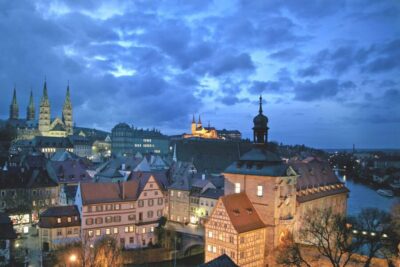
Reviewed · GUIDED
Osnabrück: Gertrudenberg-Führung (Erlebnistour)
Osnabrück has a secret hill worth your time. The Gertrudenberg-Erlebnistour mixes old-town history with real, strollable green space, and then throws in something special: you go into places that are usually closed off. It is the kind of walk where the guide keeps turning corners, not just pointing at them.
I especially liked two things. First, getting access to the monastery church and the Ameos Clinic areas, with doors you probably would not find on your own. Second, the route builds toward the view points, including the panoramic overlook of Osnabrück and the atmosphere around the Gertrude Church, plus stops tied to caves beneath the hill. The main drawback to plan around is simple: this is an outdoor walk in all wind and weather, and the tour is German, so pack warm layers and be ready to follow along in German.
In This Review
- Key things you will get from this experience
- Starting at the Klosterkirche on Gertrudenberg
- Why the Gertrudenberg walk feels different than a standard city tour
- Bürgerpark and the 19th-century green spaces on the hill edge
- The best panoramic view of Osnabrück is part of the route
- Entering the monastery church and seeing its Baroque high age character
- Caves beneath the Gertrudenberg: the hidden layer under your feet
- Provinzialständische Lunatic Asylum, built 1861: a heavier stop with context
- The Ameos Clinic access and why it matters
- Group feel, pace, and how the two hours play out
- Price and value at about $17 per person
- What to wear, and what to expect when weather turns
- Who this tour is best for
- Should you book the Osnabrück Gertrudenberg-Erlebnistour?
- FAQ
- How long is the Gertrudenberg-Erlebnistour?
- Where is the meeting point?
- Is the tour guided in German?
- Is the tour wheelchair accessible?
- Is it suitable for young children?
- What should I bring for the tour?
Key things you will get from this experience
- Gertrudenberg, Bürgerpark, and the old clinic areas: A guided route through green edges of the old town.
- Access to normally closed doors: You step into spaces you would not reach independently.
- Monastery church visit: See an old church up close, including its Baroque high age details.
- Caves beneath Gertrudenberg: Learn what is underfoot and why it matters for the story of the place.
- 1861 Provinzialständische Lunatic Asylum interior: Go inside a major historical institution tied to Osnabrück.
- A guide who tells the story with anecdotes: Short, engaging explanations with insider details that keep you moving.
Starting at the Klosterkirche on Gertrudenberg
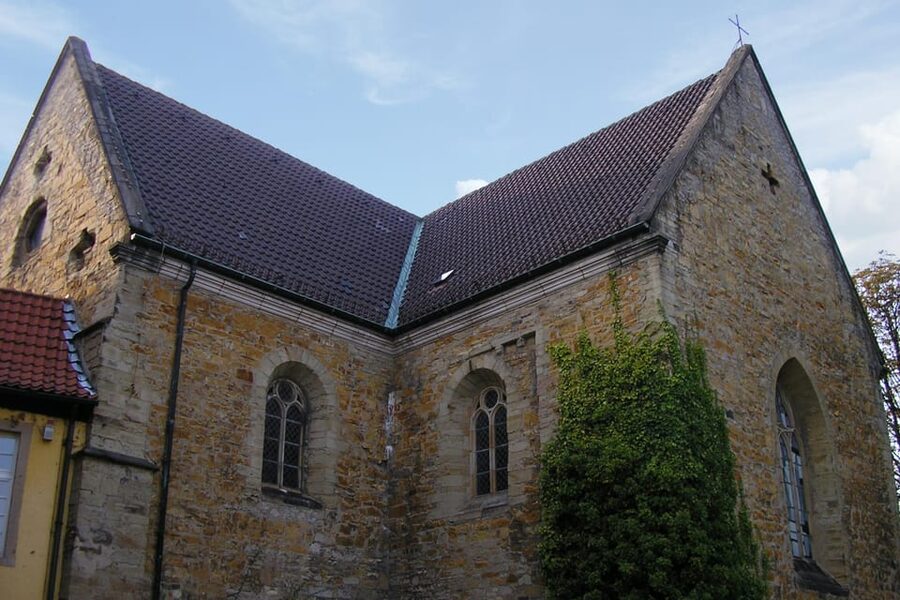
You meet at the church on the hill, right in front of the Klosterkirche on the Gertrudenberg (Gertrudenring 9, 49088 Osnabrück). This matters because the tour is designed like a walk up and around the hill, not a hop-on hop-off circuit. Once you are there, you get oriented fast, and you start seeing how the hill connects to Osnabrück’s oldest public green spaces.
Expect to begin with a classic “this is where the story starts” moment. From there, your guide leads you along paths toward the Bürgerpark area and the historic walls and grounds around it. Even before any big indoor stop, you will get a sense that Gertrudenberg is more than a park. It is a layered place: church, gardens, medical history, and the darker parts of 19th-century institutions all share the same slope.
Also holding a platform in Osnabruck
- Osnabrück: Nachtwächter-Führung (Erlebnistour)
★ 4.5 · 123 reviews - Osnabrück: “Beschwipste” Nachtwächter-Führung (mit Umtrunk)
★ 5.0 · 4 reviews - Berlin: Reichstag, Dome and Government District Guided Tour
★ 4.7 · 18,288 reviews
Why the Gertrudenberg walk feels different than a standard city tour
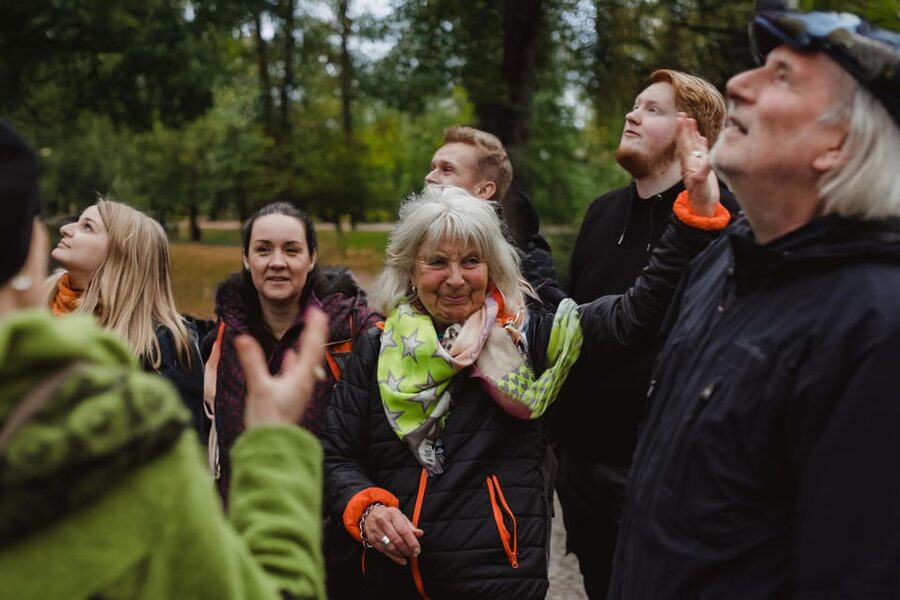
This tour is built around the edge of the old town. You are not just walking from sight to sight, you are moving through the hill’s transitions, green space to stone space, open air to interior rooms. That is why it feels more like exploring than sightseeing.
You will also notice how the guide manages pacing. The tour lasts two hours, so you are not dragged through ten stops that could each be an hour. Instead, you get a steady rhythm: short stretches outdoors, then a meaningful stop, then back outside. If you like tours where you stay mentally engaged without feeling rushed, this is a good fit.
One more practical reason it works well: the price is reasonable for the access you get. At $17 per person, you are paying for two hours of guided storytelling plus entry into specific interior spaces like the monastery church and clinic areas. In other words, you are not just buying a route, you are buying permission and context.
Bürgerpark and the 19th-century green spaces on the hill edge
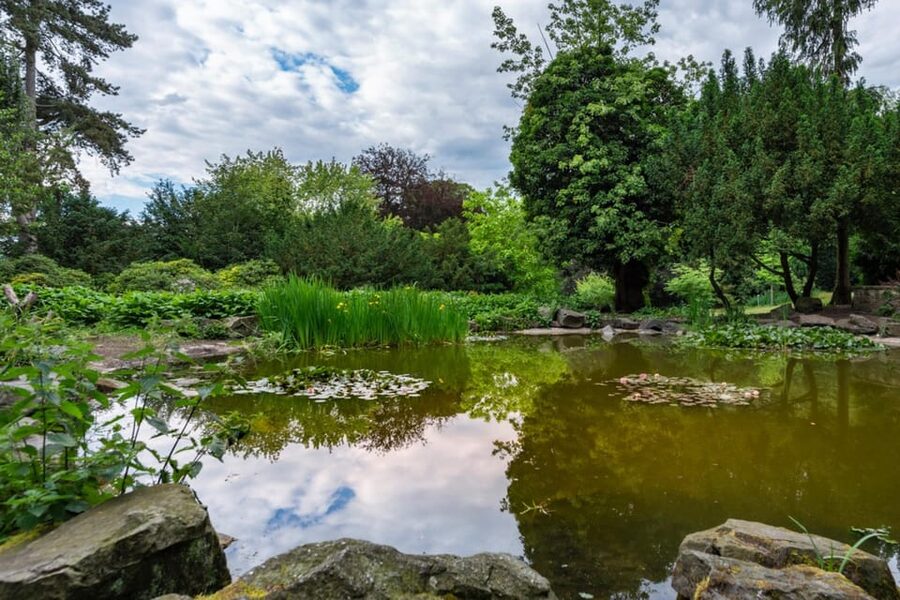
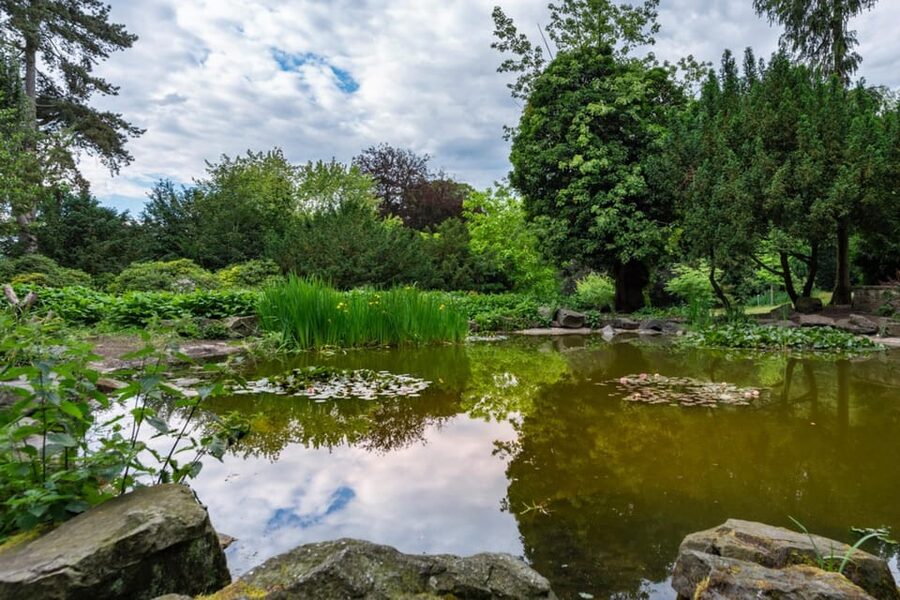
A big part of the experience is discovering the hill’s “in-between” areas: secret gardens, old trees, and parks shaped in the 19th century. The tour aims for places that feel calmer than the city center. You are still in Osnabrück, but you get the feeling of stepping away from traffic and straight into a different pace.
Look for the small details the guide points out. Old paths, boundaries, and the way vegetation changes around walls often tell you more than a plaque. And because this is part of the Gertrudenberg system, you get links between what you are seeing now and what the site’s past uses were.
The Bürgerpark stop is especially useful if you want more than photos. You learn where the panoramic viewpoint is, and you also learn how the hill’s layout shapes the view. The tour is not just sightseeing, it is learning the geography so you can appreciate why the view feels the way it does.
The best panoramic view of Osnabrück is part of the route
The description of the tour makes one promise clearly: you find the spot for Osnabrück’s most beautiful panoramic view. This is the kind of detail that matters, because a lot of walking tours talk about viewpoints in general. Here, you get guided timing and positioning.
So when you reach the viewpoint area, take a minute before you start filming. The guide’s explanations help you connect what you see with the story of the hill and the city below. Even if you think you already know Osnabrück, a guided viewpoint makes the city feel newly arranged.
Entering the monastery church and seeing its Baroque high age character
One of the most satisfying moments is the monastery church visit. You are not looking from the outside only. You get up close, which is where older churches start to tell you their real story.
This stop includes the Baroque high age context, so you can pay attention to how the church’s style and atmosphere differ from more plain or medieval-feeling spaces. The guide helps you notice what to look for, and that makes the interior visit more than a quick entry photo.
If you care about architecture, this is one of the best uses of your time on the tour. You get an interior space during a two-hour experience, which means you will not feel like you spent the whole tour outdoors with no payoff.
Onward connections from Osnabruck:

Caves beneath the Gertrudenberg: the hidden layer under your feet
The tour also focuses on the caves beneath the Gertrudenberg. That is a fascinating theme because caves usually sound like a separate attraction. Here, caves are part of the hill’s complete story, tied to what people built, used, and accessed over time.
Even if you do not have a science background, this is easy to appreciate. The guide’s job is to connect the physical fact of caves with the human fact of why the site mattered. It is the kind of information that changes how you look at the ground around you, and it helps explain why the hill developed the way it did.
This is also a moment where the tour’s pacing helps. You will have already walked enough to get your bearings, so when the guide starts talking about the underground layer, your attention is anchored.
Provinzialständische Lunatic Asylum, built 1861: a heavier stop with context
The most striking and unusual part of the experience is the interior of the Provinzialständische Lunatic Asylum, built in 1861. This is not a light, casual photo stop. It is a historical institution, and the tour treats it like that.
What you gain is access. You step into the interior, not just around it. That changes the experience because it is easier to understand scale, layout, and purpose when you are inside the rooms rather than reading about them from a distance.
A good guide is crucial here, and the tour’s format supports that. You are given enough context to understand the place without making it sensational. If you prefer history that includes the uncomfortable chapters rather than skipping them, this stop will likely be one of your favorite parts, even if it is emotionally weighty.
The Ameos Clinic access and why it matters
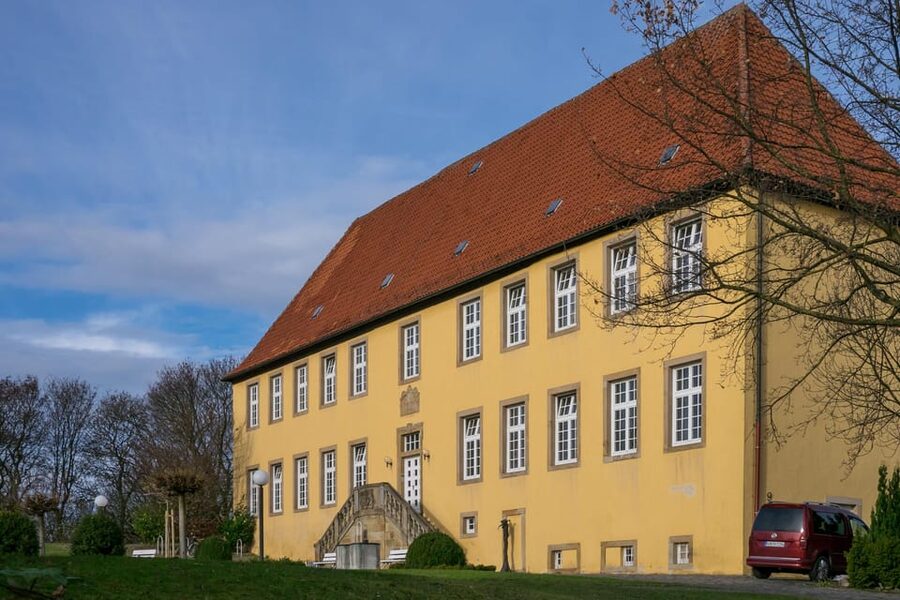
In addition to the older monastery church entry, the tour includes access to the Ameos Clinic. That is important because it links the Gertrudenberg site to more recent institutional use. The tour does not treat the location as a museum relic. It shows the continuity of how such spaces get repurposed and understood over time.
You should approach this stop with the right mindset. This is historical storytelling tied to real-world institutions, so keep it respectful, listen closely, and give the guide your full attention. You will learn why the tour includes clinic-related access, and how it helps explain the site’s overall timeline.
Group feel, pace, and how the two hours play out
The tour runs for two hours, which is a sweet spot. Long enough to cover multiple themes, short enough that you stay fresh. This is particularly helpful on a hill route. You get outdoor walking plus indoor stops, without feeling like you are trapped in a slow line.
It is also worth noting the tour is wheelchair accessible. That does not automatically mean every person will feel comfortable, because hill routes can still be physically demanding, but it does signal that the provider is thinking about access. Wear outdoor clothing and plan for moving on paths.
The tour is in German with a live guide. If your German is basic, you can still enjoy the structure and visuals, but you will get the most from it if you can follow the explanations. If language is a big issue for you, you might consider a different tour option, because this one leans on narrative storytelling.
Price and value at about $17 per person
At $17 per person for a two-hour guided experience, the value comes from a clear mix: guided interpretation plus entry to places you otherwise would not access. You are not just paying for walking. You are paying for access to the monastery church and Ameos Clinic areas, and for the guide to connect Gertrudenberg, Bürgerpark, caves, and the 1861 asylum into one coherent route.
That is also why the tour feels “worth it” even if you are not obsessed with history. The route gives you multiple types of interest in one block of time, church interiors, viewpoints, outdoor green spaces, and a major historical building. For many visitors, that range is more valuable than a tour that focuses on only one theme.
Also, there is something practical here: you do not need to plan multiple separate entries yourself. One guide, one route, and one story line that ties the hill together.
What to wear, and what to expect when weather turns
You are out in all wind and weather conditions. So treat it like a real outdoor walk, not a casual stroll you can dress for lightly. Bring weather-appropriate clothing, and outdoor clothing you are comfortable moving in.
This is the simplest tip, but it makes the biggest difference in how much you enjoy the tour. If you are cold or soaked, you will not enjoy the church interior as much. If you are comfortable, the stories land better because you can focus.
Finally, alcohol and drugs are not allowed. That is a good rule for a tour that includes both church and clinic-related spaces, where the focus should stay on respectful, guided learning.
Who this tour is best for
This is a strong match if you like:
- Guided history that includes architecture and real sites, not just general facts
- Walks that mix outdoors and meaningful interiors
- Stories with anecdotes and insider detail that keep you engaged
It is also a good choice if you want a unique Osnabrück angle. Gertrudenberg does not feel like a typical “top sights” list. It feels like a hill neighborhood story, where you see how parks, walls, church space, and 19th-century institutions overlap.
It is not a great fit if you are bringing children under 6. The tour is not suitable for them, likely because of pacing, outdoor movement, and indoor access components.
Should you book the Osnabrück Gertrudenberg-Erlebnistour?
If you want a short tour that gives you access, context, and a change of pace from the city center, I think this one is worth booking. The strongest reasons are the interior access, the Baroque monastery church stop, and the chance to see the 1861 Provinzialständische Lunatic Asylum interior, not just hear about it from outside.
If you dislike outdoor walking in shifting weather or you only want tours in English, then it may feel less comfortable. Otherwise, $17 for two hours, plus entry into special areas, is a solid value.
One last tip: go in with curiosity, not just checklists. Gertrudenberg rewards you when you listen for the connections, caves to walls, park to institution, viewpoint to layout. That is when the tour stops being “a walk” and becomes a real sense of place.
FAQ
How long is the Gertrudenberg-Erlebnistour?
The tour lasts 2 hours.
Where is the meeting point?
Meet vor der Klosterkirche auf dem Gertrudenberg at Gertrudenring 9, 49088 Osnabrück.
Is the tour guided in German?
Yes, the live tour guide speaks German.
Is the tour wheelchair accessible?
Yes, the tour is wheelchair accessible.
Is it suitable for young children?
No, it is not suitable for children under 6 years.
What should I bring for the tour?
Bring weather-appropriate outdoor clothing, since the tours run in all wind and weather conditions.
Fresh on the arrivals board for Osnabruck

Guided, compared.

Reichstag, Dome and Government District Guided Tour
Read our review →


1-hr Boat Tour with Bilingual Live Guide (DE/EN)
Read our review →