
Reviewed · DACHAU CONCENTRATION CAMP MEMORIAL TOURS
From Munich: Dachau Memorial Site Tour in Spanish
Dachau is heavy, and the guidance helps. I like how this tour gives you a structured, Spanish walkthrough of the Dachau Concentration Camp Memorial Site with an official guide who explains the history and the victims with care. It is not just a quick look, you actually move through the places where memory is kept.
What I really like is the mix of original buildings plus reconstructions, then a visit to the international memorial and other religious memorials. One drawback to know early: the tour is Spanish-only, and kids under 13 cannot join, so it is a strict fit for families or mixed-language groups.
In This Review
- Key highlights you will feel in real time
- Getting to Dachau: the Munich start that keeps things simple
- Start point nerves: how to avoid the most common mistake
- The permanent exhibition: where the story clicks into place
- Walking the remaining camp spaces: original buildings and reconstructed clues
- Roll-call, barracks, bunkers, and the crematorium stop
- International memorial and religious tributes: a broader lens
- The Spanish-only rule: when it helps, when it blocks you
- Time on the ground: what 5 hours feels like
- What you need to bring (and what you should leave behind)
- Price and value: is $40 fair for a 5-hour guided visit?
- Who should book this tour, and who should skip it
- Should you book the Dachau Memorial Site tour?
- FAQ
- Where do I meet for the tour?
- How long is the Dachau Memorial Site tour?
- Is the tour offered in languages other than Spanish?
- Are children allowed?
- What’s included in the ticket price?
- What is not included?
- What should I bring?
- Are pets or large bags allowed?
- Is there a minimum number of participants?
Key highlights you will feel in real time
- Official Dachau Memorial Guide in Spanish who keeps the visit clear and respectful
- Permanent exhibition that connects the camp’s history to what you see outside
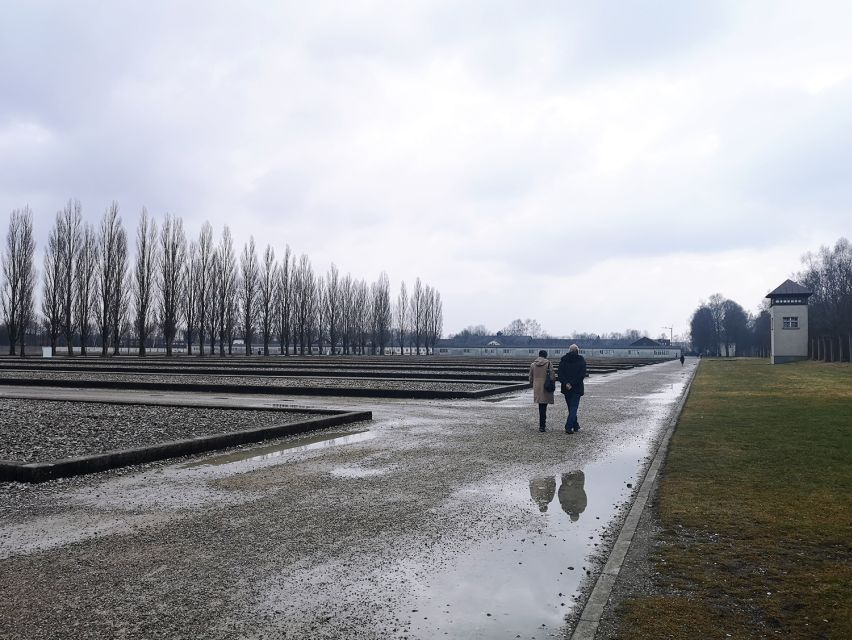
- Remaining original buildings and reconstructions that show how the camp functioned
- On-site stops including roll-call areas, bunkers, barracks, and the crematorium
- International memorial and religious memorials that broaden the meaning beyond one faith or country
- A 5-hour pace that is long enough to learn without turning into a rush
Getting to Dachau: the Munich start that keeps things simple
From Munich, you head to the Dachau Concentration Camp Memorial Site by train, and you go with your official guide. This matters because the site is not the kind of place you want to figure out on your own the first time. Having someone manage the flow means you can focus on understanding what you are looking at, not on transportation logistics.
Plan to arrive early, and treat the start point seriously. You meet under Karlstor Gate (at Karlsplatz) about 10 minutes before the tour starts. The instructions are clear: do not go hunting for buses. Instead, look for the guide waiting under the Karlstor arch at Karlsplatz.
Start point nerves: how to avoid the most common mistake
If you have ever shown up for a guided tour and ended up wandering around the wrong curb, you will appreciate how this one is set up. There is one main meeting location, under the arch, and the tour expects you to find the guide there, not a bus.
So do yourself a favor: set a small buffer, get your bearings around Karlsplatz, and then stand where the guide is supposed to be. It sounds basic, but at memorial sites, the first five minutes matter. You want to begin calm and ready, not stressed.
The permanent exhibition: where the story clicks into place
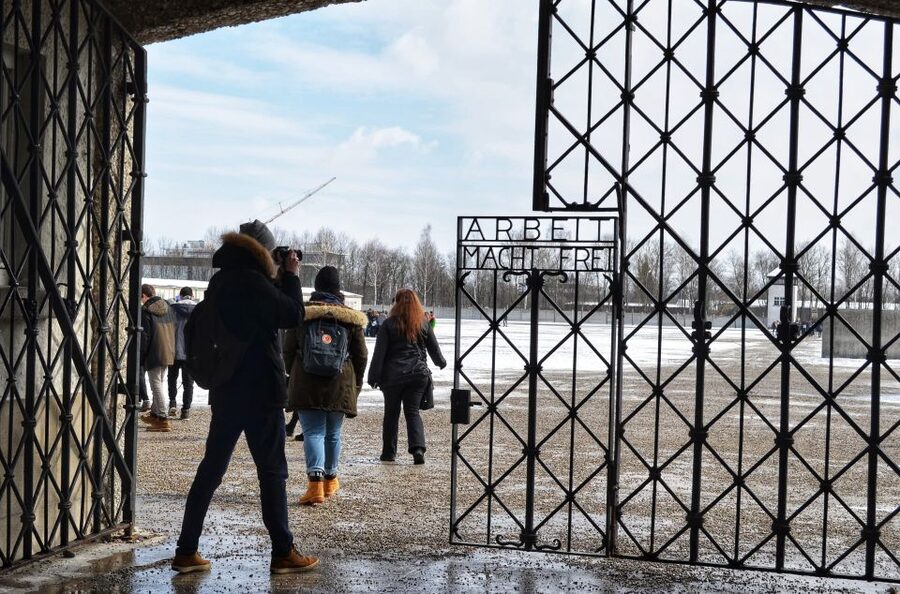
Once you are inside the memorial, the tour starts with the main exhibition, which lays out the history of the camp. This is the part that makes the outdoor spaces make sense.
The guide’s job is not only to list facts, it is to connect what you learn to what you walk past next. You will get background on the camp and the people held there, plus context about the victims. That context is what turns a site from scenery into understanding.
I also like that the exhibition is treated as the spine of the visit. You are not bouncing around randomly. You are learning, then you see the physical traces of what you just heard about.
Walking the remaining camp spaces: original buildings and reconstructed clues
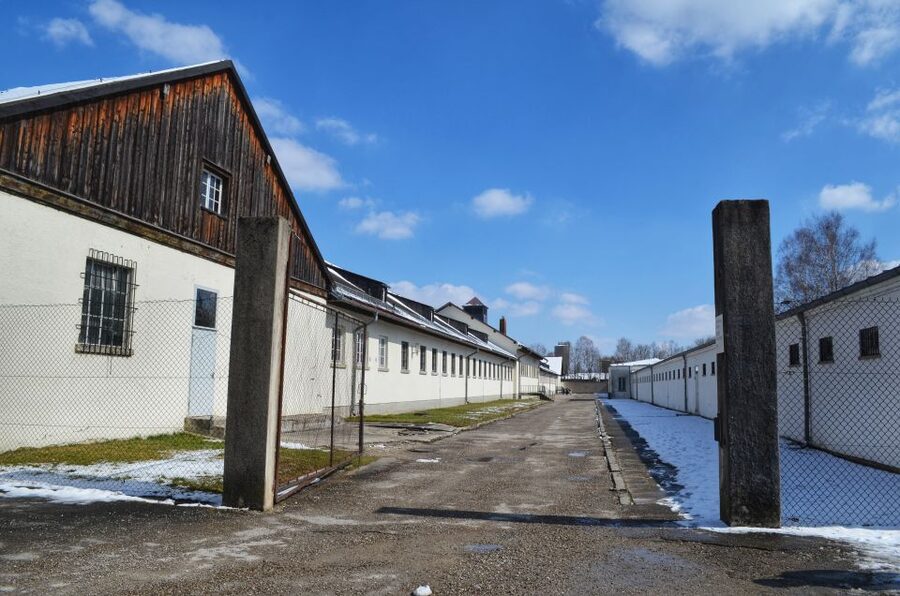
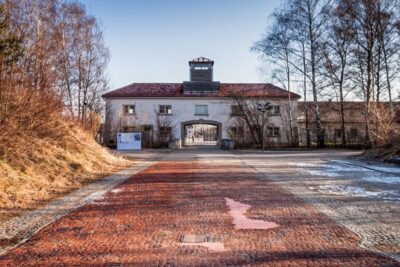
After the exhibition, you move through the memorial area and see remaining original buildings along with reconstructions. This mix is important. Original structures carry weight because they are direct remnants. Reconstructions help you understand layout and function when something no longer exists in the same way.
You will see the kinds of places you expect to hear about when the guide talks about imprisonment and forced confinement. The point is not shock value. The point is clarity. The guide helps you read the site, so you do not miss what each building and area is meant to communicate.
In a visit like this, pace is part of the respect. You get to look, then ask questions through the guide’s explanations. That is the difference between just walking and actually understanding.
Roll-call, barracks, bunkers, and the crematorium stop
This tour includes several specific areas: roll-call, bunkers, barracks, and the crematorium. That set of stops is what most people mean when they say they want to see the “real” camp spaces, not only a museum room.
Here is what makes this part valuable for you:
- Roll-call helps you understand routine and control as a system, not an isolated event.
- Barracks connect the idea of confinement to the physical reality of how people were housed.
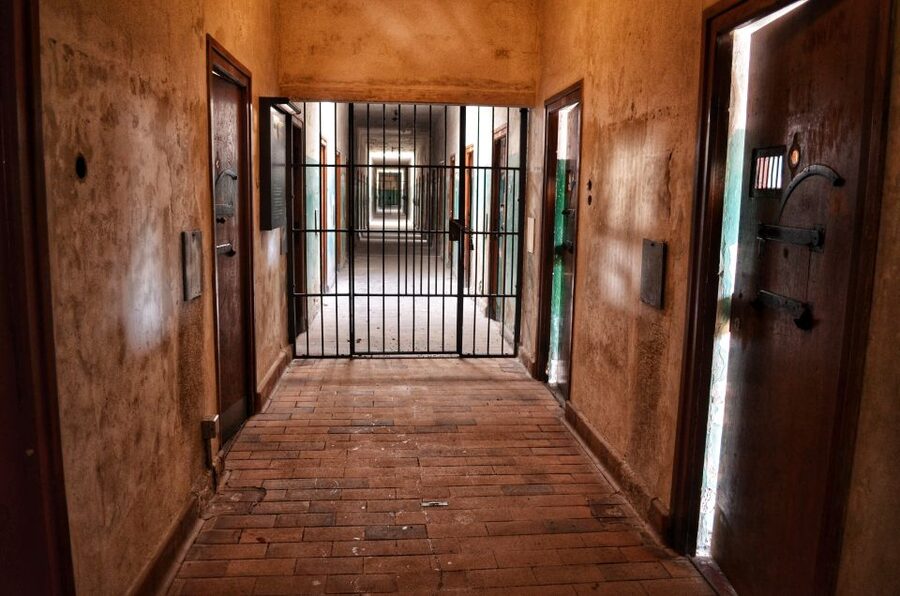
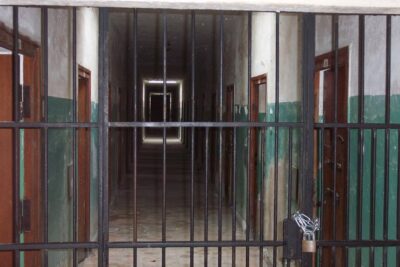
- Bunkers give you a sense of punishment and isolation within the camp structure.
- The crematorium is the portion of the visit where emotions run high, so having a guide who keeps a respectful tone helps you process what you are seeing.
The overall theme is that the guide takes you through areas in a way that supports the history you heard earlier. You are not left to guess what you are looking at.
International memorial and religious tributes: a broader lens
One of the most moving parts is the section with the international memorial and other religious memorials. These stops expand the meaning beyond a single group. Even without getting into extra detail that you might not be able to verify on-site, you can feel the message: memory is shared, and it is treated with dignity across borders and faiths.
This also changes the emotional tone of your visit. Early on, you are focused on history and place. Later, you are reminded that remembrance is ongoing, and that people come here for reflection, not entertainment.
The Spanish-only rule: when it helps, when it blocks you
This tour is exclusively guided in Spanish. If you do not speak Spanish, you cannot book it. That is not a small detail. It is the core of how you get value here.
I like this rule because it sets expectations. You are not paying for a tour that becomes a half-translation. You get a proper guide-led experience in one language, which usually means explanations are clearer and the group stays oriented.
On the other hand, if you are traveling with friends or family who do not speak Spanish, the tour may not be practical for everyone. And because the visit has an age restriction too, it is not an easy workaround for mixed groups.
Time on the ground: what 5 hours feels like
The tour duration is 5 hours, and it is built around a full memorial walkthrough: exhibition, main exhibition, camp buildings and reconstructions, and the multiple designated stops plus the memorials.
For most people, five hours is long enough to feel like you actually visited the place, not just passed through. It is also short enough that you are not stuck in fatigue without meaning. Still, be ready for a visit that asks for mental focus, and possibly emotional intensity.
What you need to bring (and what you should leave behind)
The practical list is simple. Wear comfortable shoes. That is the main requirement because you will be walking around the memorial grounds for hours.
Then there are the restrictions:
- No pets
- No luggage or large bags
- No food
This matters because memorial sites are not set up like theme parks. Leave extra items at the hotel or in your plans, so you are not dealing with bags during a visit that already requires concentration and respect.
Price and value: is $40 fair for a 5-hour guided visit?
The price is $40 per person for a 5-hour guided experience with an official Dachau Memorial guide speaking Spanish. What is included is the heart of the tour: the guide plus the guided visit through the memorial and its key areas.
What is not included is also clear: your transport ticket, plus food and drinks, and hotel pickup or drop-off.
So the real value question for you is simple: are you willing to spend a few hours learning properly with a guide, rather than doing it on your own? If you want context and guided interpretation, this price likely feels reasonable. If you were planning to keep costs extremely tight, you might prefer self-guided options, but you would give up the guided explanations that make the site easier to understand.
In my view, the best way to judge this is what you will take away. At Dachau, clarity and respectful pacing are not extras. They are the point.
Who should book this tour, and who should skip it
This tour fits best if:
- You speak Spanish and want a real guided explanation rather than rough translation
- You want a structured walk through the exhibition and major areas like roll-call and the crematorium
- You prefer a respectful, reflective tone supported by an official guide
It is not suitable if:
- You have children under 13, since that age group cannot participate
- You do not speak Spanish, since the tour is not open to non-Spanish speakers
- You need to bring pets, large bags, or food, since these are not allowed
Also, the tour requires a minimum of four participants to operate. If that minimum is not met, the local partner contacts you and offers an alternative, so it is worth checking what happens on your travel dates.
Should you book the Dachau Memorial Site tour?
Yes, if you meet the basic requirements and you want a guided, respectful visit with an official guide in Spanish. This is one of those places where the difference between reading about history and walking through the memorial is huge, and a good guide helps you read the site with care.
Book it if you are ready to:
- Spend time in the permanent exhibition
- Walk through key camp areas, not just admire the grounds
- Spend the day focused, with comfortable shoes and minimal baggage
Skip it if Spanish does not work for your group, or if you need a family-friendly option for children under 13. Then you will save yourself frustration and you will be able to choose an experience that fits your needs.
FAQ
Where do I meet for the tour?
Meet under Karlstor Gate (at Karlsplatz) about 10 minutes before the activity starts. Look for the guide waiting under the Karlstor arch.
How long is the Dachau Memorial Site tour?
The tour lasts 5 hours.
Is the tour offered in languages other than Spanish?
No. This guided tour is exclusively in Spanish. Non-Spanish speakers are not allowed to book.
Are children allowed?
No. Children under 13 are not allowed to participate in the guided tour.
What’s included in the ticket price?
You get a Spanish-speaking official Dachau Memorial guide.
What is not included?
Hotel pickup and drop-off, food and drinks, and the transport ticket are not included.
What should I bring?
Wear comfortable shoes. Beyond that, you should avoid bringing items that are not allowed.
Are pets or large bags allowed?
No. Pets are not allowed, and you also cannot bring luggage or large bags.
Is there a minimum number of participants?
Yes. The tour requires a minimum of four participants. If it does not meet the minimum, the local partner contacts you and offers an alternative.
Dachau Concentration Camp Memorial Visits
- Dachau Concentration Camp Memorial Site Tour from Munich by Train
★ 4.5 · 5,637 reviews - From Munich: Dachau Memorial Site Day Tour
★ 4.8 · 2,723 reviews - From Munich: Dachau Memorial Site Half-Day Trip
★ 4.7 · 2,526 reviews - From Munich: Dachau Memorial Site Full-Day Tour
★ 4.9 · 1,406 reviews
Dachau Concentration Camp Memorial Tours, compared.
Dachau Concentration Camp Memorial Site Tour from Munich by Train
Read our review →
Dachau Concentration Camp Memorial Tour with Train from Munich
Read our review →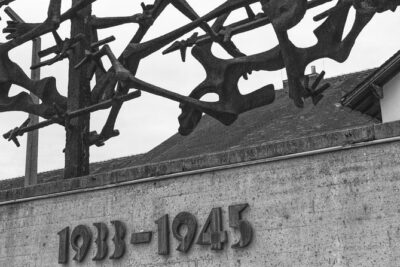
Early-Start Dachau Memorial Half-Day Tour from Munich
Read our review →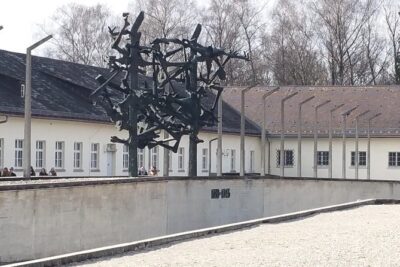
Guided Dachau Concentration Camp Memorial Site Tour with Train from Munich
Read our review →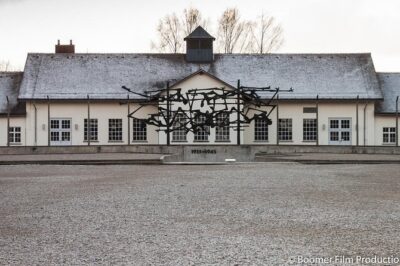
Full-Day Dachau Concentration Camp Memorial Site Tour from Munich
Read our review →Browse the lists this tour appears in