Reviewed · GERMANY
Der Klassiker RAVENSBURGER STADTGESCHICHTE
Ravensburg feels like a medieval map in motion. This classic Ravensburg City History walk links Marienplatz and Bachstrasse to the town hall, Kornhaus, and the upper museum district, finishing at the Obertor. I love how the guide connects the big-picture story of an imperial trading center to real streets you can point at, and I love the upbeat humor and situational flexibility, though it is German-only, so non-German speakers may miss some nuance.
Ravensburg is one of southern Germany’s best-kept historic cities, and this route is built to show you why. It traces how the city grew as an imperial city and as the seat of the Ravensburger trading company, eventually becoming the center of the Lake Constance region in the late Middle Ages. You get the core highlights: a historic old town feel, a focus on city gates and towers, and a stop at the Humpis Quarter Museum to see medieval living quarters.
With a duration of about 1.5 hours, it’s short enough to fit into a day, but structured enough to leave you with a clear mental map. Price is $14 per person, and you’re paying for guided context, not just walking around. One extra thought: if you like long independent photo breaks, plan a little free time before or after.
In This Review
- Key things to know before you go
- Why Ravensburg City History fits perfectly into a day trip
- Meeting at the Tourist Information by Lederhaus: keep it simple
- Marienplatz and Bachstrasse: start where the old town makes sense
- Town hall and Kornhaus: why trade shows up in stone
- The Evangelical City Church: a strong landmark for the city’s timeline
- The upper town and the museum district: when the walk turns into daily life
- Obertor and the city gates theme: closing with a landmark view
- Price and value for a 90-minute Ravensburg overview
- Who should book this guided walk (and who might skip it)
- Should you book Der Klassiker Ravensburger Stadtgeschichte?
- FAQ
- How long is the Ravensburg City History tour?
- Where do I meet the guide?
- What language is the live tour guide?
- Is the tour wheelchair accessible?
- What sights are included on the route?
- How much does the tour cost?
- What is the cancellation policy?
- Can I reserve and pay later?
Key things to know before you go
- Marienplatz first: you start right where Ravensburg’s center makes sense.
- Bachstrasse and the town core: you walk streets that help you understand how the city expanded.
- Gates and towers theme: the route is framed around the city’s defensive and landmark architecture.
- Humpis Quarter Museum stop: you go beyond monuments and get a feel for daily life in the Middle Ages.
- Humor plus history: expect a guide who teaches and keeps it light.
- German-only guidance: the tour is led in German, so language matters for how much you get out of it.
Why Ravensburg City History fits perfectly into a day trip
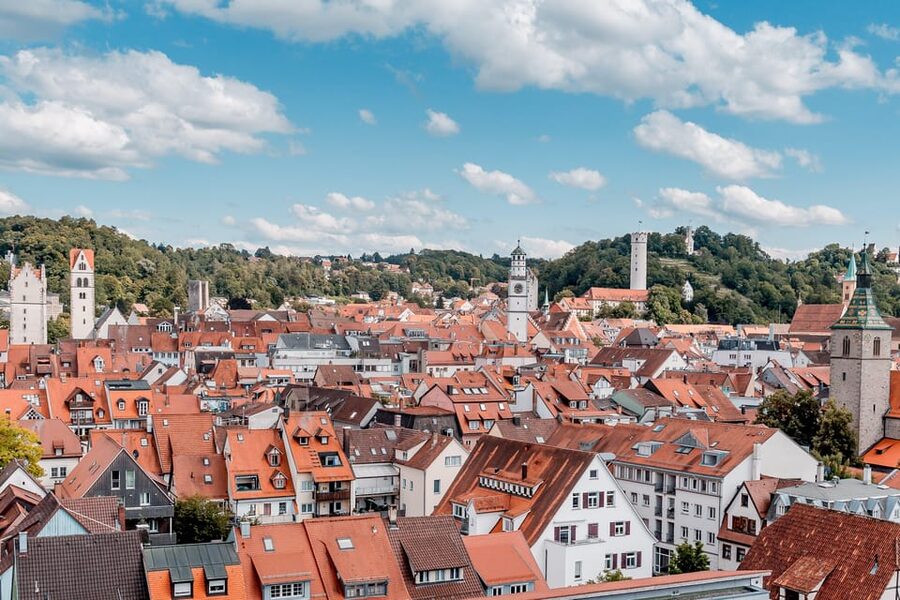
This kind of city-history tour is ideal when you want context fast. Ravensburg’s old town is still largely preserved, so it’s made for walking and for spotting patterns as you move. In 1.5 hours, you get a guided overview that explains how the city grew, not just a list of sights.
What I like about this format is that it feels like a guided timeline you can actually follow with your feet. The city’s rise as an imperial city, plus its role as the seat of the Ravensburger trading company, matters because it explains why certain buildings and districts exist the way they do. When a guide ties those forces to named places, you stop seeing the old town as random stone and start seeing it as a story you understand.
The route also keeps you moving through different “layers” of the city. You start in the core, then work toward the upper town area and the museum district. That shift is practical too, because it helps you understand how Ravensburg’s geography and urban planning shaped what people built.
Next departures posted for Ravensburg:
- Ravensburg: The city show “The Tower Keeper”
★ 4.3 · 5 reviews
Meeting at the Tourist Information by Lederhaus: keep it simple
You’ll meet at the Vordereingang Tourist Information, Lederhaus. Arrive a few minutes early so you can settle in, use the restroom if needed, and check where your group is gathering.
Since the tour is wheelchair accessible, plan on a route that works for a range of mobility levels, but still, you are walking. Wear comfortable shoes, and bring a light layer for weather changes, because southern Germany can swing from sun to drizzle without warning.
The good news is that you do not need to research anything complicated. The meeting point is clear, the tour duration is fixed at 1.5 hours, and the walk covers specific stops across the old town.
Marienplatz and Bachstrasse: start where the old town makes sense
Most historic cities have a core that acts like a compass, and in Ravensburg that role is taken by Marienplatz. Starting here helps you orient quickly, because squares like this usually concentrate key connections: sightlines, major streets, and public life.
From Marienplatz, the tour moves along Bachstrasse. This is the kind of street stop that often does more than look pretty in a photo. It’s where you start noticing the urban “grammar” of the city, meaning how streets run, where the important buildings face, and how the city’s medieval layout still shapes what you see today.
A guided walk through named streets is especially useful if this is your first visit. Without a structure, it’s easy to wander and feel like you’ve seen things but not understood them. With a guide, each street becomes part of the explanation, not just scenery.
Town hall and Kornhaus: why trade shows up in stone
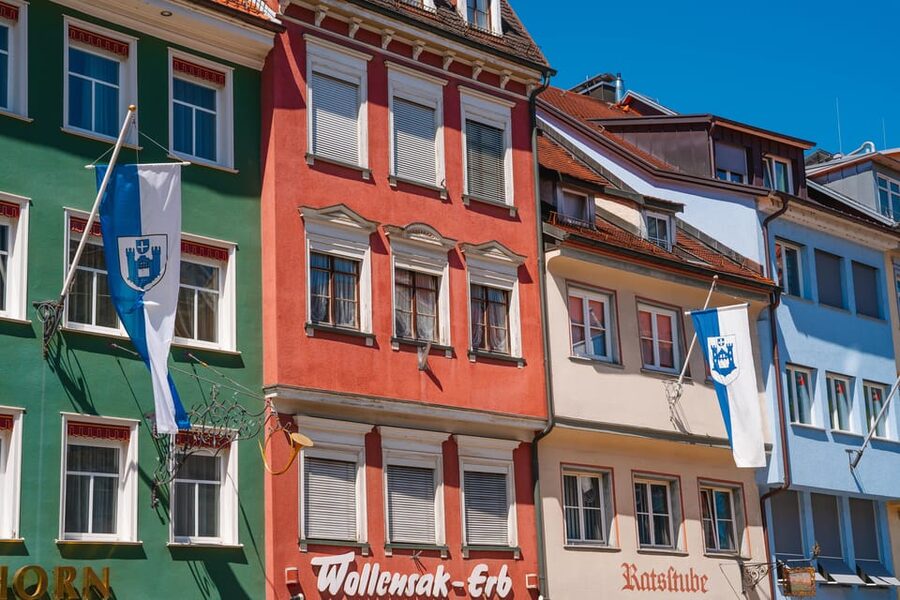
Two of the major named stops are the town hall and the Kornhaus. Even if you only skim the exterior details, these are the kind of buildings that signal civic power and economic strength.
Ravensburg grew into a center of the Lake Constance region in the late Middle Ages, and that kind of rise does not happen without organized commerce. A tour like this gives you the reason behind the architecture, because it frames Ravensburg as both an imperial city and a trading center tied to the Ravensburger company.
When you stand near the town hall, you’re looking at authority in public form. When you stand near the Kornhaus, you’re in the zone where economic life would have left its mark. I like that the tour does not treat these as random landmarks. It connects them to the city’s growth, so you understand what you are looking at instead of memorizing names.
The Evangelical City Church: a strong landmark for the city’s timeline
Next up is the Evangelical City Church. Churches like this usually function as more than places of worship, they act as anchors for how a town organizes space and identity. In a short 1.5-hour tour, stopping at a church can help you reset your mental timeline because it gives you a clear, recognizable landmark.
The value here is in the guide’s structure. The tour covers major eras and origins, and the church stop helps translate that into something you can see. You can think of it as a “fixed point” in the walk, something stable while everything else is explained around it.
If you enjoy architecture and want your history lesson to feel grounded, this stop is a good one to pay attention to. Even if you do not go inside, you can still pick up what the building communicates to the city’s story.
The upper town and the museum district: when the walk turns into daily life
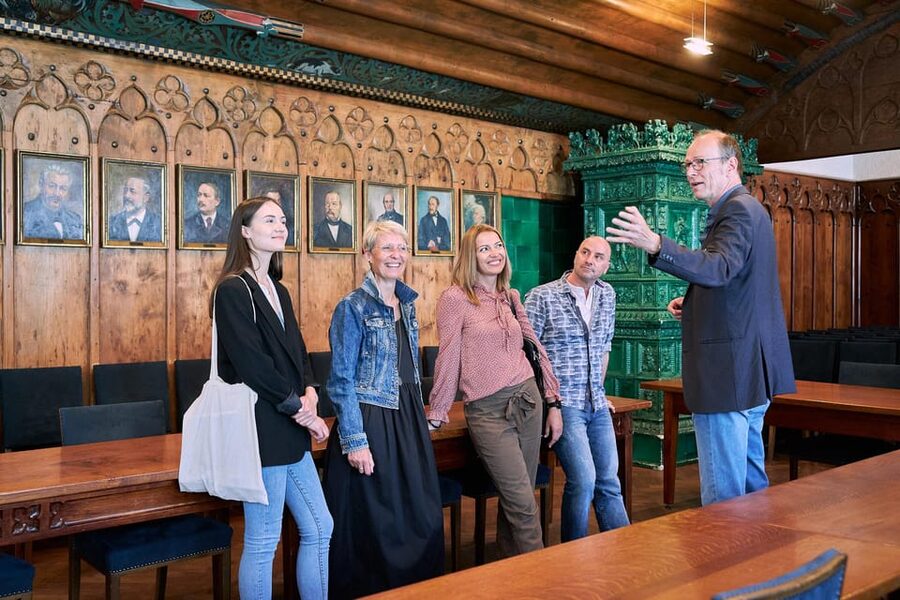
As the tour moves into the upper town area, you start getting that sense of stepping from postcard Ravensburg into a more detailed understanding. The upper town is where the route transitions toward the museum district, so you’re shifting from streets and civic landmarks to lived experience.
That brings you to the Humpis Quarter Museum, one of the highlights tied to medieval living quarters. This stop matters because it balances the story. Looking at gates, towers, and public buildings explains power, defense, and trade. But medieval daily life is what makes the Middle Ages feel human.
Even with only one museum stop, you should leave with a better sense of what “living quarters” implies. It’s not just castles and churches. It is how people worked, ate, and moved through cramped spaces, and how a city’s prosperity shaped housing and neighborhood life.
This is also where you may feel the most difference from a purely monument-based walk. If you’ve done tours that only mention facades, this one typically feels more grounded because it pushes into the daily-life side of history.
Obertor and the city gates theme: closing with a landmark view
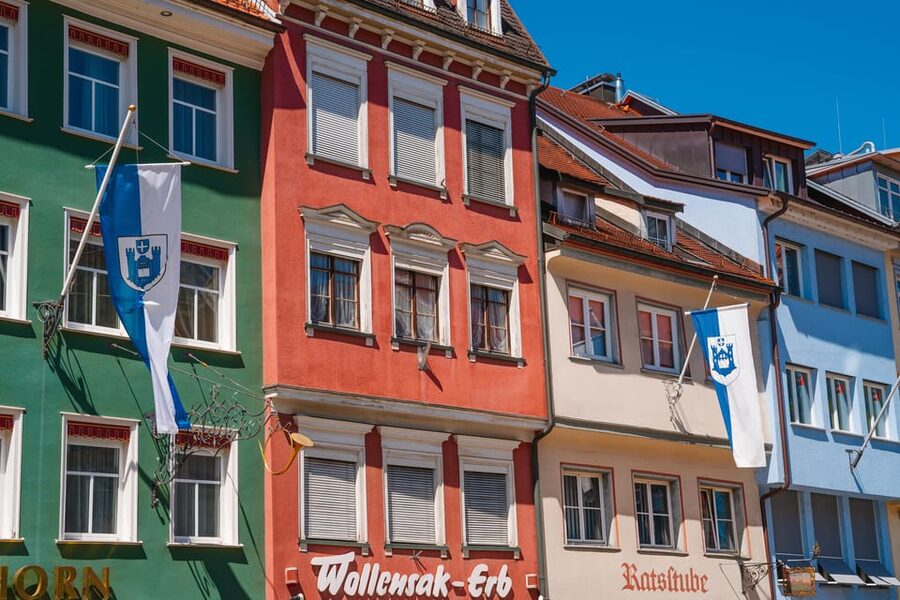
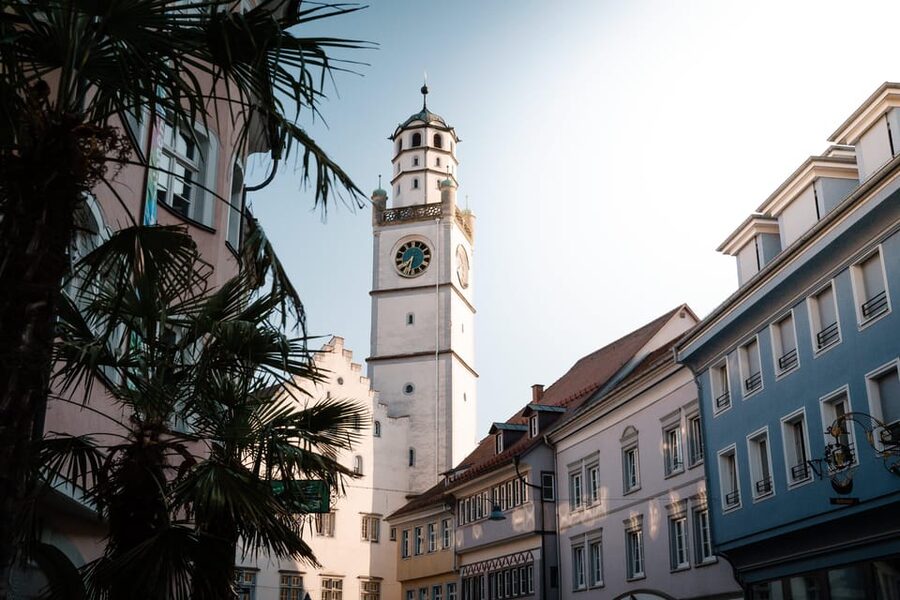
The tour finishes at Obertor Ravensburg. That matters because “where you end” often becomes the strongest visual memory. An end at a gate ties the whole walk together with a single idea: Ravensburg was built and organized with protection in mind.
A city of gates and towers is not just a decorative theme. It reflects how cities thought about borders, access, and control. When you reach the final stop, you have already walked through the civic and economic points, plus the museum district that shows daily life. So the gate ending feels logical, not random.
If you like taking photos, this ending spot is usually the time to slow down. You’ve had the structure of a tour, and now you get a clean, memorable payoff point before you head back into your own time.
Price and value for a 90-minute Ravensburg overview
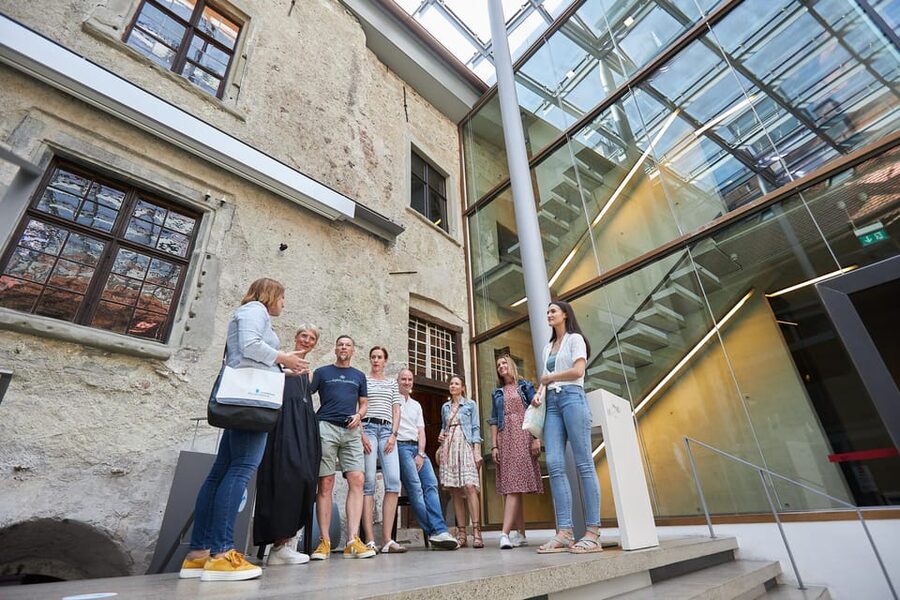
At $14 per person for 1.5 hours, you’re paying for three things: a real guide, a curated route through the old town, and explanation that links places to eras. You are not buying a long museum ticket or a multi-day program. You are buying orientation plus context, which is often the smartest kind of spending on a short visit.
Where the value really shows is in how the tour is built to include multiple named stops. You get Marienplatz, Bachstrasse, the town hall, Kornhaus, the Evangelical City Church, the upper town with the museum district, and the Humpis Quarter Museum, then you end at Obertor. That’s a lot of structure for a short time.
The strong feedback around the experience also points to pacing and personality. People consistently highlight that the tour stays engaging, includes humor, and keeps reacting to what the group needs. That kind of delivery matters because history can turn dry fast. When it stays lively, you retain more and you enjoy the walk more.
One value caution: because the tour is in German, it is easier to fully appreciate the nuance if you speak at least conversational German. If you do not, you can still enjoy the architecture and atmosphere, but you might not catch every historical thread.
Who should book this guided walk (and who might skip it)
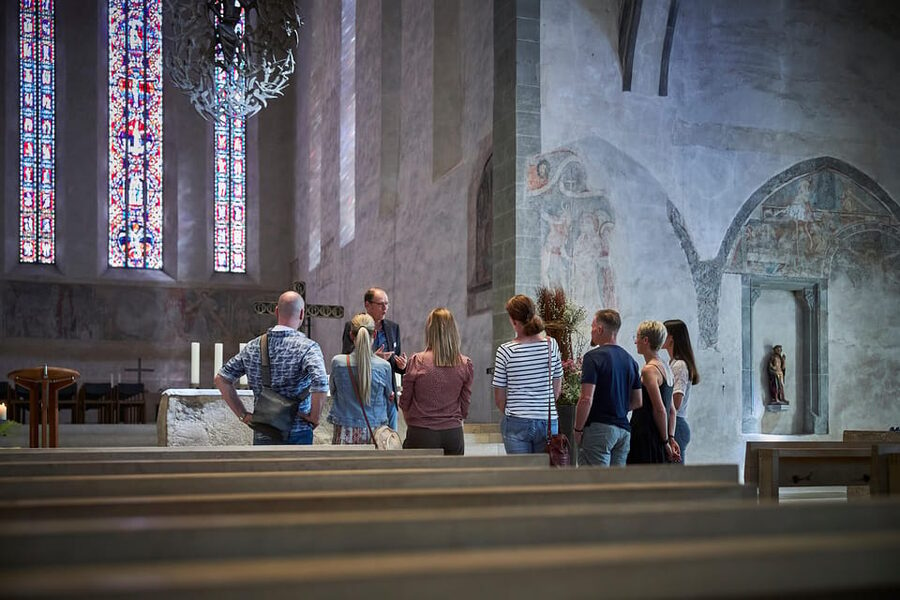
This tour is a great fit if you want a fast, guided overview of Ravensburg’s historic core. It’s also ideal if you enjoy walking between specific, named sights and you like your history explained through place-based context.
It’s particularly good for people who like both sides of medieval life: the visible power of city landmarks and the more intimate feel of medieval living quarters in the Humpis Quarter Museum. If you tend to learn better when someone narrates the story as you move, this style will work well.
It may be less ideal if you want a fully self-paced experience. The route is designed for a 1.5-hour guided flow, and you might feel rushed if you prefer unstructured wandering. It also requires German, so language comfort affects enjoyment.
Should you book Der Klassiker Ravensburger Stadtgeschichte?
I’d book it if you’re visiting Ravensburg for the first time and you want the clearest orientation possible in a short window. The mix of old town landmarks, the city gates and towers theme, and the Humpis Quarter Museum stop makes this more than a quick photo loop.
I’d think twice if you do not speak German and you want to understand everything in detail. I’d also add a practical buffer to your schedule. After the tour ends at Obertor, you can comfortably continue exploring at your own pace while the story is still fresh in your mind.
If you like your walking tours to be structured, funny, and meaningful without being long, this one is a strong choice.
FAQ
How long is the Ravensburg City History tour?
The tour lasts about 1.5 hours.
Where do I meet the guide?
The meeting point is Vordereingang Tourist Information, Lederhaus.
What language is the live tour guide?
The live tour guide speaks German.
Is the tour wheelchair accessible?
Yes, the tour is wheelchair accessible.
What sights are included on the route?
The tour includes stops such as Marienplatz, Bachstrasse, the town hall, the Kornhaus, the Evangelical City Church, the upper town with the museum district, and the Humpis Quarter Museum, finishing at Obertor Ravensburg.
How much does the tour cost?
The price is $14 per person.
What is the cancellation policy?
You can cancel up to 24 hours in advance for a full refund.
Can I reserve and pay later?
Yes, you can reserve your spot and pay later.