Reviewed · TICKETS
Cologne: Virtual Reality Time Travel Experience Ticket
Cologne from 1926 feels like a game. You start in the Lichtspielhaus film set, meet hatter Tessa in the Riedschneider hat store, then ride a replica electric streetcar with vibrating motion and take in undestroyed landmarks like the Cologne Cathedral area. I love the 1926 VR tram payoff and the chance to try on period hats. The tradeoff is that the whole story runs about 45 minutes, and the VR headset can feel warm.
The tour is a live, indoor production, so it works well when Cologne is rainy or when you want something that moves at a tourist pace. You get a German and English live guide, plus character-driven storytelling with Tessa and the streetcar driver Pitter. It’s mostly visual, and it’s suitable for people who wear glasses.
One more thing to consider: it is short by design, and a few people report minor audio and tech hiccups. If you’re the type who wants hours of guided history, plan for extra time afterward to walk the streets and compare what the VR shows with what’s still there today.
In This Review
- Key Highlights at a Glance
- VR Tram Time Travel in Cologne: What You Actually Do in 45 Minutes
- In the Lichtspielhaus: 1920s Movie Palaces and a Quick Cologne Primer
- The Hatters Store With Tessa: Why the 1920s Hat Culture Still Feels Fun
- The VR Streetcar Ride: See Undestroyed Köln in 1926
- British Occupation, Spanish Flu, and the Aftermath Story Thread
- Price and Value: Is $26 Worth 45 Minutes?
- Practical Tips Before You Go (Especially for VR)
- Who Should Book TimeRide in Cologne
- Should You Book This VR Time Travel in Cologne?
- FAQ
- How long is the TimeRide Cologne experience?
- Where does the experience take place?
- What is included in the ticket price?
- Is food or drinks included?
- What languages are available for the live tour guide?
- Is it suitable for people who wear glasses?
- Are children allowed?
- Can I bring a pet?
- Is flash photography allowed?
- Is wheelchair access available?
Key Highlights at a Glance
- A 45-minute, three-part story with cinema, hat shop, and VR tram
- Guides with character names: hatter Tessa and driver Pitter
- 360-degree 1926 Cologne views of landmarks that have changed over time
- A replica streetcar ride with vibrating motion and an airstream
- Hands-on fun in the hat store, including trying on hats
VR Tram Time Travel in Cologne: What You Actually Do in 45 Minutes
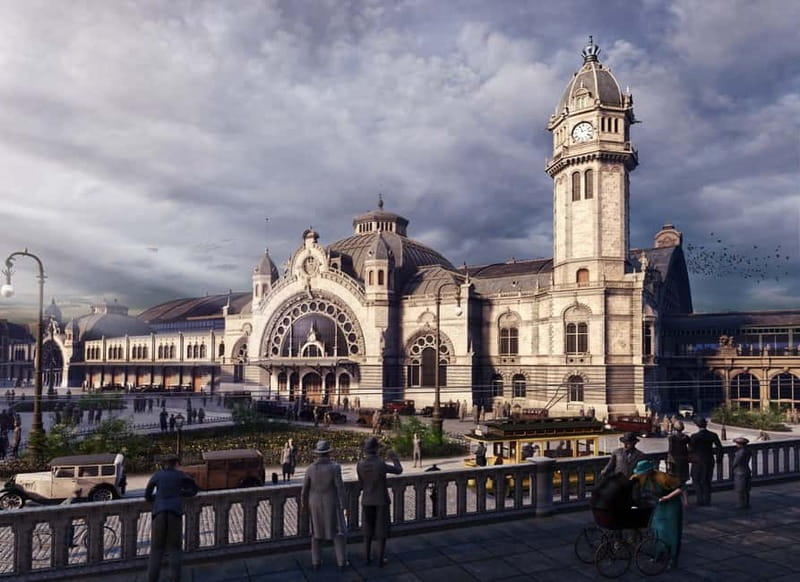
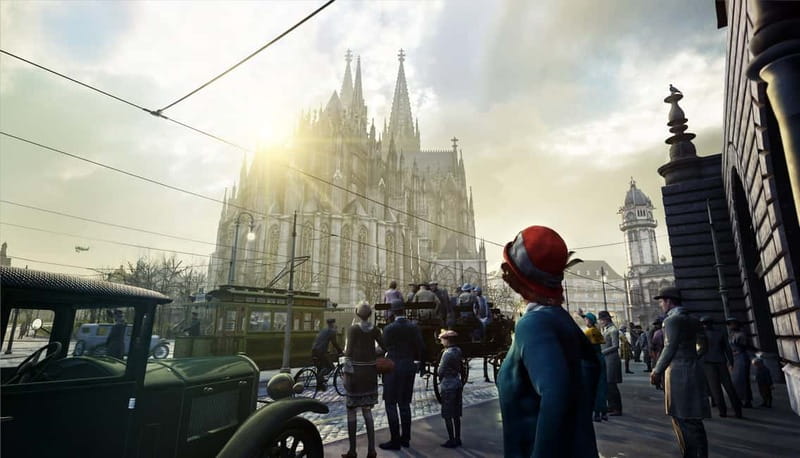
This is one of those clever Cologne experiences that doesn’t ask you to sit still and “learn.” You watch a short 1920s cinema segment, you get pulled into Tessa’s hat world, and then you put on VR goggles for the main event: a ride that shows Cologne as it looked in 1926, before the later destruction of World War II.
The duration matters. At about 45 minutes, you’re getting a concentrated story arc, not a half-day lecture. For most people, that’s a plus. Kids over 6 can usually handle the pacing, and you can still enjoy the city afterward without feeling like you burned your whole day inside.
The vibe is very “early 20th-century Germany meets interactive tech.” You are moving between rooms, and the production makes the time period feel personal. If you hate lines and prefer a controlled, comfortable experience, you’ll likely appreciate that the ticket includes skip-the-line entry.
Who should go? History and culture fans who like a story, families who want a rainy-day option, and first-timers to VR who want something guided and easy to follow. If you only want modern Cologne, or you expect a long documentary-style explanation, this may feel brief.
In the Lichtspielhaus: 1920s Movie Palaces and a Quick Cologne Primer
You begin in the cinema room, styled like a 1920s theater, the Lichtspielhaus. The concept is simple and effective: movie palaces were a major part of everyday life, and your intro film uses that idea to set the scene for Cologne in the 1920s.
Why this opening works: it gives you visual context fast. Even if you don’t know a lot about Cologne’s past, the film helps you “read” what you’ll see later in the VR. You also get a sense of the mood of the period, including the idea that entertainment and information were tied together.
Time-wise, this is about 15 minutes. That’s short, but it’s designed to keep you moving to the next act. One downside for some people is the speed. You might feel like you only got a taste and then you’re already changing rooms. Still, that pacing is part of the value, because it sets up the VR ride as the payoff.
Look for little cues in the film. The production leans into what everyday life felt like then, which makes the later tram view feel less like a random “wow” and more like a story continuing.
The Hatters Store With Tessa: Why the 1920s Hat Culture Still Feels Fun
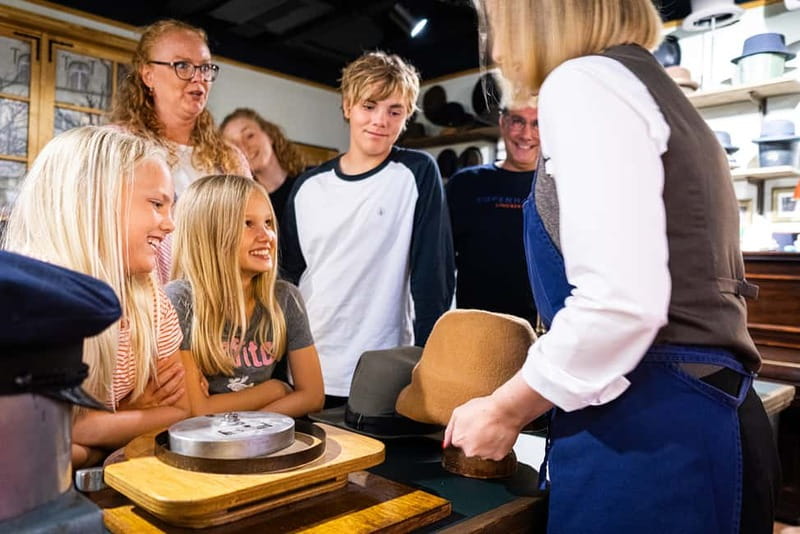
Next comes the hatter’s store, where you meet Tessa, a hat shop character connected to the Riedschneider family. This is more than a costume shop stop. It’s the culture lesson you actually remember because it’s hands-on.
In the 1920s, hats were a kind of social language. The tour plays that idea straight, with the hat choice meaning something about the wearer. You’ll see a lovingly decorated store and learn about hat-making through examples linked to the Diefenthal hat maker family in Cologne.
And yes, you can try hats on. That shows up clearly in how people describe the experience, and it makes sense. When you put something on your head, the story sticks.
This act is also about 15 minutes, and it ends with an urgent special order for Tessa that needs to reach Neumarkt on time. The whole point is to tee up the streetcar ride. You’re not just learning about hats, you’re waiting for the hat delivery to make it into the next scene with Pitter, the streetcar driver.
Potential drawback: because it’s part of a tight schedule, you won’t have a huge amount of time for a long chat with the guide in this section. If you really want to linger, you can do that after the tour by asking a question or two while you still have staff time.
The VR Streetcar Ride: See Undestroyed Köln in 1926
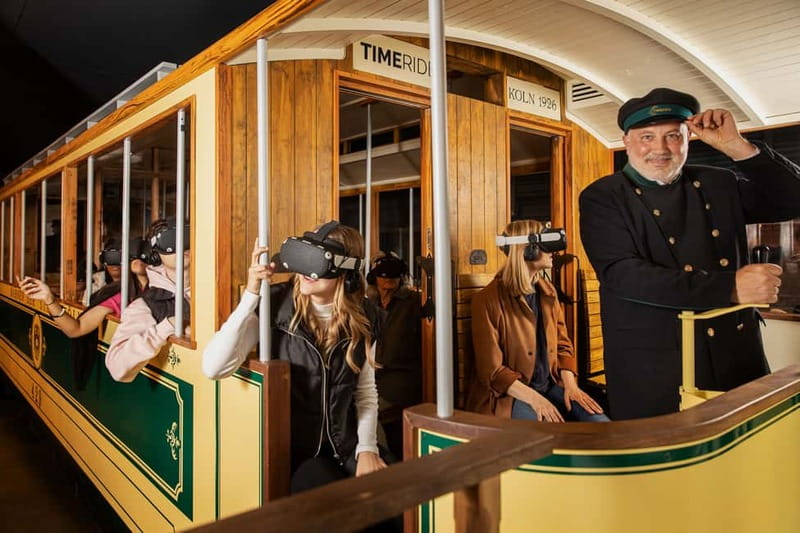
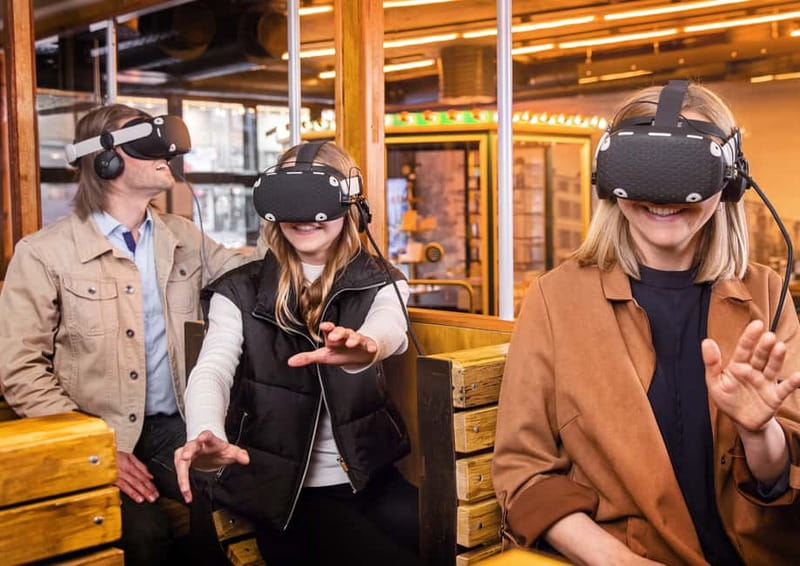
This is the reason most people buy the ticket. You put on the VR goggles and go into the virtual ride with the first electric Cologne streetcar, taking in a 360-degree panoramic view of old Cologne as of 1926.
In the VR, you can spot iconic places that many visitors know today, and you get a feeling for what’s changed. The production calls out several major landmarks, including the surroundings of Cologne Cathedral, the old main train station, the Schauspielhaus theater, and the city hall area associated with Konrad Adenauer. You’ll also travel through the visual geography that later modern Cologne sits on top of.
Then you hit the finale around Neumarkt, where the trip ends with a lively carnival scene. It’s a fitting ending. You start with a theater, you move into a hat shop, and you land in street life and celebrations. That structure helps the time travel feel like a full day in miniature, not just a single “ride.”
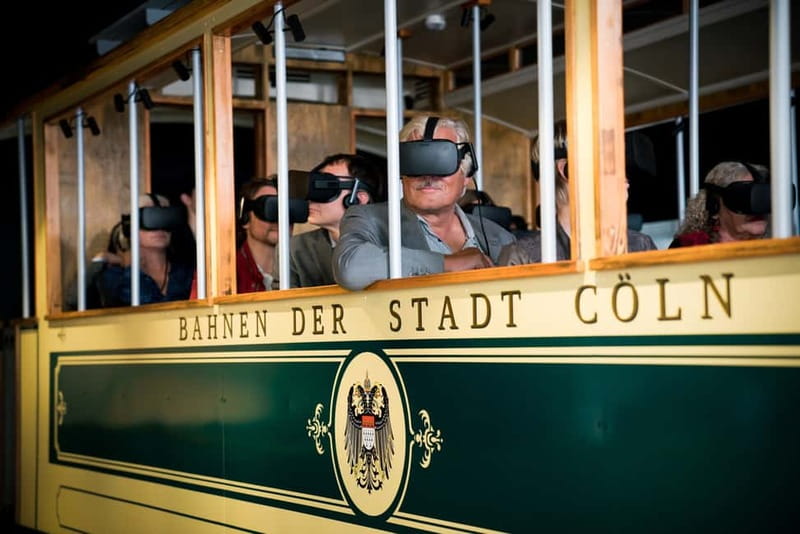
The physical ride element matters too. The streetcar replica includes vibrating movement and an airstream, which adds a body-level layer to the VR. It’s one of those details that makes the whole thing feel more real than a screen-only experience.
Two practical considerations. First, the entire VR segment is still part of a 45-minute total timeline, so it can feel short. Second, VR headsets can get stuffy. If you run hot easily, plan for that. Wearing glasses is fine, since the experience is set up for people who use them, but you’ll still want to be comfortable for the length of time you wear the goggles.
British Occupation, Spanish Flu, and the Aftermath Story Thread
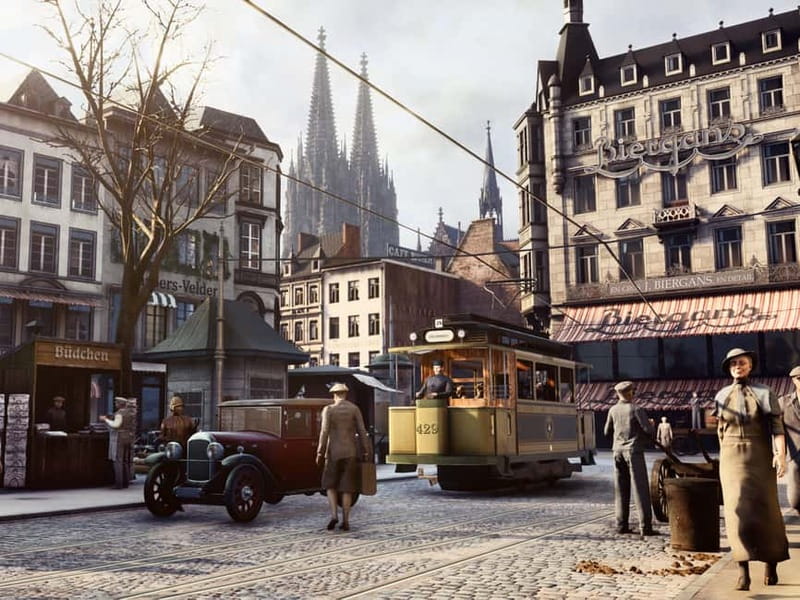
One of the more interesting parts of the production is the historical framing. Your time travel isn’t just about architecture. The story thread points to a rough period after the end of the First World War, including the British occupation and the Spanish flu.
Why that matters for your experience: it gives the 1920s scenes emotional weight. When you look at streets and buildings, you’re not only thinking about what looked pretty. You’re also thinking about a society rebuilding under pressure, where daily life kept going anyway. That contrast is part of what makes the VR feel more meaningful.
You still get the fun parts, like the hats and the carnival ending. The production doesn’t turn into a heavy museum lecture. It mixes the cultural side of the twenties with a reminder that the twenties came after a major rupture. That balance is a big part of the appeal for families, too. Kids get visuals and story moments, while adults get context without needing to study first.
If you love history, you can use this as a springboard. After the tour, you’ll likely notice more street details and building locations because your brain already mapped them in the VR.
Price and Value: Is $26 Worth 45 Minutes?
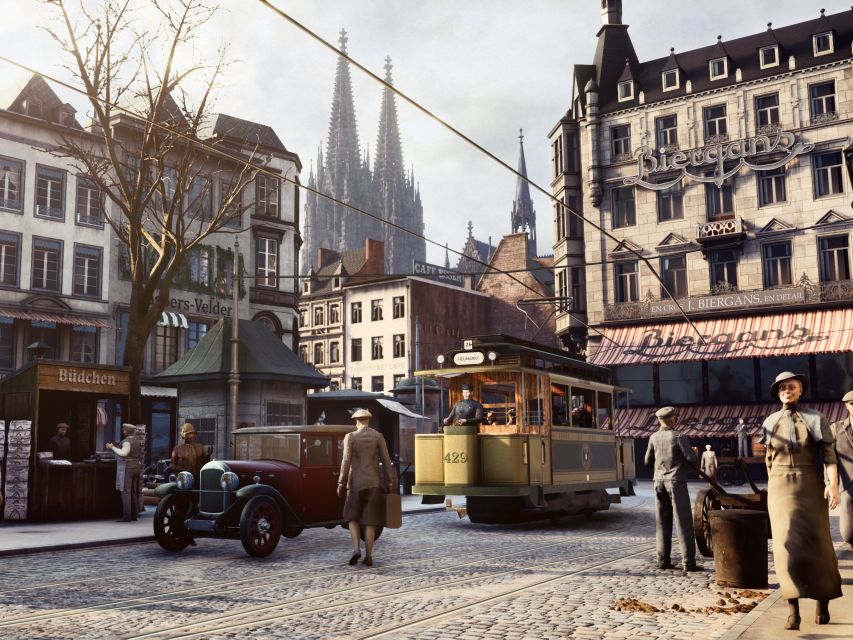
At about $26 per person for a 45-minute guided, multi-room experience, the value depends on what you want from Cologne.
Here’s the smart part: your ticket includes the entrance, the technical equipment, and all fees and taxes. So you’re not hit with surprise add-ons once you’re inside. You’re paying for a full production, not just for a VR app.
What’s not included is also clear: no food and drinks. That means you can treat this like an add-on stop, not a meal plan replacement. If you schedule it before dinner, you can keep your day smooth.
Is it expensive? It can feel that way if you’re comparing it to a single-site museum ticket. But compared with other tech-driven attractions, the time is well managed. You get both story context and the VR ride, plus the tactile streetcar motion effects.
My take: it’s a strong value if you’re traveling with mixed interests (history lovers, tech curious folks, and kids). It’s less of a slam dunk if you already know you want only outdoors walking and long explanations.
Practical Tips Before You Go (Especially for VR)
A few things will make your visit feel smoother.
- This experience is mostly visual, so don’t expect a long purely verbal lecture. If you like seeing and following a plot, you’ll be happy here.
- People who wear glasses can use it. Still, take a moment to wipe your glasses clean before you start, since VR sessions can highlight smudges.
- No flash photography. Keep your phone ready for afterward street photos, not inside the VR room.
- Pets aren’t allowed. Plan for a pet-free outing.
- The tour is not suitable for children under 6. For younger kids, you’ll lose the pace and the focus of the story.
If you’re sensitive to VR heat or discomfort, give yourself a small buffer. I’d avoid starting this right after a long, sweaty walk. And if you’re prone to motion discomfort, pay attention to how you personally react to VR games or headsets, because you are also adding physical movement in the replica streetcar.
One more practical note: some people report minor tech issues or audio quirks. That’s not guaranteed for every tour time, but if it happens, keep your expectations flexible. The big visual payoff usually still comes through.
Who Should Book TimeRide in Cologne
Book this if you want a short, story-driven way to see how Cologne looked before later destruction in World War II, and you enjoy VR that’s guided by a live cast.
It’s especially good for:
- Families needing an indoor option that still feels active
- History and culture fans who like context delivered through characters
- First-time VR users who want a structured experience
Skip it (or at least think twice) if:
- You dislike VR headsets or get uncomfortable quickly
- You want a long, detailed history lesson with lots of time for questions
- You’re only interested in modern architecture and street scenes, not the 1920s story set-up
Should You Book This VR Time Travel in Cologne?
I think it’s a worthwhile booking for most first-time visitors and many repeat visitors, because it shows familiar landmarks in a way that walking alone can’t replicate. The combination of Tessa’s hat story, Pitter’s streetcar angle, and the 360-degree VR view gives you a memory you can compare later when you walk around Neumarkt and the Cathedral area.
If you’re short on time, it’s also easy to fit. Forty-five minutes is not a commitment that derails your day. Just go in expecting a visual, story-forward experience, not a deep, hour-by-hour historical seminar.
FAQ
How long is the TimeRide Cologne experience?
It lasts about 45 minutes.
Where does the experience take place?
It’s in Cologne, Germany.
What is included in the ticket price?
The entrance ticket, technical equipment, and all fees and taxes are included.
Is food or drinks included?
No, food and drinks are not included.
What languages are available for the live tour guide?
German and English.
Is it suitable for people who wear glasses?
Yes, it’s suitable for people who wear glasses.
Are children allowed?
Children under 6 years old are not suitable.
Can I bring a pet?
No, pets are not allowed.
Is flash photography allowed?
No, flash photography is not allowed.
Is wheelchair access available?
Yes, it is wheelchair accessible, with space for one wheelchair per tour.
Tickets, compared.
Munich Hop-On Hop-Off Tour: 1-Day or 2-Day Ticket
Read our review →