Reviewed · TICKETS
Berlin: Entry to Alte Nationalgalerie
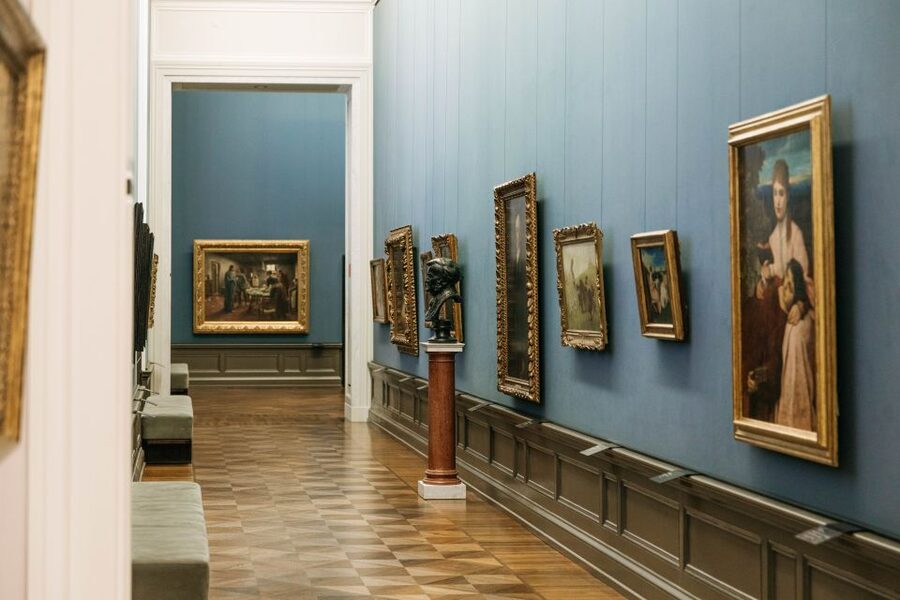
Art on Museum Island feels like a time machine. The Alte Nationalgalerie is one of my favorite ways to sample 19th century German and French art in one compact visit, with rooms that move you from Classicism to Impressionism and early Modernity. I also like the included audio guide, because it helps you slow down for the big works like Friedrich’s The Monk by the Sea and Menzel’s Eisenwalzwerk.
Do note one practical snag: some galleries can be closed on the day, including rooms people usually choose for the Impressionist paintings, so your exact best path may change. Still, even when a floor is restricted, the museum layout and the way the collection hangs make it easy to keep momentum.
In This Review
- Key things to know before you go
- Step inside Alte Nationalgalerie, right where the classics begin
- Ticket value: why $14 makes sense here
- How this museum grew into a 19th century art anchor
- A walk through eras: Classicism to early Modernity
- Friedrich and Menzel: the masterpieces you should not miss
- Romanticism, the era of Goethe, and why the museum feels theatrical
- Sleeping Beauty and the Count von der Mark tomb
- When floors close: how to protect your Impressionist plan
- Using the audio guide like a smart local
- What you can actually expect from your “museum entry” day
- Who should book this entry ticket
- Should you book this Alte Nationalgalerie entry ticket?
- FAQ
- What is included with this Alte Nationalgalerie ticket?
- How much does the ticket cost?
- How long is the ticket valid?
- Where do I meet for the entry?
- Are skip-the-line tickets included?
- Is the museum wheelchair accessible?
- Is a backpack allowed inside?
Key things to know before you go
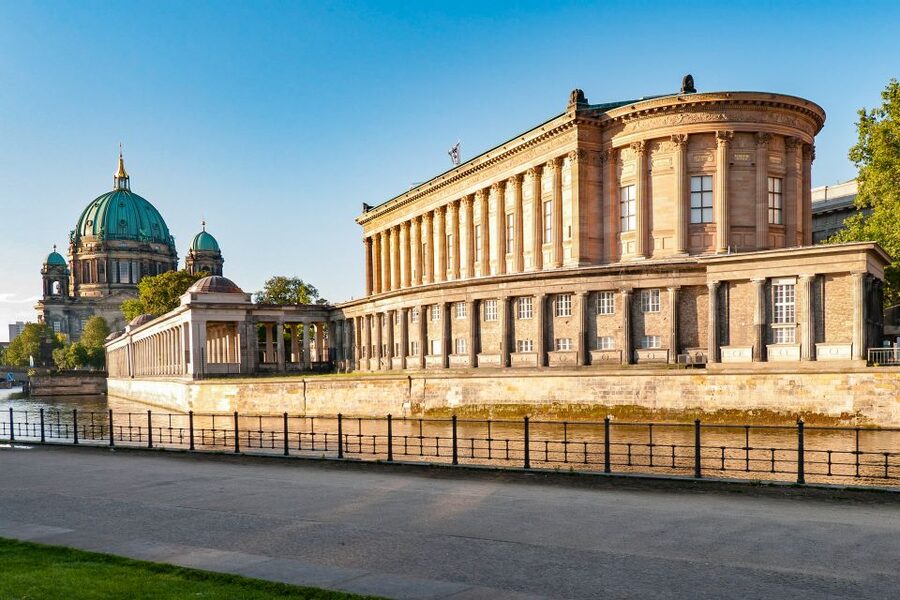
- Museum Island UNESCO setting: the gallery sits on the Spree Island cluster of museums, right in the historic heart of Berlin.
- Skip the ticket line with your entry ticket plus an included audio guide.
- Major 19th century names show up here, including Friedrich, Menzel, Manet, Monet, and Renoir.
- Sculpture and memorials matter as much as painting, including Sleeping Beauty and the marble tomb of Count Alexander von der Mark.
- Plan for room closures: at least once, the Impressionist floor or another level was shut during visits.
Step inside Alte Nationalgalerie, right where the classics begin
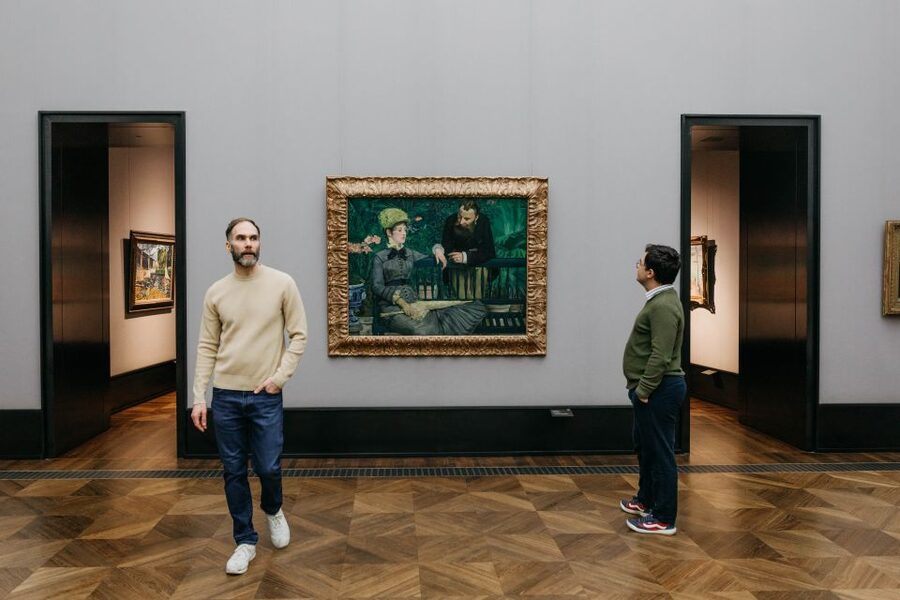
The museum experience starts fast, and that is a good thing. The meeting point is the Visitor’s Entrance of the Alte Nationalgalerie on Bodestraße, so you can walk straight to the front door without playing guessing games.
What I like most about this entry is that you are not paying extra for the “tour wrapper.” You get the museum ticket and an audio guide, then you choose your pace inside. For many people, that feels more relaxing than being pulled along a strict route.
One more small detail that helps: you need to enter the museums within 15 minutes of your booked timeslot. If you are late, you can lose your window. Build a little buffer, especially on a busy museum day.
Ticket value: why $14 makes sense here
At around $14 per person, this entry is good value if you want a high-impact museum stop without adding a long list of extras. You are paying for admission plus an audio guide, and you also get the benefit of skipping the ticket line.
That combination matters in Berlin. Museum Island can move slowly at peak times, and saving that wait turns the day from “good idea” into “actually enjoyable.” If you only have a day to spare in this area, this kind of entry ticket is a smart way to get value without overcommitting.
Also, you are not locked into visiting every museum on the island. Your ticket covers the Alte Nationalgalerie, and tickets to the other island museums are not included, so you can keep your schedule tidy.
How this museum grew into a 19th century art anchor
The Alte Nationalgalerie is part of the Museum Island UNESCO World Heritage Site, and that setting changes how you experience the art. You are not just stepping into a random gallery building. You are in a civic art project, tied to a long Berlin story about why culture should be public.
The idea for the museum goes back to Friedrich Wilhelm IV. The collection itself traces back to a donation by banker Joachim Heinrich Wilhelm Wagener, who left works of the Düsseldorf school of painting and Belgian history painters to the Prussian state.
Then the museum opened in 1876 as the third museum on the Spree Island. After the fall of the Berlin Wall, the space was used as the Alte Nationalgalerie of the 19th century, meaning the building is now strongly shaped around the era you came for.
If you like museums that make their curatorial choices for a reason, this one rewards you. The art hangs with a clear sense of progression, which makes the whole visit feel purposeful.
A walk through eras: Classicism to early Modernity
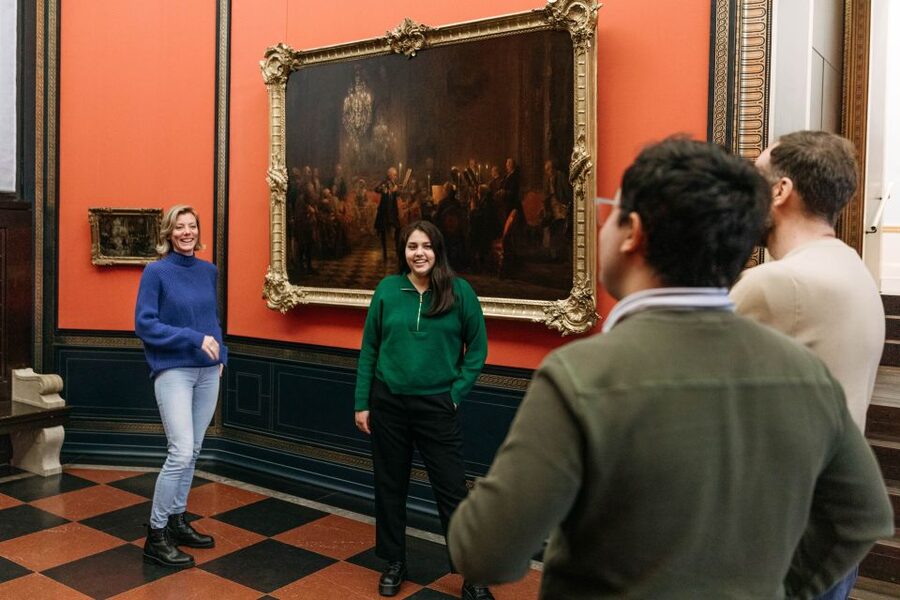
You will see a wide span of styles, not just one “brand” of art. The museum is known for holding works from Classicism, Romanticism, Biedermeier, Impressionism, and early Modernity, so you can compare how artists changed their subjects and their brushwork across decades.
Here is what that feels like in real time: you start with paintings that emphasize structure, clarity, and refined composition. Then you move into Romantic works that lean toward mood, weather, and emotion. As you transition into later 19th century pieces, you start spotting freer handling of light and atmosphere.
Even if your art taste is narrow, the range helps you find your personal lane. You might come for Impressionism and still leave with a new appreciation for Romantic painters, or the reverse. The point is that you can test your preferences without buying a special ticket to a different museum.
Friedrich and Menzel: the masterpieces you should not miss
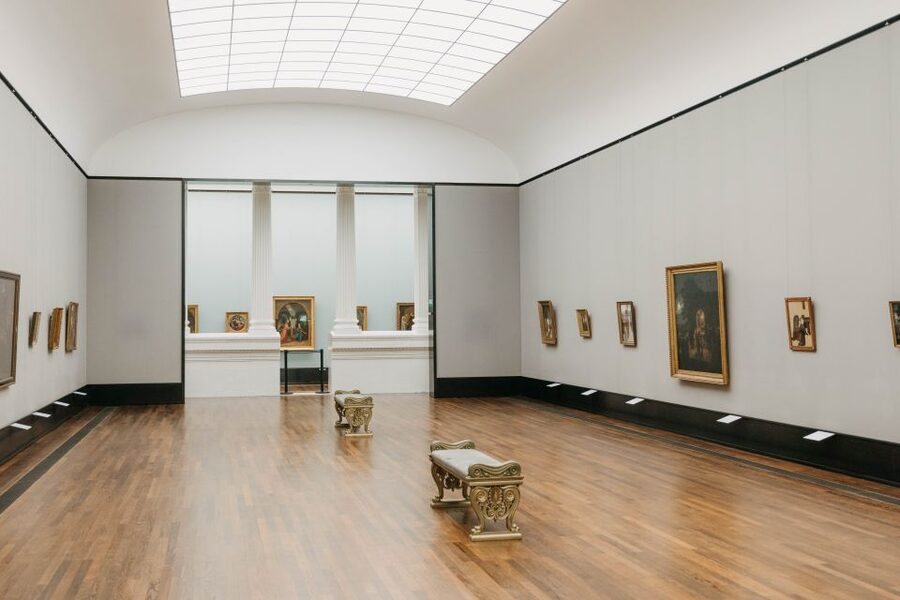
Two works are like magnets in this museum. One is Caspar David Friedrich’s The Monk by the Sea, a Romantic mood-setter that fits the coast, the silence, and that feeling of smallness in front of nature. If you like art that makes you pause, this is the one that does it.
Another big draw is Adolf von Menzel’s Eisenwalzwerk, which is a major industrial-age subject. It can feel surprising at first, because you expect grand landscapes or royal portraits in a 19th century gallery. But Menzel’s work shows that modern life and modern industry were already on the artists’ radar.
You also will want to find the so-called Group of Princesses. Even without being a specialist, you can learn a lot by comparing how artists depict status, clothing, and body language across the collection. It is one of those works that gives you quick context for how 19th century Europe looked at power and identity.
If you want a simple strategy, do this: choose one Romantic anchor (Friedrich), one Modern subject (Menzel), and one “social portrait” moment (the Princesses). That mix keeps the visit balanced.
Romanticism, the era of Goethe, and why the museum feels theatrical
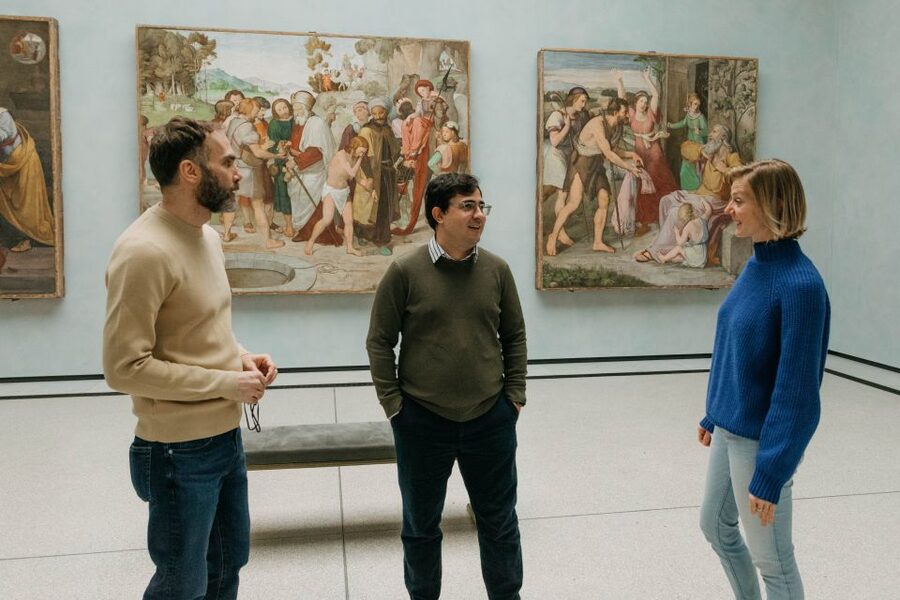
Romanticism here is not just one painting. It’s an atmosphere built by multiple works and the way the museum groups them.
You can see Romantic highlights like The Gothic Cathedral at the Water, which links architecture, water, and that dreamy sense of distance you often see in Romantic art. You also will encounter the time of Goethe through the museum’s presentations of the era.
In my experience, the Romantic rooms make the museum feel almost like theater. The lighting and spacing do not fight the mood of the paintings. They help you take in the work slowly, and that slow pace is where the art clicks.
If you are a fast walker, I recommend you still stop for a few breaths here. This is the part of the visit where rushing ruins the payoff.
Sleeping Beauty and the Count von der Mark tomb
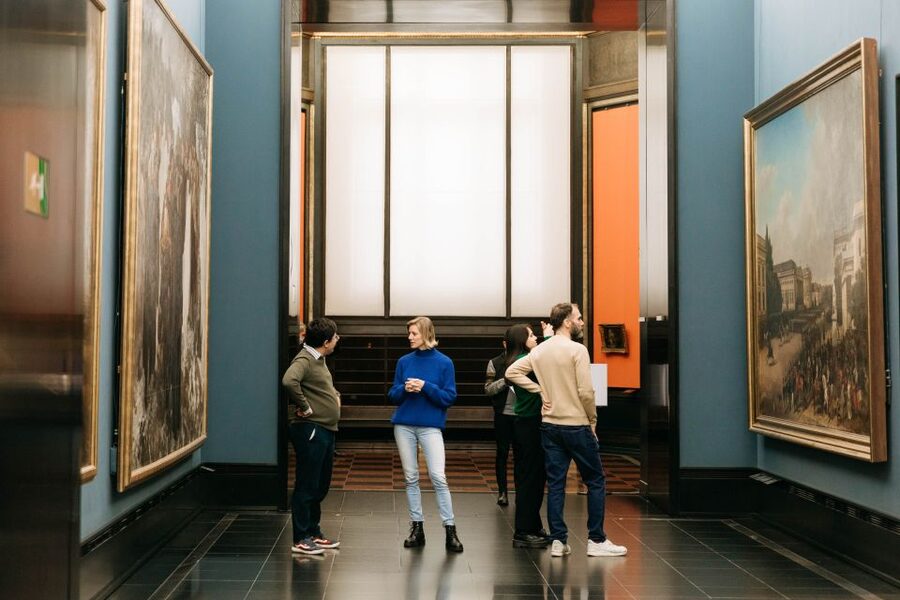
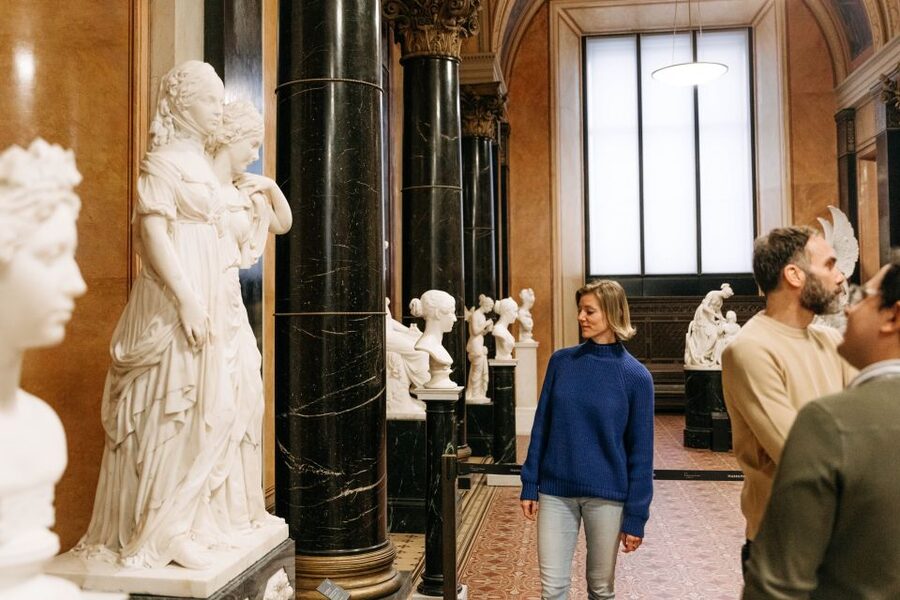
This is not only a painting museum. If you care about sculpture, the breathtaking Sleeping Beauty is a standout. It is the kind of sculpture that pulls your eyes from across the room, because it is about presence and form, not just an image.
Then there is a different kind of power in the museum’s memorial art: the marble tomb for Count Alexander von der Mark from 1790, often described as a shadow memorial.
What I like about including sculpture and tombs in the same overall museum visit is that it broadens your sense of “what counts” as art. The 19th century was not only making paintings. It was building objects that shaped how people remembered, admired, feared, and hoped.
If you are traveling with someone who thinks museums are boring because they only want paintings, this is your best workaround. Sculpture gives you a new entry point fast.
When floors close: how to protect your Impressionist plan
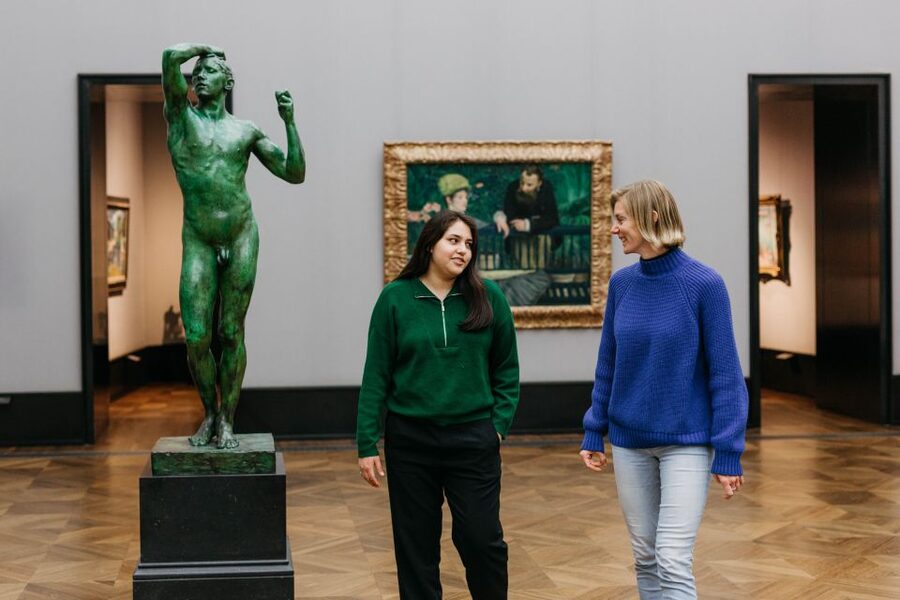
The museum is sometimes affected by closures. One important consideration is that the second floor Impressionist paintings can be closed during certain visits, which can be a disappointment if Impressionism is your main reason for coming.
Even beyond that, another common problem is that an upper level, like the third floor, can be closed. That means your best route might be shorter than expected.
Here is my practical advice: when you arrive, check what is open before you commit your energy to a specific plan. If Impressionist rooms are shut, shift your focus to Romanticism and sculpture. You still get a coherent visit because the collection’s strengths are spread across multiple rooms, not only one area.
Also, do not treat “skipping the ticket line” as a guarantee that everything inside will be available. The entry is smooth, but museum operations happen on the day.
Using the audio guide like a smart local
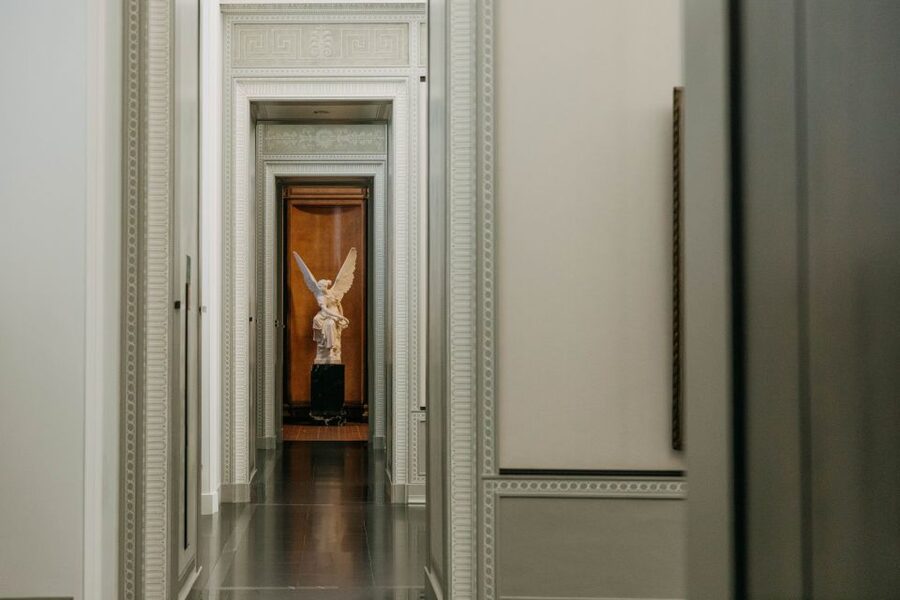
The audio guide is included, so you should actually use it. The value is not that it gives you facts. The value is that it helps you choose where to spend your attention.
A favorite moment in this museum is how the visit can end with a series of self-portraits, described as feeling like movie credits. That means if you follow the guide’s pacing, the museum’s ending can feel satisfying instead of abrupt.
The audio guide also helps you notice supporting details, like the display of exhibition posters for the art shows. Even if you do not read every label, those materials can help you understand how museums frame artists for each era.
My simple tip: don’t try to hear every track. Pick a few key works you care about most, and let the guide support those stops. Then use your own eyes for the rest.
What you can actually expect from your “museum entry” day
Because this is an entry ticket with audio, you can shape the day around your energy. The museum offers exhibition talks and guided tours with themes for children and adults, so if you time it well, you might catch an extra layer of context.
You should also expect a “walk-through” experience rather than a bus-like group tour. That suits people who like to browse. It also works well for travelers who want museum value without a strict hour-by-hour schedule.
The museum building is wheelchair accessible. And in practical visitor terms, there is one restriction you should know: backpacks are not allowed. Plan to travel light, or use a small bag you can manage comfortably.
Who should book this entry ticket
This works best if you want a focused Museum Island taste. You get a museum built around 19th century art, you have major names across painting and sculpture, and you do not need to coordinate multiple tickets.
I especially think it suits:
- Art lovers who like German Romanticism and want to see Friedrich and related works in one place
- Travelers who want French Impressionists like Manet, Monet, and Renoir without hopping across multiple museums
- Visitors who also enjoy sculpture and memorial objects, not only canvases
If you already planned to spend most of a day on Museum Island anyway, this entry can be the easiest “anchor stop.” If you only have time for one museum on the island, it’s a strong single choice because the collection spans multiple styles.
Should you book this Alte Nationalgalerie entry ticket?
If you want an efficient, high-value way to visit Berlin’s most art-rich area, I think you should book it. The skip-the-line entry, the included audio guide, and the fact that you get a coherent tour of multiple art movements make the $14 price feel fair.
Book it if your priority is the museum itself and not a bus-style guided program. It is also a good fit if you like to move at your own pace, stop often, and still cover the major highlights like Friedrich, Menzel, the Group of Princesses, Sleeping Beauty, and the Count von der Mark tomb.
Just go in with one realistic mindset: plan for the possibility of closed rooms on the day, especially if Impressionism is your top target. With that small caution, this is a very solid way to spend a Museum Island morning or afternoon.
FAQ
What is included with this Alte Nationalgalerie ticket?
Your entry ticket includes access to the Alte Nationalgalerie and an audio guide.
How much does the ticket cost?
The price is listed as $14 per person.
How long is the ticket valid?
The activity is valid for 1 day. You should check availability to see starting times.
Where do I meet for the entry?
The meeting point is the Visitor’s Entrance of the Alte Nationalgalerie, Bodestraße, 10178 Berlin.
Are skip-the-line tickets included?
Yes. The activity includes skipping the ticket line.
Is the museum wheelchair accessible?
Yes. The entire building is wheelchair accessible.
Is a backpack allowed inside?
No. Backpacks are not allowed.
Tickets, compared.


Munich Hop-On Hop-Off Tour: 1-Day or 2-Day Ticket
Read our review →