Reviewed · GERMANY
Airbus Flightsimulator | Flying Experience | adults&children
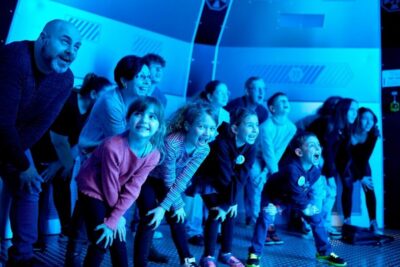
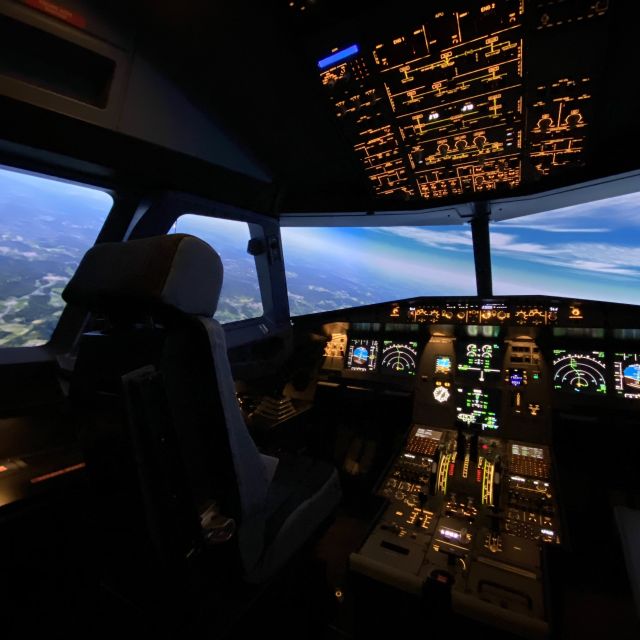
You might feel the cockpit move. This Airbus A320 simulator in Oberhausen Centro nails the real feeling with original cockpit instruments and true soundscapes, so exploring and operating controls feels like you belong in the seat. The one drawback is the time is focused, so you get a single, well-paced flight run rather than hours of training.
You can also choose airports worldwide for takeoff and landing, then fly through weather scenarios and practice emergency situations with an instructor guiding you. For families, that coaching approach matters, including how the program can be handled step by step for younger participants.
In This Review
- Key things to know before you go
- Stepping into an Airbus A320 cockpit at Centro Oberhausen
- The 15-minute briefing that sets your flight up for success
- Takeoff, landings, and cruise: what you actually do in the cockpit
- Choosing airports around the world without leaving Germany
- Weather scenarios that change how you fly
- Emergency situations: learning calm procedures, not panic
- The instructor experience matters as much as the technology
- Duration, flow, and what to expect on the day
- Practical details: parking, finding the lobby, and arriving smoothly
- Price and value for a private group up to four
- Who should book this Airbus A320 simulator
- Should you book Airbus Flight Simulator in Oberhausen?
- FAQ
- How long is the Airbus A320 flight simulator experience?
- Do I get to explore the cockpit and operate controls?
- Does the simulator include different weather and emergency scenarios?
- Where is the meeting point?
- What languages are available for the instructor?
- Is this a private group experience?
Key things to know before you go
- A true-to-A320 cockpit feel with instruments and soundscapes built to match the real aircraft
- Guided operation of the controls, not just watching from the sidelines
- Weather scenarios plus emergency practice, so the flight feels like real decision-making
- Different airports for takeoff and landing, letting you try varied routes and runway vibes
- Private group setup for up to four, a big value boost for families
Stepping into an Airbus A320 cockpit at Centro Oberhausen
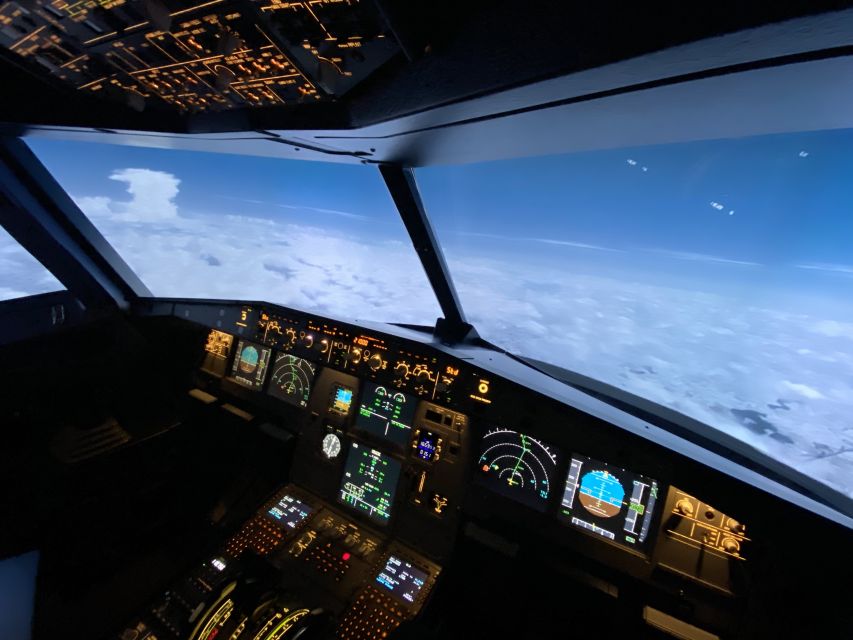
The biggest reason this experience works is simple. You do not just sit in front of screens. You’re in a realistic replica of an Airbus A320 cockpit, with the instruments and the audio atmosphere tuned to feel like the real thing. The result is a strong sense of presence, even if you’re not a pilot.
I like that the simulator’s realism goes beyond visuals. The cockpit has the kind of soundscape you’d expect in an Airbus A320, which matters because your brain uses sound to judge what’s happening next. When you combine that with proper-looking controls, it becomes much easier to understand why pilots rely on checklists and cockpit rhythm.
You should also know what this is not. It’s not a video game. It’s a guided session where you’re learning the basics of handling the aircraft systems, with the instructor keeping you on track. That focus can be a plus for kids and beginners, because you’re not left guessing what to do.
Next departures posted for Oberhausen:
- Oberhausen: SEA LIFE Oberhausen Entry Ticket
★ 4.2 · 470 reviews - Oberhausen: HOUSE OF MAGIC – powered by Ehrlich Brothers
★ 4.3 · 252 reviews - Oberhausen: LEGOLAND Discovery Centre and SEA LIFE Ticket
★ 4.1 · 171 reviews
The 15-minute briefing that sets your flight up for success
Before you fly, you get a briefing of about 15 minutes. That time is short on purpose, but it’s enough to give you the mental framework you need. Expect the instructor to walk you through what matters during your session, and then explain what you’ll be doing during takeoff, cruise, and landing.
This is where the coaching style becomes a key part of the value. One of the best things about this simulator is the way instructors adapt to the group’s starting point. If someone in your group knows aviation terms already, the instructor can work with that. If you’re new, the explanation stays grounded and practical.
For families, this is especially important. If you have a younger teen or child joining, you’ll appreciate that the program can be guided so they are not overwhelmed. The best sessions make every participant feel included in the cockpit work, not like they’re sitting on the bench.
Takeoff, landings, and cruise: what you actually do in the cockpit
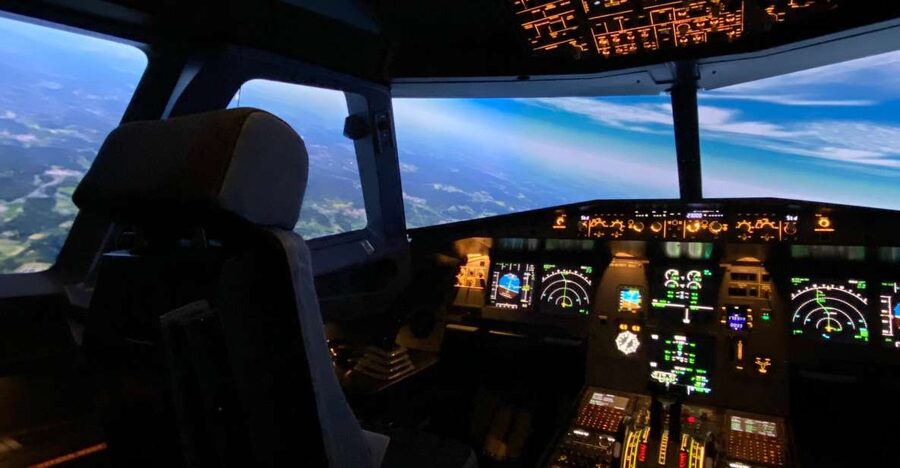
Your active flying time is about 60 minutes, covering takeoff, landings, and cruise. That structure is smart. It mirrors the flow of a real flight: power and configuration early, stabilization and monitoring in the middle, then the attention-heavy approach and touchdown.
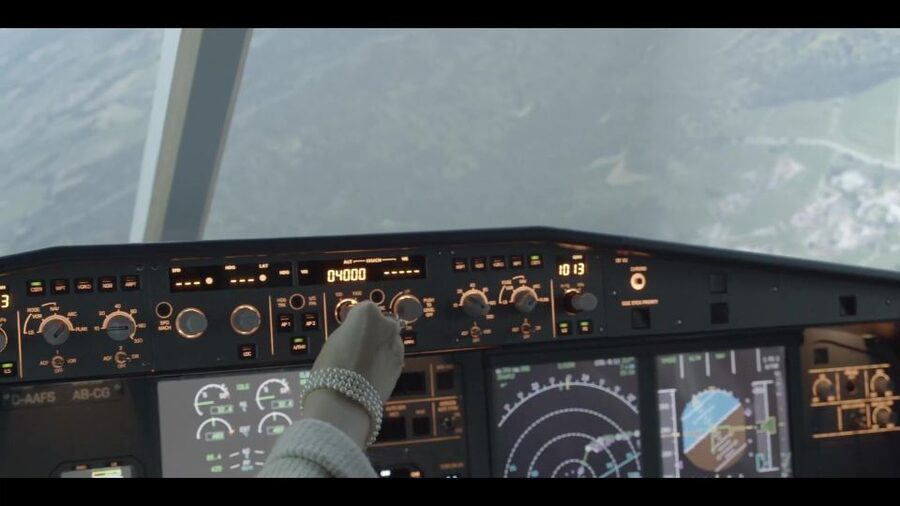
What you’ll do in practice is explore the cockpit first, then operate the plane’s various controls. That hands-on element is the difference between reading about aviation and feeling it. You learn what it means to respond to cockpit cues rather than just watching a screen.
Landings and takeoff are usually the moments people remember. They demand quick coordination: setting things up, keeping an eye on instruments, and making sure your approach to the runway matches what you’re trying to achieve. Even in a simulator, those steps feel weighty.
One consideration: because this is one focused session, you might not master everything. You’ll learn the core flow and what to pay attention to, but this isn’t a long course where you repeat the same approach twenty times.
Choosing airports around the world without leaving Germany
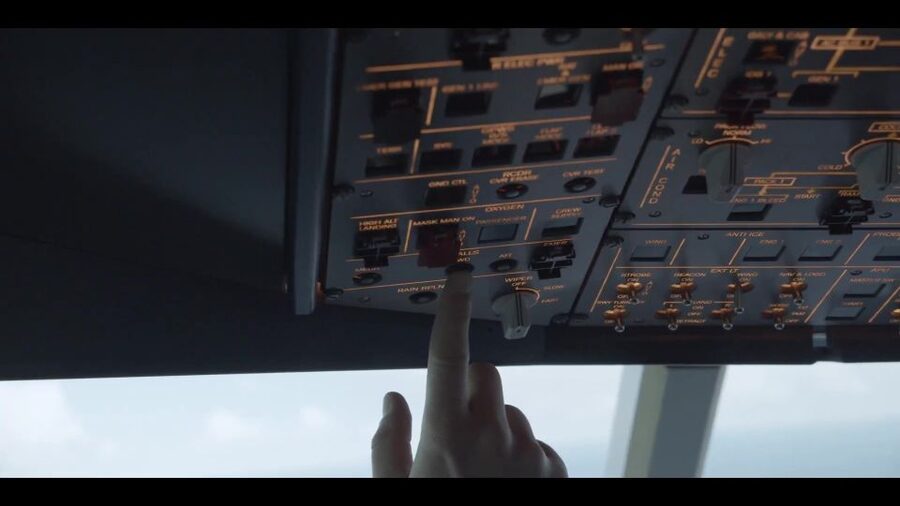
A fun twist here is that you can start and land from different airports around the world. That gives you variety without needing a passport stamp. You’ll experience how airport environments change what you focus on, and it also helps break up the flight so it doesn’t feel repetitive.
Even if you’re staying local to Oberhausen, the airport selection can help you think like a pilot planning options. Which runway are you aiming for? What kind of departure or arrival scenario are you stepping into? The simulator’s design nudges you to treat the session like a mini mission rather than a single loop.
In practical terms, this is also a way to make the experience more personal. If your group has a connection to a specific route, or you simply want a certain kind of flying, the airport choices help tailor the session. In one example from a real flight experience, a route planning approach from Cologne to Düsseldorf showed how the instructor can match your session to your flight idea.
Weather scenarios that change how you fly
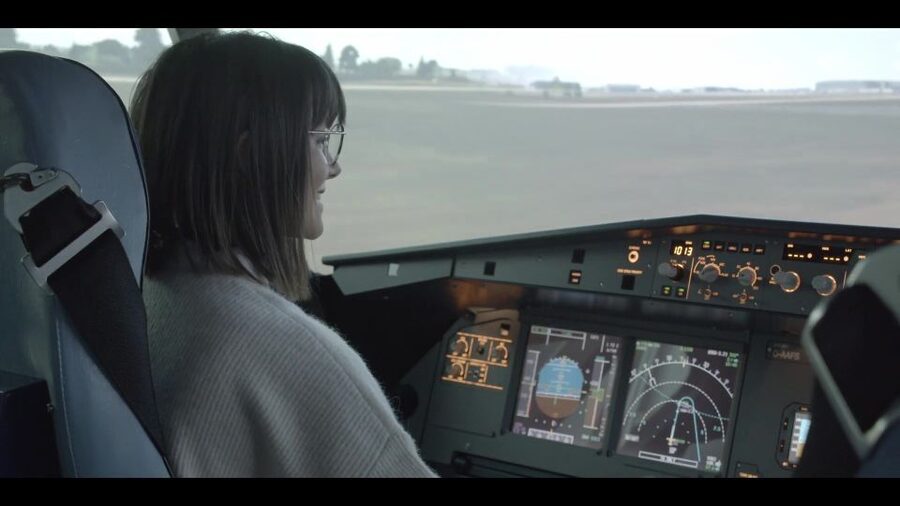
Weather is where this simulator stops being “just controls” and becomes problem-solving. You’ll fly through different weather scenarios, and the simulator helps you practice working through changing conditions.
What you’ll learn is not a single weather trick. It’s how weather affects your pace, your attention, and your decision-making. In real aviation, conditions influence everything from how you set up an approach to how you manage margins. The simulator’s realism encourages you to slow down mentally and follow a logic chain rather than rushing.
This kind of practice is also great for families, because kids tend to grasp weather effects fast. One moment you’re cruising, the next you’re dealing with a scenario that demands more caution. That makes the flight feel alive.
Onward connections from Oberhausen:



Emergency situations: learning calm procedures, not panic
The simulator experience includes emergency situations. This is one of the most valuable parts for beginners, because it teaches you how preparedness feels.
In a typical flight, emergencies rarely happen, but what matters is response style: identify the issue, follow a procedure, and work your way through the problem step by step. In this simulator, the instructor helps you handle unforeseen situations so you are not thrown into chaos with no guidance.
For many people, the most reassuring part is the instructor presence during these moments. You’re learning in a safe environment, and you can focus on the procedure and cockpit scan rather than worrying about real-world risk.
A drawback to keep in mind: emergency practice still happens in one session. That means you might only touch a few key steps. You’ll walk away with a clear sense of how pilots think under pressure, but you won’t leave with advanced emergency mastery.
The instructor experience matters as much as the technology
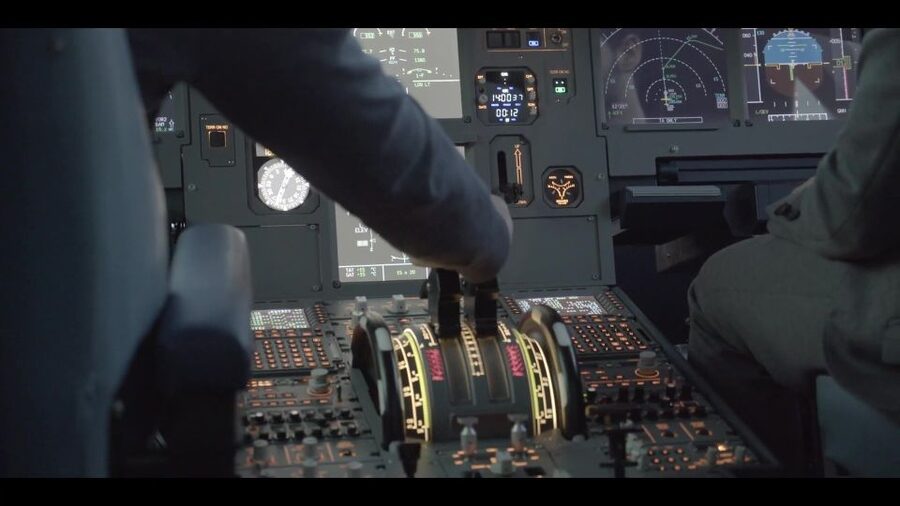
The technology is excellent, but the human piece is what turns the simulator into a true learning moment. The instructor guides flight preparation and then guides you during the flight itself, which keeps you from feeling lost when the aircraft systems get complex.
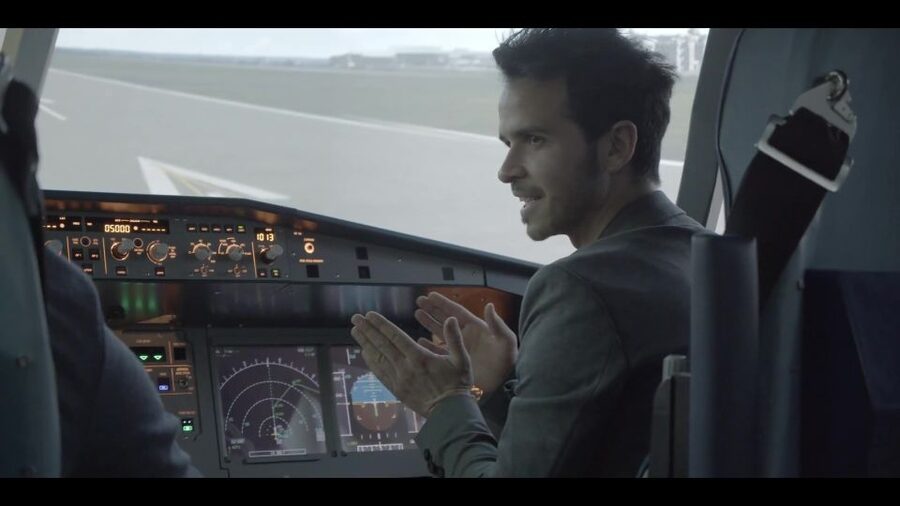
I especially appreciate the balance between technical and friendly instruction. One flight experience highlighted how a professional pilot adjusted to the participant’s knowledge level, planned the route in advance, and coached them with both competence and empathy. That combination is what makes this feel welcoming for adults and kids.
If your goal is confidence, a guided session like this is hard to beat. You can ask questions while you’re in the cockpit flow, and the instructor can correct you before a bad habit forms.
Duration, flow, and what to expect on the day
The experience is scheduled for 30 minutes to 1 hour, with key parts inside it. You should plan around a briefing of about 15 minutes, plus roughly 60 minutes of flying time that includes takeoff, landings, and cruise. There is also a debriefing at the end.
That timing mix is why it’s best to treat this as a dedicated activity, not a quick stop you fit between coffee errands. Even if the booking says about an hour, the real rhythm includes prep, flight, and wrap-up.
Also note that private group sessions are part of the setup. That’s great for families, friends, and small groups who want everyone to participate. It also helps the instructor tailor the pace.
Practical details: parking, finding the lobby, and arriving smoothly
This is in Oberhausen Centro, and you’ll want to arrive with a little time to spare so you can get settled.
Parking is free in unmarked spaces, and there are additional parking options around the corner under the bridge. When you enter the lobby area, the lobby is on the first floor, left up the stairs.
If the door is locked, ring the bell at FLIGHTHOUR. It’s one of those tiny details that prevents stress on arrival, especially with kids in tow.
What to bring is simple. Bring yourself, and wear whatever makes you comfortable for sitting in the cockpit simulator chair for the session length. If your group is flying in different languages, you can choose German or English with the instructor.
Price and value for a private group up to four
The price is listed as $117 per group up to 4, which is a big deal for family-friendly value. When you price simulator experiences by the seat, costs often climb quickly. Here, you’re essentially paying for a group session, not per person.
That means the value gets better as your group size increases, especially with adults and children. If it’s you plus two kids, the per-person cost can feel manageable compared with many attractions that charge per individual.
You do not just buy time in a cockpit. You get a guided briefing, an instructor-led flight with takeoff, cruise, and landing, plus debriefing. You also get the learning arc of weather scenarios and emergency handling. That’s what makes the session feel purposeful, not like a novelty ride.
One note: recordings are not included. If capturing the experience is important to you, plan ahead and ask what options exist before your session.
Who should book this Airbus A320 simulator
This experience is a great match if you want hands-on aviation learning in a comfortable, short format. It’s especially good for beginners, because you get guided instruction and real cockpit context.
It’s also a strong choice for families. Kids and teens often enjoy the cockpit role and the story-like flow of weather and emergencies. The key is that the instructor adjusts how they explain things, so younger participants can stay engaged rather than confused.
For aviation fans, this is a way to get the “what it feels like” part without needing flight time on an actual aircraft. You’ll explore the cockpit, operate controls, and practice realistic scenarios like you’re part of the crew for an hour.
Should you book Airbus Flight Simulator in Oberhausen?
If you want a realistic, instructor-led Airbus A320 experience, I’d say yes, and I’d book it with purpose. This is not just entertainment. The combination of cockpit realism, guided controls, weather scenarios, and emergency practice makes it feel like a mini training session.
Book it if:
- You’re traveling with adults and children and want everyone involved
- You value real cockpit systems and guided learning over passive viewing
- You like the idea of trying different airports without logistics headaches
Skip it if:
- You’re looking for long-term pilot training or repeated practice sessions
- You’re only interested in a quick thrill and do not want to actively participate
Overall, the best part is the balance. The simulator feels authentic, but the instructor keeps it human. That’s why this kind of experience tends to leave people excited and also a bit more confident about how pilots actually think.
FAQ
How long is the Airbus A320 flight simulator experience?
The experience is listed as 30 minutes to 1 hour. It includes a briefing of about 15 minutes and about 60 minutes of flying time, covering takeoff, landings, and cruise.
Do I get to explore the cockpit and operate controls?
Yes. You will explore the cockpit and can operate the various controls of the plane during the experience.
Does the simulator include different weather and emergency scenarios?
Yes. The flight experience includes different weather scenarios and emergency situations.
Where is the meeting point?
You’ll meet at Oberhausen Centro. Free parking is available nearby, and the lobby is on the first floor, left up the stairs. If the door is locked, ring the bell at FLIGHTHOUR.
What languages are available for the instructor?
The instructor is available in German and English.
Is this a private group experience?
Yes. It is offered as a private group, and it is also wheelchair accessible.